Why each one lands as a gift
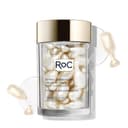
RoC Retinol Correxion Night Serum Capsules
The best thing under $25 to put someone’s name on. Thirty airtight, single-dose capsules solve the two problems a first retinol has — how much to use, and the product oxidizing in a half-open bottle — and the jar looks considered in a way nothing else at this price does. RoC has been formulating retinol for decades, so the brand carries some reassurance on its own. What to check before buying: the strength is not published, and thirty capsules is a month at nightly use; for a beginner using it two or three nights a week it lasts closer to three.
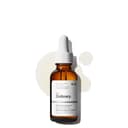
The Ordinary Retinol 0.2% in Squalane
The most useful stocking stuffer on the site, and the one we would give a genuine beginner. A stated 0.2% — a real starter strength, printed on the box — in a squalane oil base that softens the early dryness, fragrance-free, for a few dollars. The number is the gift: the recipient knows exactly what they are starting on and can step up to the brand’s 0.5% and 1% later. What to check: it is a plain dropper bottle with no buffering actives and no instructions to speak of, so put the three-line note on the card and add a moisturizer if they do not own one.
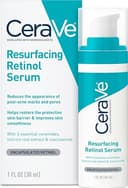
CeraVe Resurfacing Retinol Serum
The pick for a recipient whose skin is on the sensitive side, or who mainly wants help with the flat marks old breakouts leave. Encapsulated for a gentler release, fragrance-free, and buffered with ceramides and niacinamide from a brand with a strong barrier-formulation record — it is one of the least expensive “real” retinol serums you can buy and one of the most forgiving. What to check: strength not published; it is marketed for marks and texture rather than deep lines, so set expectations accordingly. Do not confuse it with CeraVe’s Skin Renewing serum, which is a different product for a different job.
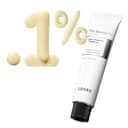
COSRX Retinol 0.1% Cream
The gentlest labeled strength on the page and the right gift for someone cautious. A stated 0.1% — one of the lowest printed numbers you can buy — in a light cream, from a K-beauty brand that sells a 0.3% alongside it so stepping up is a known quantity. The small tube suits careful use around the eyes and neck. What to check: it is a 20 ml tube, so it is small for treating the whole face at this price, and an experienced user will outgrow 0.1% quickly. For a first-timer that is the point.
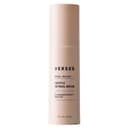
Versed Press Restart Gentle Encapsulated Retinol Serum
The pick when the recipient has said “retinol scares me.” The encapsulation is stated on the listing rather than implied by adjectives, there is bakuchiol alongside the retinol for a softer on-ramp, and the texture is light. It is also from a brand with pleasant, giftable packaging for the price. What to check: strength not published, and bakuchiol’s evidence base is much thinner than retinol’s — treat it as tolerability, not potency.
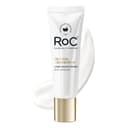
RoC Retinol Correxion Under Eye Cream
The eye-area stocking stuffer. Dosed for the thinnest skin on the face, from the same brand as the capsules (so the two make a set), and inexpensive enough to pair with any other pick here. What to check: it contains fragrance and the strength is not published; a patch-test at the outer corner before nightly use is worth suggesting.
How to choose between them
Want it to look like a present? The RoC capsules. Giving to a true beginner? The Ordinary 0.2% or the COSRX 0.1% — both print a low number, and that is the safest thing you can hand someone. Sensitive skin, or post-acne marks? CeraVe. Nervous recipient? Versed. Adding to another gift? The eye cream. The one to skip for a beginner is the brand’s 0.5% and 1% siblings of The Ordinary pick: same price, same bottle, and a real dose that a first-time user should not start on. Our drugstore roundup ranks this whole tier from the user’s side.
What we would not give at this price
The unbranded multi-piece “anti-aging kit.” Four or six pieces for the price of one good serum is the tell: the retinol content is unstated and the rest is filler. One labeled product beats six mysteries.
A stated 1%, even though several cost under $25. The price makes it tempting; the strength makes it a fortnight of flaking for anyone without tolerance. Give the 0.2%.
A retinol for someone pregnant or breastfeeding. Retinoids are avoided in both. Our alternatives page has substitutes at the same price that make a better gift.
How to give it well
The card matters more at this tier than at any other, because the packaging says nothing. Three lines: at night, on dry skin; two nights a week to start; sunscreen every morning. If there is room in the budget, the single most useful add-on is a plain fragrance-free moisturizer — applying it over the retinol is what keeps a first bottle in use past week two. Our beginner guide is the page to point them at if they want more than three lines.
What to put in the parcel with it
Neither is a retinol, and both sit inside the same budget. The cream is the buffering layer that keeps a first retinoid comfortable; the roller is cold relief for the nights it stings. Together they turn a plain dropper bottle into a complete, sensible starter kit.
The sandwich layer
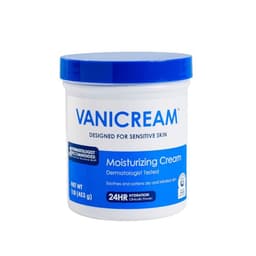
Vanicream Moisturizing Cream, 16 oz tub
The dull, no-actives cream the sandwich method asks for — the listing's own pitch is that it is formulated without common irritants, which is the whole specification here. The tub size is the point: buffering only works if you are generous with it.
For the nights it stings
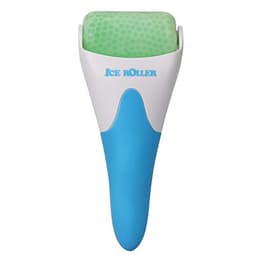
ESARORA Ice Roller for Face & Eye
Cold is the cheapest way to take the heat out of a tight, red retinol night, and it adds nothing to your face to react to. Freeze it, roll it over the flushed areas for a minute, then leave the skin alone — it is comfort, not treatment, and on a bad week that is the thing that stops people quitting.
None of these are retinols — they are the supporting products this page already recommends, listed so you can act on the advice. Product images supplied by Amazon; prices are live and dated on each button.