Retinol Room.

Best Retinol for Dark Skin

Retinol works the same in every skin tone. What changes in richly pigmented skin is the cost of irritating it — a flare can leave a mark that outlasts whatever you were treating. The picks ranked on how hard they are to overdo.

By Stephen V.Last updated How we pick

Start with the thing the internet keeps getting wrong: there is no evidence that darker skin cannot tolerate retinoids. A review of topical retinoids in pigmented skin puts it plainly — they are in general well tolerated, and there is little evidence that patients with darker skin are at increased risk of irritation. The molecule does not behave differently by skin tone.

What is different is the consequence of a bad week. The same review notes that retinoid dermatitis can itself induce post-inflammatory hyperpigmentation — the flat brown or gray marks left behind after skin has been inflamed. In richly pigmented skin those marks arrive more readily and last longer, which means a retinoid can hand you the exact problem you bought it to fix. That is not a reason to avoid retinol. It is a reason to rank the products differently.

So this page does not rank on potency. It ranks on four things, in this order: how hard the formula is to overdo (a stated low strength, encapsulated delivery, or a buffered base); whether the base contributes to tone itself rather than just carrying the active; whether the listing confirms it is fragrance-free, since the AAD tells people with dark spots to choose fragrance-free or sensitive-skin products and to stop anything that burns or stings; and whether the product actually matches the cause of your marks, which for a great many people is acne rather than aging.

We have not tested any of these on skin — we own no units and say so on our methodology page. The ranking is reasoned from published formulas, stated strengths and what the dermatology literature says about treating pigmentation, and every claim below is traceable to the sources at the foot of the page.

How this is funded: we earn a commission if you buy through our links, at no extra cost to you. It never changes which product we recommend, and we’ll tell you when we’d skip one. Full disclosure.

Quick picks

Ranked on formulation, stated concentration and buyer fit. Select a row to jump to the full write-up. We have not tested these products — here is exactly what we do instead.

#ProductBest forPrice
1
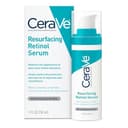
CeraVe Resurfacing Retinol Serum

CeraVe Resurfacing Retinol Serum

Encapsulated retinol with ceramides and licorice root, aimed squarely at post-acne marks and texture rather than deep wrinkles. Gentle, barrier-friendly and cheap — but the strength is unstated, so set expectations by what it's for.

Best overall
$16.49 · View on Amazon

$21.9925% off

Price as of August 27, 2026. #ad How we’re funded

2
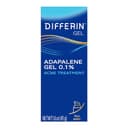
Differin Adapalene Gel 0.1% Acne Treatment (45 g pump)

Differin Adapalene Gel 0.1% Acne Treatment (45 g pump)

The only prescription-grade retinoid you can buy off the shelf, at a stated 0.1% adapalene. If your reason for wanting retinol is acne rather than lines, this is very likely the more appropriate product — and it is regulated as a drug, with the trial evidence that implies.

Best when acne is the cause
$23.97 · View on Amazon

Price as of August 27, 2026. #ad How we’re funded

3
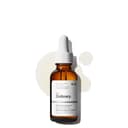
The Ordinary Retinol 0.2% in Squalane

The Ordinary Retinol 0.2% in Squalane

The gentlest true-retinol starting point on the shelf: a stated 0.2% in the same cushioning squalane base. If you have never used a retinoid, this is where to begin before touching anything stronger.

Best stated starter strength
$8.10 · View on Amazon

Price as of August 27, 2026. #ad How we’re funded

4
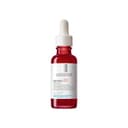
La Roche-Posay Pure Retinol Face Serum (B3 + HA)

La Roche-Posay Pure Retinol Face Serum (B3 + HA)

Pairs pure retinol with niacinamide and hyaluronic acid, so the buffering that reduces flaking is built into the formula rather than something you layer yourself. The gentlest 'serious' retinol here — for skin that dries out on plainer options.

Best buffered formula
$44.99 · View on Amazon

Price as of August 27, 2026. #ad How we’re funded

5
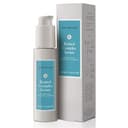
Naturium Retinol Complex Serum

Naturium Retinol Complex Serum

Blends encapsulated retinol with bakuchiol, a plant extract with retinol-adjacent research, to soften the ramp-up. A reasonable gentle middle option — with an unstated retinol dose you're taking on trust.

Gentlest daily serum
$14.69 · View on Amazon

$20.9930% off

Price as of August 27, 2026. #ad How we’re funded

6
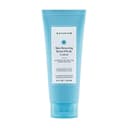
Naturium Skin-Renewing Retinol Body Lotion

Naturium Skin-Renewing Retinol Body Lotion

The sensible middle of this category: a shea-butter body lotion with retinol in it, in a size you can actually use on arms and legs, at a price that does not make you ration it. If you want one bottle that moisturizes properly and treats quietly, this is the shape that makes sense.

Best for marks below the jaw
$25.99 · View on Amazon

Price as of August 27, 2026. #ad How we’re funded

The picks in full

#1Best overall

CeraVe Resurfacing Retinol Serum

Encapsulated retinol with ceramides and licorice root, aimed squarely at post-acne marks and texture rather than deep wrinkles. Gentle, barrier-friendly and cheap — but the strength is unstated, so set expectations by what it's for.

Strengths

  • Ceramides + niacinamide support the barrier while the retinol works
  • Encapsulated delivery is gentler on reactive skin
  • One of the least expensive 'real' retinol serums

Trade-offs

  • Concentration is not published
  • Marketed for marks, not deep wrinkles — set expectations accordingly
Key activeEncapsulated retinol
Stated concentrationNot published
FormatFluid lotion-serum
Fragrance-freeYes
Best forAcne-prone, Normal, Sensitive

Formulation note. Encapsulated retinol + 3 essential ceramides + niacinamide + licorice root extract. The ceramide payload is why it stays tolerable; the retinol strength is not disclosed.

Ingredients and claims read from the product listing, on July 18, 2026. “Not published” means the brand does not state that figure.

#2Best when acne is the cause

Differin Adapalene Gel 0.1% Acne Treatment (45 g pump)

The only prescription-grade retinoid you can buy off the shelf, at a stated 0.1% adapalene. If your reason for wanting retinol is acne rather than lines, this is very likely the more appropriate product — and it is regulated as a drug, with the trial evidence that implies.

Strengths

  • States an exact 0.1% adapalene — a regulated over-the-counter drug, not a cosmetic
  • Backed by randomized trials against tretinoin, with comparable efficacy and better tolerability
  • 45 g pump lasts a long time at a pea-sized nightly dose

Trade-offs

  • It is an acne treatment first — the anti-aging evidence base belongs to other retinoids
  • Expect a genuine adjustment period of dryness and peeling in the first weeks
  • Not the right tool if your only concern is fine lines
Key activeAdapalene (a third-generation retinoid)
Stated concentration0.1%
FormatGel
Fragrance-freeNot published
Best forAcne-prone, Oily, Normal

Formulation note. Adapalene is a synthetic retinoid that binds retinoic acid receptors directly, so unlike retinol it needs no conversion in the skin. It is sold in the US as an over-the-counter acne drug at 0.1%, which is why the strength is on the box — drug labeling requires it.

Ingredients and claims read from the product listing, on August 11, 2026. “Not published” means the brand does not state that figure.

#3Best stated starter strength

The Ordinary Retinol 0.2% in Squalane

The gentlest true-retinol starting point on the shelf: a stated 0.2% in the same cushioning squalane base. If you have never used a retinoid, this is where to begin before touching anything stronger.

Strengths

  • Stated 0.2% — a genuine beginner strength, plainly labeled
  • Squalane base softens the early dryness
  • About as cheap as effective retinol gets

Trade-offs

  • Too gentle to be anyone's long-term destination — you'll want to step up
  • Still pure retinol, so introduce it slowly regardless of the low number
Key activeRetinol
Stated concentration0.2%
FormatLightweight oil serum
Fragrance-freeYes
Best forSensitive, Beginner, Normal

Formulation note. 0.2% pure retinol in squalane — the entry rung of The Ordinary's three-strength ladder. Starting here and moving to 0.5% only once nightly use is comfortable is the textbook way to build tolerance.

Ingredients and claims read from the product listing, on July 18, 2026. “Not published” means the brand does not state that figure.

#4Best buffered formula

La Roche-Posay Pure Retinol Face Serum (B3 + HA)

Pairs pure retinol with niacinamide and hyaluronic acid, so the buffering that reduces flaking is built into the formula rather than something you layer yourself. The gentlest 'serious' retinol here — for skin that dries out on plainer options.

Strengths

  • Niacinamide + glycerin + hyaluronic acid buffer the retinol's dryness
  • Fragrance-free, from a brand built around reactive skin
  • Well-tolerated texture that layers cleanly under moisturizer

Trade-offs

  • Does NOT publish the retinol percentage — you're trusting the brand
  • Among the pricier options for an unstated strength
Key activeRetinol
Stated concentrationNot published
FormatSilky lotion-serum
Fragrance-freeYes
Best forSensitive, Dry, Normal

Formulation note. Pure retinol + niacinamide (vitamin B3) + hyaluronic acid. The support actives are the selling point; the retinol strength itself is not disclosed, which we flag rather than guess.

Ingredients and claims read from the product listing, on July 18, 2026. “Not published” means the brand does not state that figure.

#5Gentlest daily serum

Naturium Retinol Complex Serum

Blends encapsulated retinol with bakuchiol, a plant extract with retinol-adjacent research, to soften the ramp-up. A reasonable gentle middle option — with an unstated retinol dose you're taking on trust.

Strengths

  • Bakuchiol pairing aims to reduce early irritation
  • Encapsulated retinols for a slower release
  • Inexpensive for the category

Trade-offs

  • Retinol percentage is not published
  • Bakuchiol's evidence base is smaller than retinol's — treat it as support, not a replacement
Key activeRetinol + bakuchiol
Stated concentrationNot published
FormatLightweight serum
Fragrance-freeYes
Best forNormal, Combination, Cautious beginners

Formulation note. Encapsulated retinols + bakuchiol. Bakuchiol has a few supportive studies but a fraction of retinol's evidence; we present it as an adjunct, not an equal.

Ingredients and claims read from the product listing, on July 18, 2026. “Not published” means the brand does not state that figure.

#6Best for marks below the jaw

Naturium Skin-Renewing Retinol Body Lotion

The sensible middle of this category: a shea-butter body lotion with retinol in it, in a size you can actually use on arms and legs, at a price that does not make you ration it. If you want one bottle that moisturizes properly and treats quietly, this is the shape that makes sense.

Strengths

  • Shea butter base means it works as a real moisturizer, not just a carrier
  • 8 oz is enough to cover arms and legs regularly
  • Mid-range price per ounce for a treatment lotion

Trade-offs

  • Retinol strength is not published
  • Stock has been thinner than the rest of this list — check availability before you plan around it
Key activeRetinol (+ shea butter)
Stated concentrationNot published
FormatRich body lotion
Fragrance-freeNot published
Best forDry, Normal

Formulation note. Retinol in a shea-butter body lotion base, per the listing. The emollient base is the reason it doubles as your moisturizer; the retinol figure is undisclosed, as it is across this whole category.

Ingredients and claims read from the product listing, on August 11, 2026. “Not published” means the brand does not state that figure.

How we ranked these

Every other roundup on this site opens by asking whether the brand publishes a strength. That question still matters here, but it is no longer the first one. On skin that scars its own inflammation into pigment, the first question is how easy the product is to get wrong.

  • Low ceiling, not high ceiling. A stated 0.2%, an encapsulated retinol, or a formula buffered with niacinamide and humectants. Encapsulation holds the retinol in a carrier that releases it more gradually, which tends to lower irritation for a given amount of active — exactly the trade this reader wants.
  • A base that does pigment work of its own. Niacinamide and licorice root both appear in the dermatology literature on treating post-inflammatory hyperpigmentation, so a formula carrying them is contributing twice rather than once.
  • Fragrance-free where the listing confirms it. Fragrance is a leading cause of allergic contact dermatitis, and a delayed reaction to it is indistinguishable from ordinary retinoid adjustment — you cannot tell which one you are treating. Our fragrance-free roundup applies that as a hard filter across the whole shelf.
  • The right tool for the actual cause. If breakouts are producing the marks, a cosmetic retinol is the second-best answer and we say so below.

One pick breaks the pattern on purpose. La Roche-Posay’s serum is the most expensive thing on this page and does not publish its strength, which normally counts heavily against a product here. It earns its place because niacinamide and hyaluronic acid are formulated in rather than layered on, and for skin where a flare is expensive, buying the buffering pre-built is a defensible reason to pay more.

Treat the cause before you treat the mark

This is the single most useful thing on the page, and it is not a product recommendation. A 2022 clinical review of retinoids in skin of color makes the sequence explicit: acne is a common cause of post-inflammatory hyperpigmentation, the pigmentation is often more distressing to patients than the acne was, and treatment should start as early as possible. An earlier review of the epidemiology says the same in different words — treatment begins with management of the initial inflammatory condition.

In practice that means if you are still breaking out, fading the old marks while new spots keep appearing is a treadmill. The AAD names adapalene gel 0.1% for acne in darker skin tones and notes the FDA approved it for sale without a prescription, adding that a retinoid can also prevent new breakouts. That is why the Differin gel sits second on this list rather than in a footnote: for acne-driven marks it is the product with the drug-grade evidence, at a strength printed on the box. Our full review covers what the adjustment period actually looks like.

Expect the two problems to resolve on different clocks. The same 2022 review warns that primary acne lesions are likely to improve weeks before the pigmentation does, which is where most people wrongly conclude the treatment has stopped working.

What else in the formula is doing pigment work

Retinol fades marks indirectly, by clearing pigment-laden cells faster than they would shed on their own. It does not switch off the process that laid the pigment down. The review of treatment options in skin of color lists retinoids alongside a long bench of other topical agents — niacinamide and azelaic acid among them — with photoprotection as first-line throughout.

  • Niacinamide. The most useful supporting active in this category, and the reason two picks here are on the list at all. It appears in the pigmentation literature in its own right and it supports the barrier while the retinoid works.
  • Licorice root extract. A tone-directed botanical the same review groups with the topical lightening agents. CeraVe’s serum carries it alongside the encapsulated retinol.
  • Azelaic acid. Not in any pick here, because we stock no azelaic product, but a genuine option for marks and a reasonable thing to alternate nights with — our comparison of the two sets out where each one earns its place.

What none of these is: a bleach. Retinol does not lighten your natural skin tone. It fades the excess pigment sitting in a mark, which is a different thing, and any product sold on the first promise should be treated with suspicion.

Sunscreen, and why tinted is the better buy here

Photoprotection is first-line in every review cited on this page, and it is the half of the routine people skip. For dark spots specifically the AAD recommends a tinted sunscreen containing iron oxide, at SPF 30 or higher, broad spectrum and water resistant. The tint is not cosmetic packaging. Visible light — the 400 to 700 nm band that makes up roughly 45% of solar radiation — contributes to skin darkening and to worsening dyschromias, particularly in Fitzpatrick phototypes III and higher, and ordinary sunscreens provide limited protection against it. In one study, two iron-oxide formulations significantly protected against visible-light-induced pigmentation in Fitzpatrick IV skin, where a non-tinted mineral SPF 50+ sunscreen did not.

Read that study for what it is: a small comparison of foundation-format products, not a verdict on every tinted sunscreen on the shelf. It is enough to make “pick the tinted one” the better default for this reader, which is what the AAD already recommends.

Retinol raises sun sensitivity on top of that, so the two arguments stack. Our retinol and sunscreen guide covers how much product actually counts as a dose, which is where most routines quietly fail.

A slower ramp is the whole strategy

If irritation is the mechanism that creates the marks, then avoiding irritation is the treatment plan — not an optional refinement of it. The pigmented-skin review recommends modifying the regimen to reduce retinoid dermatitis rather than pushing through it, and the 2022 review notes that novel formulations or commonly recommended moisturizers may help reduce irritation.

  1. Two nights a week for the first month. Not three, and not alternate nights. Our frequency guide has the full schedule; on this page, hold each step an extra week before you move up.
  2. Sandwich it from night one. Moisturizer, retinoid, moisturizer. Our sandwich method guide has the technique. Treat it as the default here rather than a rescue you deploy once flaking starts — by then the inflammation that leaves marks has already happened.
  3. Stop anything that burns or stings. This is the AAD’s own instruction for people treating dark spots, and it is worth taking literally. Tingling that settles in a minute is one thing; a product that stings every time is telling you something.
  4. Do not scrub. The AAD is blunt that scrubbing and strong soaps worsen acne, and a facial scrub layered onto a retinoid routine is simply more inflammation. A mild cleanser applied with your fingertips is the whole instruction.
  5. Change one thing at a time. A new acid, a new retinoid and a new cleanser in the same fortnight leaves you unable to identify which one caused a reaction — and each reaction is a potential mark.

Our beginner’s guide covers the general version of this ramp. The version above is the same ramp with the margins widened.

How long fading actually takes

Longer than any product page will tell you. The AAD’s guidance on fading dark spots in darker skin tones puts a spot a few shades darker than your natural skin color at six to twelve months to fade, and says deeper discoloration can take years. That is the honest number to plan around, and it is roughly four times the horizon people expect when they buy a serum.

Two consequences. First, judge a product on whether you can keep using it, not on what it does in three weeks — a formula you tolerate nightly beats a stronger one you abandon in February. Second, protect the result: the pigment comes back if the sun or the breakouts do. Our dark spots page covers the mechanism and the morning half of the routine in more detail.

What we left out, and when to see a dermatologist

High-strength retinols. A stated 1% is a fine product and the wrong product here. The whole argument of this page is that irritation is expensive, and the top of the ladder is where irritation lives. Our high-strength roundup is there once nightly use at a mid strength is genuinely comfortable.

Fragranced formulas where a fragrance-free equivalent exists. Same reasoning as the criteria above. Two of the picks here have listings that do not state fragrance status either way, and the spec table prints “Not published” rather than guessing — that is a real limitation of shopping this category, not an oversight.

Hydroquinone and prescription lightening kits. They appear throughout the literature on this subject and none of them belongs on a shelf you self-select from. That is a dermatologist’s call.

And two cases where a page like this one is not the right stop. Melasma is a deeper, often hormonal pigmentation that behaves differently and can worsen with aggressive treatment — our melasma page explains why. If you are keloid-prone, or your marks are raised rather than flat, that is scarring rather than pigmentation and needs a clinician rather than a serum. This page is general information, not medical advice.
Frequently asked questions

Is retinol safe for dark skin?

Yes. A review of topical retinoids in pigmented skin found they are generally well tolerated and that there is little evidence darker skin is at increased risk of irritation. The caveat is what happens if you do irritate it — retinoid dermatitis can itself leave post-inflammatory hyperpigmentation, which is why a slow ramp and a buffered or low-strength formula matter more here than raw potency.

Can retinol cause dark spots on Black skin?

Indirectly, yes. Retinol does not create pigment, but the inflammation from an over-aggressive routine can — post-inflammatory hyperpigmentation is the flat brown or gray mark left behind after skin has been inflamed, and it occurs more frequently and more severely in darker skin. Using two nights a week to start, sandwiching with moisturizer and stopping anything that stings is how you avoid trading one problem for another.

What strength retinol should I start with if I have darker skin?

A stated 0.2%, or an encapsulated or niacinamide-buffered formula where the strength is not published. The number matters less than how quickly you escalate: a low strength used nightly and tolerated beats a mid strength that leaves you flaking, because the flare is the thing that leaves marks.

Does retinol lighten dark skin?

No. Retinol does not bleach or lighten your natural skin tone. It speeds up turnover so that pigment-heavy cells in a dark spot shed and are replaced faster, which fades the excess pigment in the mark itself. Any product sold on the promise of lightening your overall complexion is a different category of claim and worth treating with suspicion.

Retinol or adapalene for post-acne dark marks?

Adapalene, if you are still breaking out. The AAD names adapalene gel 0.1% for acne in darker skin tones and notes the FDA approved it for over-the-counter sale, and treating the acne is what stops new marks forming. A cosmetic retinol is the better choice once breakouts are controlled and the remaining job is fading what is left.

How long does it take retinol to fade dark marks?

Months, not weeks. The AAD puts a spot a few shades darker than your natural skin color at six to twelve months to fade, and says deeper discoloration can take years. Acne itself usually improves weeks before the pigmentation does, which is the point where people wrongly assume the routine has stopped working.

Do I still need sunscreen if I have dark skin?

Yes, and for dark spots the AAD specifically recommends a tinted sunscreen containing iron oxide at SPF 30 or higher, broad spectrum and water resistant. Iron oxides block visible light, which ordinary filters largely do not, and visible light drives pigmentation in deeper skin tones. Retinol also increases sun sensitivity, so the two reasons stack.

Can I use retinol on dark marks on my body?

Yes, and the practical constraint is size rather than formula — a 30 ml face serum will not cover a chest or a pair of shoulders. A retinol body lotion in an emollient base is the sensible format for marks on the arms, chest and legs. Raised marks are scarring rather than pigmentation and need a clinician instead.

Sources

Keep reading