How to choose retinol for sensitive skin
The best retinol for reactive skin is the one you can actually keep using, because consistency — not strength — is what delivers results. A formula that stings on night two ends up abandoned in a drawer, which helps no one. Work through four questions in order before you buy.
Prioritize buffering over strength
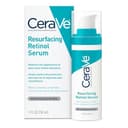
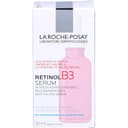
Support actives are what keep a retinol tolerable on a fragile barrier. Niacinamide helps calm and reinforce the skin barrier, ceramides patch it while the retinol works, and hyaluronic acidand glycerin hold water against the dryness retinol causes. A formula that leads with these tends to stay comfortable even at an unstated strength — which is exactly why several picks here are chosen for their support cast rather than a headline percentage. On reactive skin, a well-buffered low dose beats a bare high one every time.
If acids rather than retinoids are what have stung you in the past, the gentlest member of that family is worth understanding before you give up on exfoliation altogether — our retinol vs mandelic acid comparison covers the one AHA whose molecular size gives a real structural reason to expect an easier ride, and is honest about how little has been published about it.
Match the base to your barrier — and skip the fragrance
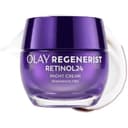
The carrier matters as much as the active. An encapsulated retinol releases more slowly and irritates less; an oil or squalane base cushions; a rich cream doubles as your moisturizer so the retinol has somewhere soft to land. Just as important is what a formula leaves out: added fragrance is a leading trigger for sensitive skin, so a fragrance-free formula removes one variable before you have even started. Where a pick below is fragranced, we say so plainly in its cons, because on reactive skin that is a real consideration rather than a footnote.
Consider a gentler retinoid — with clear eyes about the trade-off
If plain retinol still flakes your skin, a retinoid ester like hydroxypinacolone retinoate (marketed as “granactive retinoid”) or a bakuchiol pairing is widely reported to feel gentler. Tolerance studies rank retinol and retinaldehyde as low-irritation to begin with, and gentler esters sit alongside them — the honest caveat is that their published evidence base is thinner than plain retinol’s, so we present them as gentle alternatives, not equals. If bakuchiol is the route that interests you, our retinol vs bakuchiol comparison lays out exactly what the research does and does not show.
Start low, go slow, and read your skin
Even the gentlest pick here can overwhelm reactive skin if you use it nightly from day one. Begin two or three nights a week, apply a pea-sized amount to dry skin, buffer with moisturizer over the top, and build frequency only once your skin is comfortable. A little early dryness is normal; stinging that does not settle, or spreading redness, is your skin telling you to ease off. Our retinol purge guide walks through how to tell a normal adjustment period from genuine irritation that means stop.
What sensitive skin can realistically expect
Set expectations by the evidence, not the marketing. Used consistently, retinol reliably improves fine lines, uneven tone and rough texture over months — the first honest change is usually smoother surface texture around weeks four to twelve, with fine-line softening typically showing later, and it holds only while you keep going. Reactive skin often simply takes the scenic route there: more buffering, fewer nights per week, a longer ramp. If your skin is reactive because of an active condition like rosacea or eczema, or if every retinol you try flares it, that is a conversation for a dermatologist rather than a stronger bottle — our retinol and eczema guide sets out what atopic skin can and cannot carry, and this is general information, not medical advice. For the format that layers most flexibly, our best retinol serums roundup ranks the lighter options, and if a cushioning cream appeals, the mature-skin picks lean richer.