CeraVe Resurfacing Retinol Serum Review
A barrier-friendly, encapsulated retinol aimed at post-acne marks and texture — not deep wrinkles. Match it to the right job and it's a bargain; buy it for the wrong one and you'll be disappointed.
How this is funded: we earn a commission if you buy through our links, at no extra cost to you. It never changes which product we recommend, and we’ll tell you when we’d skip one. Full disclosure.
Encapsulated retinol with ceramides and licorice root, aimed squarely at post-acne marks and texture rather than deep wrinkles. Gentle, barrier-friendly and cheap — but the strength is unstated, so set expectations by what it's for.
Strengths
- Ceramides + niacinamide support the barrier while the retinol works
- Encapsulated delivery is gentler on reactive skin
- One of the least expensive 'real' retinol serums
Trade-offs
- Concentration is not published
- Marketed for marks, not deep wrinkles — set expectations accordingly
| Key active | Encapsulated retinol |
|---|---|
| Stated concentration | Not published |
| Format | Fluid lotion-serum |
| Fragrance-free | Yes |
| Best for | Post-acne marks and texture on a budget |
Formulation note. Encapsulated retinol + 3 essential ceramides + niacinamide + licorice root extract. The ceramide payload is why it stays tolerable; the retinol strength is not disclosed.
Ingredients and claims read from the product listing, on July 18, 2026. “Not published” means the brand does not state that figure.
The CeraVe Resurfacing Retinol Serum is the one people reach for after a breakout has cleared and left its calling card behind — the flat marks and rough patches that outlast the spot itself. That’s exactly what it’s built for, and it does the job well for very little money. The catch is that plenty of people buy it expecting a wrinkle cream, and it isn’t one. Get the job right and this is an easy recommendation; get it wrong and you’ll wonder why nothing happened.
What’s actually in it
The formula is CeraVe being CeraVe: an active wrapped in barrier support. The retinol is encapsulated, which slows its release and makes it gentler on reactive skin than a raw dose would be. Around it sit the brand’s three signature ceramides, niacinamide, and licorice root extract. The ceramides and niacinamide are the reason it stays tolerable — they help the skin barrier hold up while the retinol does its work — and the licorice root is a nod to the brightening, mark-fading angle the whole product is organized around. It’s also fragrance-free, which removes one of the most common triggers for sensitive skin.
What it’s for: marks and texture, not deep wrinkles
“Resurfacing” is the tell. This serum is aimed at post-acne marks — the discoloration a healed breakout leaves behind — and at general texture and smoothness. Retinoids are a well-established tool in that lane; the American Academy of Dermatology lists them among the core topical treatments for acne, and clearing congestion faster is part of how they help skin recover from it. Paired with niacinamide and licorice root, the formula is clearly tuned toward evening out tone and refining the surface.
What it is not marketed to do is flatten deep, established wrinkles, and its unstated strength reinforces that. Retinol in general supports skin over time, but if lines and photoaging are your headline concern, you want a product that tells you its strength so you can step it up — and that isn’t this one. Buying it for wrinkles and judging it on wrinkles is the single most common way people end up unfairly disappointed by a genuinely good serum. Our retinol for acne and marks guide covers what to realistically expect in this lane.
The strength question
CeraVe doesn’t publish the retinol concentration, so we mark it “Not published” rather than invent a number. Normally we treat that opacity as a real strike against a product — it’s the site’s whole reason for existing. Here it stings a little less, because the honest use case doesn’t hinge on the figure. You’re buying a barrier-friendly, encapsulated retinol to fade marks and smooth texture, and it’s cheap enough that the low-drama, low-commitment path makes sense. But if a known, step-uppable strength is important to you, treat the missing number as a genuine reason to look at a serum that prints one instead.
Who it suits
This is a strong pick for a specific crowd. Acne-prone skin dealing with the marks a breakout leaves behind is the core audience. Sensitive and reactive skin benefits from the encapsulated delivery, the ceramide-and-niacinamide buffering and the lack of fragrance. Budget-minded shoppers get one of the least expensive “real” retinol serums on the shelf. And genuine beginners — people who want a first retinoid that won’t torch their barrier in week one — will find it forgiving, which is why it turns up on our best retinol for beginners list. If price is the deciding factor, the best drugstore retinol roundup gives it context.
Who should look elsewhere
Two groups should skip it. The first is anyone whose main target is deep wrinkles and photoaging — this formula is pointed at marks and texture, and you’ll get more from a serum designed and dosed for lines. The second is anyone who specifically wants to know the strength they’re using, whether to compare products or to plan a deliberate step up. For both, a stated-strength option like The Ordinary’s 0.5% in the alternatives below is the more honest match. And if you like the gentle, encapsulated approach but want a slightly different soothing angle, the Naturium option adds bakuchiol to a similar barrier-first build.
How to use it
Encapsulation makes it gentler, not invincible, so use it the way you’d use any retinol: a pea-sized amount at night, a couple of nights a week to start, buffered with a plain moisturizer. Build up the frequency only as your skin stays calm, and always wear a broad-spectrum sunscreen the next morning — retinoids can leave skin more sun-sensitive, which is why they belong in the evening routine. Marks respond to consistency over weeks, not intensity over nights, so resist the urge to pile it on.
How it fits alongside the rest of a routine
Part of what makes this an easy serum to live with is that it doesn’t fight the products around it. The niacinamide and ceramides mean you’re already getting barrier support built in, so you don’t have to layer a separate soothing step to stay comfortable — a plain moisturizer over the top is enough. It layers cleanly under a night cream and plays nicely with a gentle, non-stripping cleanser and a fragrance-free moisturizer, which is the sort of unfussy routine acne-prone skin tends to do best on. Keep exfoliating acids on separate nights when you start, since stacking too many actives at once is how a barrier that was coping suddenly isn’t.
The verdict
The CeraVe Resurfacing Retinol Serum is a well-built, barrier-friendly, genuinely cheap way to work on post-acne marks and texture, and for acne-prone, sensitive or budget shoppers it’s an easy yes. The two honest caveats are that it doesn’t state its strength and it isn’t a deep-wrinkle product — so if either of those is your priority, buy something else and let this serum do the job it’s actually good at. For the wider category view, the best retinol serums roundup is the place to compare.
General guidance, not medical advice. Retinol Room is written by an enthusiast, not a dermatologist. For a diagnosis, a reaction, or a prescription active like tretinoin, see a qualified professional. Introduce any new active slowly and patch-test first.
If it’s not the one, consider these
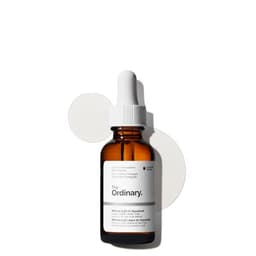
The Ordinary Retinol 0.5% in Squalane
If you want a stated strength for wrinkles rather than a marks-focused formula.
$9.30 · View on AmazonRead the full reviewPrice as of October 17, 2026. #ad How we’re funded
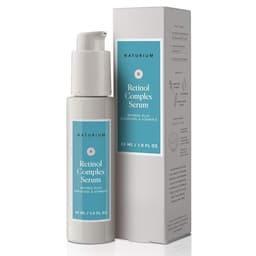
Naturium Retinol Complex Serum
A similarly gentle encapsulated option that adds bakuchiol.
Read the full review
Frequently asked questions
What percentage is CeraVe Resurfacing Retinol Serum?
CeraVe doesn't publish the retinol percentage, so we list it as 'Not published' rather than guess. That's the norm for drugstore retinols, but it matters less here than it would elsewhere, because you're buying this for a specific job — post-acne marks and texture — not to chase a number. If a stated strength is what you're after, a serum that prints its figure is the better fit.
Does CeraVe Resurfacing Retinol help with acne scars?
It's aimed at post-acne marks — the flat brown or pink discoloration left after a breakout heals — and texture, and retinoids are a recognized tool for acne and its aftermath. It is not a treatment for true indented or raised scars, which are changes in the skin's structure that a topical retinol can't reshape. Set the expectation at 'fading marks and smoothing texture,' not 'erasing scars.'
Is CeraVe retinol good for wrinkles?
It's not what this one is built for. The formula is positioned around resurfacing — marks and texture — rather than deep-wrinkle results, and its strength isn't stated. If your main goal is lines and photoaging, you'll be better served by a retinol that publishes a strength you can step up, which is why we point to The Ordinary's stated 0.5% in the alternatives.
Is CeraVe Resurfacing Retinol Serum good for sensitive or acne-prone skin?
This is where it's strongest. The retinol is encapsulated for a gentler release, and it's supported by three ceramides, niacinamide and licorice root, so the barrier gets help while the active works. It's also fragrance-free. That combination makes it one of the more forgiving retinols for reactive and acne-prone skin, and a reasonable first retinoid.
How often should I use CeraVe retinol?
Start low and go slow, even with an encapsulated formula. A couple of nights a week to begin, buffered with a plain moisturizer, then build up as your skin stays comfortable. Wear sunscreen the next morning. Marks fade gradually over weeks of consistent use, so patience does more here than frequency.
Sources
- American Academy of Dermatology — Retinoid or retinol? — AAD on the difference between prescription retinoids and OTC retinol (accessed July 17, 2026)
- American Academy of Dermatology — Acne: Diagnosis and treatment — AAD overview of benzoyl peroxide, retinoids, salicylic and azelaic acid for acne (accessed July 17, 2026)
Keep reading
Naturium vs CeraVe retinol
The brand head-to-head: two cheap encapsulated serums, neither of which publishes a percentage.
Read the comparisonCeraVe vs La Roche-Posay retinol
Same parent company, neither printing a percentage, very different prices — what the pharmacy premium actually buys.
Compare the twoCeraVe vs Neutrogena retinol
The drugstore-aisle pairing, across serums, moisturizers and eye creams — and the fragrance difference most comparisons miss.
Compare the twoCeraVe Retinol Serum, reviewed
CeraVe's other retinol serum — the anti-aging one, and the reason people buy the wrong bottle.
Read the reviewBest retinol serums
Where this sits among the serum field, from marks-focused formulas to stated-strength picks.
See the picksRetinol for acne & marks
How retinoids help breakouts and the discoloration they leave behind.
Read the guideBest retinol for beginners
Gentle, buffered picks if this is your first retinoid — CeraVe among them.
See the picksBest drugstore retinol
The affordable shelf, and how CeraVe compares on price and formula.
See the picksThe Ordinary vs CeraVe retinol
The head-to-head everyone asks for — which of the two budget retinols suits your skin.
Compare the twoBlack Friday & Cyber Monday skincare deals
Drugstore retinols show list-price reductions on Amazon year-round — how to tell a real November deal from a strike-through.
Check the deals page