Retinol Room.

Best Retinal (Retinaldehyde) Serums

Retinal sits one conversion step from retinoic acid, where retinol sits two — and unusually for this industry, most brands selling it will tell you the number. The retinals worth buying, and the rung to start on.

By Stephen V.Last updated How we pick

Retinal — retinaldehyde, if you want the full name — is the rung of the vitamin A ladder directly above retinol and directly below prescription tretinoin. Your skin converts retinol to retinaldehyde, then retinaldehyde to retinoic acid, which is the form that actually does the work. Buying retinal skips a step. That makes it meaningfully more potent than the same number written on a retinol bottle, and it is why we treat this as its own category rather than as a footnote on the serum roundup.

The happy accident of this category is transparency. Retinal is a premium positioning, and brands that charge premium prices tend to publish their numbers, so four of the five picks below print an exact concentration on the label. That is a far better hit rate than the drugstore retinol shelf, where an unstated “retinol complex” is the norm. Where a brand does not state a figure we say so plainly rather than guessing — see the Medik8 entry, where the number in the product name is a rung on their own ladder rather than a percentage.

Our criteria, in the order we applied them: does the brand publish a concentration, because a potent retinoid at an unknown dose is not something you can step up from deliberately; is the base doing any cushioning work, since retinal’s speed advantage comes with a matching capacity to irritate; is the packaging appropriate, because retinal degrades in light and air faster than most actives; and does the price make sense against what a stated-strength retinol would cost for a similar result.

One caution before the table. The numbers on retinal products are small, and small numbers read as gentle. They are not: a stated 0.2% retinal is a serious dose, not a beginner strength. If you have never used a retinoid, start on our beginner retinol picks and come back in six months. If retinol has been comfortable for a while and you want more, this is the right page.

How this is funded:we earn a commission if you buy through our links, at no extra cost to you. It never changes which product we recommend, and we’ll tell you when we’d skip one. Full disclosure.

Quick picks

Ranked on formulation, stated concentration and buyer fit. Select a row to jump to the full write-up. We have not tested these products — here is exactly what we do instead.

#ProductBest forPrice
1
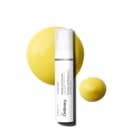
The Ordinary Retinal 0.2% Emulsion

The Ordinary Retinal 0.2% Emulsion

The cheapest way into retinaldehyde by a wide margin, and it states its strength — a labeled 0.2% retinal in a light emulsion. Retinal is a genuinely strong rung, so the low price should not be read as a low commitment.

Best overall
$14.90 · View on Amazon

Price as of August 12, 2026. #ad How we’re funded

2
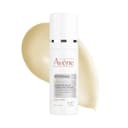
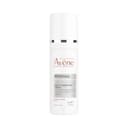
Avene Retrinal 0.05% Anti-Aging Retinaldehyde Cream

Avene Retrinal 0.05% Anti-Aging Retinaldehyde Cream

The gentlest sensible way into retinal: a stated 0.05% in a cream base from a French pharmacy brand built around reactive skin. If retinol has irritated you and you still want to move up the family rather than down, this is the entry point.

Best first retinal
$37.12 · View on Amazon

$49.5025% off

Price as of August 12, 2026. #ad How we’re funded

3
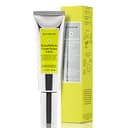
Naturium Retinaldehyde Cream Serum 0.10%

Naturium Retinaldehyde Cream Serum 0.10%

A stated 0.10% retinal in a cream-serum base, sold in a 1.7 oz size explicitly for face, neck and chest. That size-and-scope combination is unusual and genuinely useful: most retinals come in 1 oz bottles you end up rationing for the face alone.

Best for face, neck and chest
$31.99 · View on Amazon

Price as of August 12, 2026. #ad How we’re funded

4
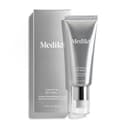
Medik8 Crystal Retinal 1 Night Serum

Medik8 Crystal Retinal 1 Night Serum

The entry rung of the best-known retinal ladder in skincare. Medik8 numbers the range 1, 3, 6, 10 and 20 and expects you to climb it deliberately, which is a structurally honest way to sell a potent active — you just pay premium prices at every rung.

Best structured ladder
$56.00 · View on Amazon

Price as of August 12, 2026. #ad How we’re funded

5
Avene Retrinal 0.1% Anti-Aging Retinaldehyde Cream

Avene Retrinal 0.1% Anti-Aging Retinaldehyde Cream

The step up from Avene's 0.05%, at a stated 0.1% retinal in the same cream base. The right buy once the lower rung is comfortable nightly — and a clean example of a brand letting you progress by a known amount rather than a guess.

Best step up
$51.00 · View on Amazon

$68.0025% off

Price as of August 12, 2026. #ad How we’re funded

The picks in full

#1Best overall

The Ordinary Retinal 0.2% Emulsion

The cheapest way into retinaldehyde by a wide margin, and it states its strength — a labeled 0.2% retinal in a light emulsion. Retinal is a genuinely strong rung, so the low price should not be read as a low commitment.

Strengths

  • States an exact 0.2% retinal, which most retinal products do not
  • Dramatically cheaper than every other retinal on this page
  • Light emulsion base layers easily under a moisturizer

Trade-offs

  • 0.2% retinal is a high rung, not a starter — it is not where a beginner should begin
  • Small 0.5 fl oz bottle, so it does not last as long as the price suggests
Key activeRetinaldehyde (retinal)
Stated concentration0.2%
FormatLight emulsion
Fragrance-freeNot published
Best forRetinol-experienced, Normal

Formulation note. Retinaldehyde sits one conversion step from retinoic acid, where retinol sits two. That is why a 0.2% retinal is not comparable to a 0.2% retinol — the numbers look similar and the potency is not.

Ingredients and claims read from the product listing, on August 11, 2026. “Not published” means the brand does not state that figure.

#2Best first retinal

Avene Retrinal 0.05% Anti-Aging Retinaldehyde Cream

The gentlest sensible way into retinal: a stated 0.05% in a cream base from a French pharmacy brand built around reactive skin. If retinol has irritated you and you still want to move up the family rather than down, this is the entry point.

Strengths

  • States 0.05% retinal — a true entry rung, plainly labeled
  • Cream base from a brand whose whole positioning is reactive skin
  • A far more forgiving starting point than a 0.2% retinal

Trade-offs

  • Pharmacy pricing — several times the cost of a budget retinal
  • 0.05% is deliberately modest; you will likely want to step up in time
Key activeRetinaldehyde (retinal)
Stated concentration0.05%
FormatAnti-aging cream
Fragrance-freeNot published
Best forSensitive, Dry, Beginner-to-retinal

Formulation note. A stated 0.05% retinaldehyde in a cream rather than a serum, from Avene's thermal-spring-water range. The low stated figure is the point — retinal is potent enough that starting at the bottom of the ladder is the sensible move.

Ingredients and claims read from the product listing, on August 11, 2026. “Not published” means the brand does not state that figure.

#3Best for face, neck and chest

Naturium Retinaldehyde Cream Serum 0.10%

A stated 0.10% retinal in a cream-serum base, sold in a 1.7 oz size explicitly for face, neck and chest. That size-and-scope combination is unusual and genuinely useful: most retinals come in 1 oz bottles you end up rationing for the face alone.

Strengths

  • States 0.10% retinal — a mid rung you can actually place on the ladder
  • 1.7 oz is enough to cover neck and chest without rationing
  • Cream-serum texture is more cushioning than a thin emulsion

Trade-offs

  • Larger bottles take longer to finish, and retinal degrades once opened
  • Still a real retinoid dose over a large area — introduce it slowly
Key activeRetinaldehyde (retinal)
Stated concentration0.10%
FormatCream serum
Fragrance-freeNot published
Best forNormal, Dry, Mature

Formulation note. A stated 0.10% retinaldehyde in a cream-serum base, listed for face, neck and chest. Sold alongside a 0.05% and a 0.15% in the same line, so the range functions as a ladder in the same way The Ordinary's retinols do.

Ingredients and claims read from the product listing, on August 11, 2026. “Not published” means the brand does not state that figure.

#4Best structured ladder

Medik8 Crystal Retinal 1 Night Serum

The entry rung of the best-known retinal ladder in skincare. Medik8 numbers the range 1, 3, 6, 10 and 20 and expects you to climb it deliberately, which is a structurally honest way to sell a potent active — you just pay premium prices at every rung.

Strengths

  • Part of an explicit 1 / 3 / 6 / 10 / 20 ladder, so progression is planned rather than improvised
  • Hyaluronic acid and vitamin E in the base, per the listing
  • Airless-style packaging suits an ingredient that degrades in light and air

Trade-offs

  • Premium pricing, and the ladder above it costs more at every rung
  • The listing names the rung, not a percentage — the number on the box is not a concentration
Key activeRetinaldehyde (retinal)
Stated concentrationNot published
FormatNight serum
Fragrance-freeNot published
Best forSensitive, Normal, Beginner-to-retinal

Formulation note. Sold as Crystal Retinal 1, the lowest rung of a numbered range that also includes 3, 10 and 20. The number denotes the rung within Medik8's own ladder rather than a published percentage, so we print 'Not published' for concentration.

Ingredients and claims read from the product listing, on August 11, 2026. “Not published” means the brand does not state that figure.

#5Best step up

Avene Retrinal 0.1% Anti-Aging Retinaldehyde Cream

The step up from Avene's 0.05%, at a stated 0.1% retinal in the same cream base. The right buy once the lower rung is comfortable nightly — and a clean example of a brand letting you progress by a known amount rather than a guess.

Strengths

  • States 0.1% retinal, so the step up from 0.05% is a known quantity
  • Same cushioning cream base as the lower strength — only the dose changes
  • A potent formula that still suits skin that reacts to plain retinol

Trade-offs

  • Expensive relative to a budget retinal at a similar figure
  • Doubling the stated strength is a real jump — do not start here
Key activeRetinaldehyde (retinal)
Stated concentration0.1%
FormatAnti-aging cream
Fragrance-freeNot published
Best forNormal, Dry, Retinal-experienced

Formulation note. The 0.1% rung of the same Retrinal cream line. Because both strengths publish a figure and share a base, moving between them changes one variable — which is exactly what you want when you are testing your own tolerance.

Ingredients and claims read from the product listing, on August 11, 2026. “Not published” means the brand does not state that figure.

What retinal actually is, in one paragraph

Every over-the-counter vitamin A product is a precursor. Skin enzymes convert what you apply into retinoic acid, and each conversion step loses some of the material along the way. Retinyl esters need three steps and are the weakest of the family. Retinol needs two. Retinal needs one. Tretinoin is retinoic acid itself, needs none, and is prescription-only for exactly that reason. Fewer steps means more of what you applied arrives as the active form — which is the entire argument for paying more for retinal. Our retinol vs retinal comparison works through the trade-offs in more detail, and retinol vs retinoid maps the whole family.

How to read the numbers

This is the part that trips people up, so it is worth being blunt: a retinal percentage and a retinol percentage are not the same unit. A stated 0.1% retinal is not “a fifth as strong” as a stated 0.5% retinol. Because retinal is further along the conversion chain, comparable results tend to come from substantially smaller numbers — which is why the retinal ladder tops out around 0.2% while the retinol ladder tops out at 1%.

Treat the two scales as separate. If you are moving over from retinol, do not try to match your old number; start at the bottom of the retinal ladder regardless of how comfortable you were on retinol, and rebuild frequency from two nights a week. Published tolerance work has found retinol and retinaldehyde to share a low irritation potential relative to retinoic acid, which is reassuring — but “lower than tretinoin” is a wide bracket, and your first fortnight is still an adjustment period.

The rungs, roughly

  • 0.05%— entry. Where anyone new to retinal should begin, including people with years of retinol behind them.
  • 0.1%— the middle. A real step up, and where most people settle if they get on with the category.
  • 0.15–0.2%— the top of what is commonly sold. Potent. Worth reaching only after months at a lower rung without reaction.

Who should buy retinal instead of retinol

Retinal makes sense in three situations. The first is a plateau: you have been using a stated-strength retinol near-nightly for six months or more, you were seeing change, and now you are not. The second is speed — if you have a specific horizon and want the most efficient over-the-counter option, the shorter conversion path is a legitimate reason to pay more. The third is the awkward middle ground between over-the-counter and prescription: people who want more than retinol offers but do not want, or cannot easily get, a tretinoin prescription. Our retinol vs tretinoin page covers what crossing that line involves.

Retinal is the wrong buy if you are new to retinoids, if your skin is currently irritated or compromised, or if your budget only stretches to one bottle and you would be choosing the retinal over sunscreen. It is also unnecessary if you have not yet given a good retinol a fair run — most people who conclude retinol “did not work” used it inconsistently for six weeks, which is a timeline problem rather than a molecule problem.

How to start retinal without a setback

Start at the bottom rung. Not the one that matches your retinol number. The bottom. Two nights a week for the first month.Add a night only when the current frequency has been comfortable for two full weeks — the schedule in our how often guide applies unchanged. Buffer generously. Retinal formulas tend to be lighter than the cushioning night creams people move from, so the moisturizer over the top is doing more work than it used to. The sandwich method is a reasonable starting point for the first fortnight.

Nothing else new for a month.No acids, no strong vitamin C in the same routine, no new exfoliating cleanser — see the layering guide for what combines safely. Sunscreen every morning, without exceptions. Sun sensitivity rises with retinoid potency, and retinal is more potent than what you were using.

Storage matters more here

Retinal is less stable than retinol and noticeably less stable than adapalene. Light and air degrade it, which is why the better products in this category come in opaque tubes, pumps or airless packaging rather than dropper bottles or jars. Keep it closed, keep it out of a sunny bathroom, and do not buy a bottle so large you will still be working through it a year from now — a smaller bottle you finish is worth more than a big one that oxidizes on the shelf. If a retinal product has turned noticeably darker or smells rancid, it is done.

What we did not include

We left out the growing number of unbranded retinal serums with no stated strength, no formulation detail and no track record. The whole reason to move to retinal is precision; buying an anonymous one throws that away and leaves you paying a premium for a guess. We also left out combination products where retinal is one of eight marketed actives — if a formula is competing for your attention with five other names on the front of the box, the retinal is rarely the star of the ingredient list.
Frequently asked questions

Is retinal stronger than retinol?

Effectively yes, at the same number. Retinal is one enzymatic conversion away from retinoic acid while retinol is two, so more of what you apply arrives as the active form. That's why the retinal ladder tops out around 0.2% while the retinol ladder runs to 1% — the scales aren't interchangeable, and a small retinal number is not a gentle product.

What strength of retinal should a beginner use?

0.05%, and only if you already have retinol experience. If you've never used any retinoid, retinal isn't where to begin at all — start with a stated 0.2% retinol, build tolerance over several months, then consider moving across. People who jump straight to retinal usually end up with a fortnight of flaking and a bottle they abandon.

Can I switch straight from retinol to retinal at the same percentage?

No — and this is the most common mistake in the category. The percentages are different units. Someone comfortable at 0.5% retinol should start at 0.05% retinal, not 0.5%, and rebuild frequency from two nights a week. Your tolerance is to a specific molecule at a specific dose, not to vitamin A in general.

Is retinal better than tretinoin?

No, it's a rung below. Tretinoin is retinoic acid itself and needs no conversion, which makes it the most potent and the most irritating of the three, and it's prescription-only in the US. Retinal is the strongest thing you can buy without a doctor. If you're comfortably tolerating a high retinal and still want more, the next step is a conversation with a dermatologist rather than a bigger cosmetic number.

Why is retinal so much more expensive than retinol?

Partly raw material cost and stability — retinal degrades faster than retinol and needs better packaging and formulation to survive the bottle — and partly positioning. It's sold as the premium tier, and priced accordingly. The one budget exception on this page states its strength and undercuts the rest of the category by a wide margin, which is why it's our overall pick.

Does retinal cause purging like retinol?

It can, and for the same reason: faster cell turnover brings existing congestion to the surface sooner. Expect the same pattern as any retinoid — some initial dryness and possible breakouts in the first weeks, settling over a month or two. Our purge guide covers how to tell an adjustment period from genuine irritation, which is the distinction that matters.

Sources

Keep reading