Retinol Room.

Best Retinol for Beginners

Five gentle, low-strength retinols for first-timers, compared on stated strength and how softly each one ramps up — start low, go slow, skip the flaking.

By Stephen V.Last updated How we pick

Retinol is the most evidence-backed anti-aging active you can buy without a prescription — and also the one people most often quit, because they start too strong and their skin revolts. Almost every “retinol didn’t work for me” story is really a “started at the wrong strength” story. For a first bottle, gentleness beats potency every time; you can always step up once nightly use feels easy.

So this list is built around the softest way in. We favor a stated low strength you can trust, a base that buffers dryness, and encapsulated delivery that releases the retinol slowly. The Ordinary’s 0.2% is the clearest starting point — a plainly labeled beginner dose — while CeraVe and Naturium lean on ceramides and slow-release encapsulation to stay tolerable. One pick, the Granactive Retinoid, isn’t retinol at all but a gentler retinoid ester; we include it honestly, with the caveat that its evidence base is thinner. Whatever you choose, the rules are the same: start low, use it two or three nights a week, moisturize on top, and wear sunscreen every morning — retinol makes skin more sun-sensitive.

How this is funded:we earn a commission if you buy through our links, at no extra cost to you. It never changes which product we recommend, and we’ll tell you when we’d skip one. Full disclosure.

Quick picks

Ranked on formulation, stated concentration and buyer fit. Select a row to jump to the full write-up. We have not tested these products — here is exactly what we do instead.

#ProductBest forPrice
1
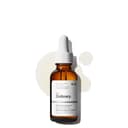
The Ordinary Retinol 0.2% in Squalane

The Ordinary Retinol 0.2% in Squalane

The gentlest true-retinol starting point on the shelf: a stated 0.2% in the same cushioning squalane base. If you have never used a retinoid, this is where to begin before touching anything stronger.

Best starter strength
$8.10 · View on Amazon

Price as of July 19, 2026. #ad How we’re funded

2
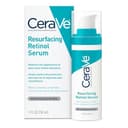
CeraVe Resurfacing Retinol Serum

CeraVe Resurfacing Retinol Serum

Encapsulated retinol with ceramides and licorice root, aimed squarely at post-acne marks and texture rather than deep wrinkles. Gentle, barrier-friendly and cheap — but the strength is unstated, so set expectations by what it's for.

Best gentle encapsulated
$18.68 · View on Amazon

$21.9915% off

Price as of July 19, 2026. #ad How we’re funded

3
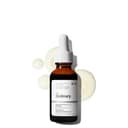
The Ordinary Granactive Retinoid 2% Emulsion

The Ordinary Granactive Retinoid 2% Emulsion

Not retinol at all, but a retinoid ester (hydroxypinacolone retinoate) marketed as gentler. A reasonable option for skin that flakes on plain retinol — with the honest caveat that its evidence base is thinner than retinol's.

Best non-retinol option
$12.10 · View on Amazon

Price as of July 19, 2026. #ad How we’re funded

4
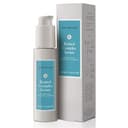
Naturium Retinol Complex Serum

Naturium Retinol Complex Serum

Blends encapsulated retinol with bakuchiol, a plant extract with retinol-adjacent research, to soften the ramp-up. A reasonable gentle middle option — with an unstated retinol dose you're taking on trust.

Best gentle on-ramp
$14.69 · View on Amazon

$20.9930% off

Price as of July 19, 2026. #ad How we’re funded

5
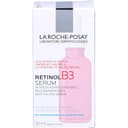
La Roche-Posay Pure Retinol Face Serum (B3 + HA)

La Roche-Posay Pure Retinol Face Serum (B3 + HA)

Pairs pure retinol with niacinamide and hyaluronic acid, so the buffering that reduces flaking is built into the formula rather than something you layer yourself. The gentlest 'serious' retinol here — for skin that dries out on plainer options.

Best buffered serum
$44.99 · View on Amazon

Price as of July 19, 2026. #ad How we’re funded

The picks in full

#1Best starter strength

The Ordinary Retinol 0.2% in Squalane

The gentlest true-retinol starting point on the shelf: a stated 0.2% in the same cushioning squalane base. If you have never used a retinoid, this is where to begin before touching anything stronger.

Strengths

  • Stated 0.2% — a genuine beginner strength, plainly labeled
  • Squalane base softens the early dryness
  • About as cheap as effective retinol gets

Trade-offs

  • Too gentle to be anyone's long-term destination — you'll want to step up
  • Still pure retinol, so introduce it slowly regardless of the low number
Key activeRetinol
Stated concentration0.2%
FormatLightweight oil serum
Fragrance-freeYes
Best forSensitive, Beginner, Normal

Formulation note. 0.2% pure retinol in squalane — the entry rung of The Ordinary's three-strength ladder. Starting here and moving to 0.5% only once nightly use is comfortable is the textbook way to build tolerance.

Ingredients and claims read from the product listing, on July 18, 2026. “Not published” means the brand does not state that figure.

#2Best gentle encapsulated

CeraVe Resurfacing Retinol Serum

Encapsulated retinol with ceramides and licorice root, aimed squarely at post-acne marks and texture rather than deep wrinkles. Gentle, barrier-friendly and cheap — but the strength is unstated, so set expectations by what it's for.

Strengths

  • Ceramides + niacinamide support the barrier while the retinol works
  • Encapsulated delivery is gentler on reactive skin
  • One of the least expensive 'real' retinol serums

Trade-offs

  • Concentration is not published
  • Marketed for marks, not deep wrinkles — set expectations accordingly
Key activeEncapsulated retinol
Stated concentrationNot published
FormatFluid lotion-serum
Fragrance-freeYes
Best forAcne-prone, Normal, Sensitive

Formulation note. Encapsulated retinol + 3 essential ceramides + niacinamide + licorice root extract. The ceramide payload is why it stays tolerable; the retinol strength is not disclosed.

Ingredients and claims read from the product listing, on July 18, 2026. “Not published” means the brand does not state that figure.

#3Best non-retinol option

The Ordinary Granactive Retinoid 2% Emulsion

Not retinol at all, but a retinoid ester (hydroxypinacolone retinoate) marketed as gentler. A reasonable option for skin that flakes on plain retinol — with the honest caveat that its evidence base is thinner than retinol's.

Strengths

  • Retinoid ester is widely reported as less irritating than pure retinol
  • Stated 2% of the Granactive Retinoid complex — a labeled figure
  • Light emulsion texture layers easily

Trade-offs

  • Hydroxypinacolone retinoate has far less published evidence than retinol
  • The '2%' is the complex, not 2% retinol — don't read it as high-strength
Key activeGranactive Retinoid (hydroxypinacolone retinoate)
Stated concentration2% Granactive Retinoid complex
FormatLight emulsion
Fragrance-freeYes
Best forSensitive, Retinol-reactive

Formulation note. The active is hydroxypinacolone retinoate, a retinoic-acid ester — not free retinol. The '2%' refers to the solubilized complex, not a retinol percentage. We present it as a gentler alternative with a smaller evidence base, not an equal to retinol.

Ingredients and claims read from the product listing, on July 18, 2026. “Not published” means the brand does not state that figure.

#4Best gentle on-ramp

Naturium Retinol Complex Serum

Blends encapsulated retinol with bakuchiol, a plant extract with retinol-adjacent research, to soften the ramp-up. A reasonable gentle middle option — with an unstated retinol dose you're taking on trust.

Strengths

  • Bakuchiol pairing aims to reduce early irritation
  • Encapsulated retinols for a slower release
  • Inexpensive for the category

Trade-offs

  • Retinol percentage is not published
  • Bakuchiol's evidence base is smaller than retinol's — treat it as support, not a replacement
Key activeRetinol + bakuchiol
Stated concentrationNot published
FormatLightweight serum
Fragrance-freeYes
Best forNormal, Combination, Cautious beginners

Formulation note. Encapsulated retinols + bakuchiol. Bakuchiol has a few supportive studies but a fraction of retinol's evidence; we present it as an adjunct, not an equal.

Ingredients and claims read from the product listing, on July 18, 2026. “Not published” means the brand does not state that figure.

#5Best buffered serum

La Roche-Posay Pure Retinol Face Serum (B3 + HA)

Pairs pure retinol with niacinamide and hyaluronic acid, so the buffering that reduces flaking is built into the formula rather than something you layer yourself. The gentlest 'serious' retinol here — for skin that dries out on plainer options.

Strengths

  • Niacinamide + glycerin + hyaluronic acid buffer the retinol's dryness
  • Fragrance-free, from a brand built around reactive skin
  • Well-tolerated texture that layers cleanly under moisturizer

Trade-offs

  • Does NOT publish the retinol percentage — you're trusting the brand
  • Among the pricier options for an unstated strength
Key activeRetinol
Stated concentrationNot published
FormatSilky lotion-serum
Fragrance-freeYes
Best forSensitive, Dry, Normal

Formulation note. Pure retinol + niacinamide (vitamin B3) + hyaluronic acid. The support actives are the selling point; the retinol strength itself is not disclosed, which we flag rather than guess.

Ingredients and claims read from the product listing, on July 18, 2026. “Not published” means the brand does not state that figure.

How to start retinol without wrecking your skin

The single biggest beginner mistake is treating retinol like a face wash — something you use every day from day one. It isn’t. Retinol asks your skin to turn over faster, and that adjustment takes weeks. Push it too hard and you get the redness and flaking that make people give up long before any benefit shows. The whole beginner strategy is to move slowly enough that you never hit that wall.

Two or three nights a week, not every night

Start at a stated low strength, apply a pea-sized amount to dry skin, and use it two or three nights a week. Follow with moisturizer every time — a technique some call “buffering” that takes the edge off without blocking the retinol. Only add nights once your skin stays calm. There’s no prize for nightly use before you’re ready; going faster just means more irritation, not faster results. For the full ramp-up plan, see our guide to using retinol.

The purge versus plain irritation

Some early flaking and the odd breakout are normal as turnover speeds up. Persistent burning, raw patches or swelling are not — that’s a sign to drop the frequency, not power through. Our retinol purge guide walks through the difference and how long the adjustment usually lasts.

Retinoid ester versus real retinol

One pick here, the Granactive Retinoid, uses hydroxypinacolone retinoate — a retinoid ester marketed as gentler than plain retinol. It may suit skin that flakes on everything else, but be clear-eyed about it: its evidence base is far thinner than retinol’s, and the “2%” on the label is the complex, not 2% retinol. We include it as a gentle alternative, not an equal to proven retinol.

Frequently asked questions

What strength of retinol should a beginner start with?

A stated low strength — roughly 0.2% to 0.3% — in a cushioning base. Starting low lets your skin build tolerance and avoids the flaking and redness that make people quit. The Ordinary's labeled 0.2% is a textbook first bottle; you can step up to 0.5% and beyond later, once nightly use is comfortable.

How often should a beginner use retinol?

Two or three nights a week to start, then build toward nightly only as your skin adjusts. Always follow with moisturizer. If you get persistent stinging or flaking, drop back a night rather than pushing through. There's no benefit to going faster than your skin can handle — patience is what gets you to nightly use without the misery.

Is the Granactive Retinoid a better choice than retinol for beginners?

It's gentler, which can help skin that flakes on plain retinol, but it isn't retinol — it's a retinoid ester (hydroxypinacolone retinoate) with a much thinner evidence base. The '2%' on the label refers to the complex, not 2% retinol. Treat it as a softer alternative worth trying if real retinol is too harsh, not as an equal-strength substitute.

Why does my skin flake when I start retinol?

Retinol speeds up skin-cell turnover, and the transition period commonly brings some dryness and flaking for a few weeks. It usually settles as your skin adjusts. Moisturizing on top and keeping to two or three nights a week softens it. Persistent burning or raw patches are different — that's irritation, and the fix is to use it less often, not to quit.

Do I really need sunscreen when I use retinol?

Yes. Retinol makes skin more sensitive to the sun, so daily broad-spectrum sunscreen isn't optional — skipping it both risks a burn and undoes the anti-aging work you're using retinol for in the first place. Use retinol at night and sunscreen every morning, and the two work together rather than against each other.

Sources

Keep reading