The core difference: serum versus moisturizer
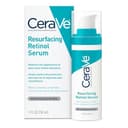
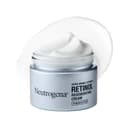
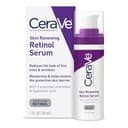
CeraVe’s retinols are treatment steps. You apply the serum and then you apply a moisturizer, because the serum is not one. Neutrogena’s Rapid Wrinkle Repair is a retinol moisturizer — one product doing both jobs, which collapses a two-step routine into a single step.
That has consequences in both directions. The one-step approach is genuinely easier to keep doing, and adherence is most of what determines whether a retinoid ever works. It is also less controllable: you cannot buffer a product with itself, so the sandwich technique and zone-by-zone dosing that make a retinoid tolerable on difficult skin are harder to apply. Our sandwich method guide covers why that control matters on reactive skin.
The serum-plus-moisturizer route is the opposite trade: more steps, more control, and the freedom to pick the moisturizer independently of the active. For most people starting out on unpredictable skin, that flexibility is worth the extra thirty seconds.
What each brand actually puts in the bottle
CeraVe: ceramides, and a stated purpose
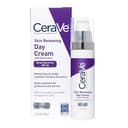
Every CeraVe retinol is built around the brand’s ceramide complex. The Resurfacing serum adds niacinamide and licorice root and is sold for post-acne marks and texture. The Skin Renewing serum pairs retinol with niacinamide and hyaluronic acid for a broader anti-aging brief. The day cream adds SPF 30, which is the only retinol product on either side of this comparison designed to be worn in the morning.
The ceramide payload is the reason CeraVe consistently tops our tolerance-led roundups. It is doing work the moisturizer step would otherwise have to do.
Neutrogena: a blend with a trademark on it
Neutrogena’s retinol products are built on what it calls accelerated retinol SA, with hyaluronic acid in the face moisturizer. The name describes a proprietary approach rather than a strength, and the brand does not publish what the SA blend contains in any quantified way. We record what the listing states and nothing more.
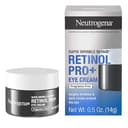
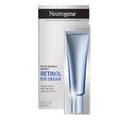
Where Neutrogena is genuinely strong is the eye area. It sells two purpose-built retinol eye creams — the standard Rapid Wrinkle Repair eye cream and the Pro+ version — which is more choice than CeraVe offers there at all. If the orbital area is your priority, that is a real point in Neutrogena’s favor, and our eye creams roundup ranks the wider field.
Fragrance: the difference most comparisons miss
This is where the two brands diverge in a way that is documented rather than inferred. Every CeraVe product on this page is fragrance-free according to its listing. So is the Neutrogena Rapid Wrinkle Repair face moisturizer — the listing says so in the product name. But both Neutrogena retinol eye creams are not.
That matters more around the eyes than anywhere else on the face. The AAD names fragrance among the most common causes of allergic contact dermatitis, and notes the rash can take hours or days to appear. Applying a fragranced product to the thinnest, most reactive skin you own, alongside an active that is already stressing it, is a decision worth making knowingly. It does not make those eye creams bad products — plenty of people use them without incident — but if you have ever reacted to a fragranced product, choose accordingly. Our fragrance-free roundup applies this filter across the whole category.
Which one to buy
Buy CeraVe if your concern is texture, congestion or post-acne marks; if your skin is oily, combination, acne-prone or reactive; if you want fragrance-free across the board; if you would rather choose your own moisturizer; or if you want the option of a retinol you can wear in the morning under SPF. It is the better default and the cheaper experiment.
Buy Neutrogena if you want one product instead of two and know yourself well enough to admit a two-step routine will not survive; if lines rather than texture are the target; or if the eye area is the priority, where Neutrogena has purpose-built options and CeraVe does not.
Buy neither if a stated strength is what you are after. Both brands decline to publish one across their entire retinol range. If you want a number on the label, our strength guide explains what the published percentages mean and the drugstore roundup includes the two mass-market products that actually print one.
What this comparison cannot tell you
- Which contains more retinol. Unpublished on both sides. An ingredient list orders components by proportion only down to 1%, and a retinoid is used far below that, so position on the list settles nothing.
- Whether encapsulation beats an “accelerated” blend. Both are delivery claims from marketing departments, neither is a regulated term, and no independent head-to-head of these specific products exists.
- Which works faster. Nobody has run that trial. The published retinoid evidence is built on tretinoin and on generic retinol, not on branded drugstore formulations.
What is knowable is format, fragrance status, supporting actives and stated purpose — and those are enough to make a sound decision without anybody inventing a percentage.
Using either one
Two nights a week for the first month, then three, then judge. At night, on dry skin, a pea for the whole face. With the CeraVe serums, moisturizer afterwards; with the Neutrogena moisturizer, that step is already included, though nothing stops you adding a plain cream over the top if you are flaking. Sunscreen every morning regardless — and note that the CeraVe day cream with SPF 30 is a morning product, not a substitute for a night retinoid.
Do not run both brands at once. Our how to use retinol guide covers the full routine, and how much retinol to use covers the dose, which is the thing most people get wrong with a one-step moisturizer in particular.