What the ingredient lists show
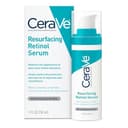
CeraVe publishes full ingredient lists on its own site, which is more than most drugstore brands do, and the positions are instructive. On the Resurfacing serum, retinol appears 19th with sodium hyaluronate 20th; on the Skin Renewingserum, retinol appears 23rd with hydrolyzed hyaluronic acid 32nd. Both carry the brand’s three-ceramide complex and niacinamide.
That is genuinely useful information and it is also sharply limited. The federal rule on cosmetic ingredient lists orders ingredients by predominance only above one percent; below that line, a brand may list them in any order it likes. Every cosmetic retinoid lives under that line. So the position tells you the retinol is present and that it is in the sub-1% group — which is true of every product on this page — and it tells you nothing about dose. We say that plainly rather than build a ranking on it.
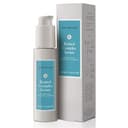
Naturium publishes an ingredient list too, and what it does not publish is the same thing CeraVe does not publish: a figure. Both brands sell “encapsulated” retinol, which is a delivery claim rather than a strength claim — the encapsulation argument is that a slower release is better tolerated, and our encapsulated retinol roundup covers what that does and does not buy you.
The three real differences
- What the product is sold to do. CeraVe Resurfacing is marketed at marks and texture; CeraVe Skin Renewing at fine lines and dullness; Naturium Retinol Complex at starting a retinoid without a bad fortnight. Buying the one aimed at your actual concern matters more here than any formulation difference between them, because the formulation differences are small.
- Base and supporting cast.CeraVe’s whole proposition is barrier ingredients in the same bottle — ceramides replace a lipid the barrier is literally built from, which is the best-evidenced supporting act in this category. Naturium’s is bakuchiol plus a light texture. Both are fragrance-free on the Resurfacing and Retinol Complex serums, which removes the commonest cause of “my retinol gave me a rash”.
- Whether a number is available at all.Only on Naturium’s retinal line. If knowing your dose is a requirement — and on this site we think it should be — then neither brand’s plain retinol serum qualifies, and the honest recommendation is The Ordinary’s stated ladder or Naturium’s stated retinal.
Which to buy, by situation
Post-acne marks, congestion, rough texture: CeraVe Resurfacing. It is the cheapest serum on the page and the one sold for exactly that job. See retinol for dark spots for the timeline, which is measured in months and not weeks.
Dry or reactive skin that flakes on retinoids: CeraVe Skin Renewing for the cushioning, or Naturium Retinol Complex if you want the lightest possible texture. Either way, moisturize over the top rather than choosing a product to avoid having to.
You have tried a retinol and it went badly: Naturium Retinol Complex, twice a week, with a moisturizer. Then read what a retinol burn actually is, because the usual cause is frequency rather than product.
You want to know your dose:neither plain retinol serum. Go to a brand that prints the figure — our serum roundup flags which ones do.
Already comfortable on an undisclosed retinol and want more: the Naturium retinaldehyde at a stated 0.10%, introduced as a step up. Our Medik8 vs Naturium retinal comparison explains where that figure sits on the retinal ladder.
What this page refuses to claim
That one of these serums is “stronger” than another. Nobody can know that from the public record, including us. Neither brand publishes an assay, a percentage or a head-to-head trial, and the retinoid evidence this site relies on — the double-blind histology, the collagen-formation trial — was produced with prescription tretinoin, not with either of these products.
What the evidence does support is the thing both brands are good at: a retinoid used consistently for months, cushioned enough that you keep using it. The published improvement curve rises for roughly ten months before it flattens. On that timescale the product you can afford and tolerate beats the product that was theoretically stronger and is sitting unused in a drawer, and both of these are cheap enough to finish.