What is actually dark, and why
A fold of skin that rubs against itself all day builds two things at once. First a thickened surface layer, because pressure and friction are what that layer is built to respond to. Second, pigment — melanin produced in response to repeated inflammation and then held in the thickened layer above it. That second part is post-inflammatory hyperpigmentation, and in deeper skin tones it is both more likely and more persistent: the published work on retinoid use in pigmented skin is consistent that irritation itself drives pigment, which is the single most important fact on this page.
Three things usually supply the inflammation in an armpit: shaving, friction from clothing or skin on skin, and irritation from a product — fragranced deodorant among the most common, since fragrance is one of the commonest causes of allergic contact dermatitis and the reaction can appear hours or days later, long after anyone has stopped suspecting it. A dark neck crease is the same story with a collar instead of a razor.
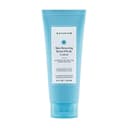
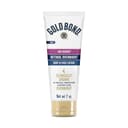
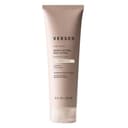
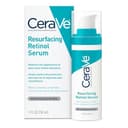
A retinoid acts on the layer holding the pigment: it changes how fast that layer turns over, which is why the AAD lists a retinoid among the ingredients that fade existing dark spots. It does nothing about the friction. That asymmetry is the whole strategy.
Stop the cause first, or you are treating a running tap
The AAD’s own razor-bump guidance is the most useful thing you can read before you buy a lotion: find the direction the hair grows by pulling the skin tight in a mirror and shave with it, rinse the lather off with warm water and then lay a cool damp washcloth on the just-shaved skin, and replace a disposable razor after five to seven shaves. If the bumps persist after changing technique, that is a dermatologist visit, not a stronger product.
It also matters that bumps in this area are not always pigment: folliculitis — an infection in the hair follicles that the AAD says “usually looks like a sudden acne breakout” — is caused by exactly the things an armpit does all day: shaving, plucking, waxing, and clothing that rubs damp hot skin. Its treatment is to stop doing what caused it, and the AAD is explicit that where shaving, plucking or waxing caused the infection, “you’ll want to stop doing these things for 30 days”. A retinol will not fix that and may make it sting.
The timeline, published rather than promised
The AAD’s own figure for fading a dark spot a few shades darker than your natural tone is six to twelve months of treatment, and years for discoloration that sits deeper. Nobody has published a trial of a cosmetic retinol on underarm pigment specifically, so that is the closest honest anchor there is, and it is the number we are going to hold you to rather than a four-week before-and-after.
Two consequences. First, buy a size you can use for most of a year. Second, do not raise the strength to speed it up: in a fold, in pigmented skin, irritation is the thing that created the problem.
How to use a retinoid in an armpit without making it worse
- Never on freshly shaved skin. Shave in the morning, apply at night, or better, leave a full day. This is the most common way this goes wrong.
- Two nights a week for the first month, on clean dry skin, then build up only if there is no stinging. Four to five nights a week is a perfectly good ceiling here.
- A thin layer is enough.Two armpits are a tiny area — the published fingertip-unit figures put a whole hand at 1.2 units and the face and neck together at 2.5, so a fold needs a fraction of a unit. A face-sized 30 ml serum is the wrong purchase for limbs and the right one for a crease.
- Fragrance-free everything in that area while you are treating it, including the deodorant, and nothing else active on the same night.
- Stop at the first sign of a rash rather than pushing through. A retinoid dermatitis in a fold is both uncomfortable and self-defeating, because inflammation is how the pigment got there.
What this page is not
It is not a skin-lightening page. We are not going to recommend hydroquinone, a bleaching cream or a “whitening” product, and nothing on this site is sold on the idea that lighter skin is better skin. The goal here is specific and modest: fading pigment that irritation deposited, back toward your own tone.
It is also not dark elbows and knees, which is mostly thickened keratin on a joint, nor keratosis pilaris, nor strawberry legs. Those pages exist because those are different problems with different answers, and a dark armpit is misdiagnosed as all three constantly.
What we left out, and why
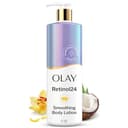
Every fragranced body lotion. In an occluded, sweaty fold, with fragrance already a leading suspect for the irritation that caused the pigment, a fragranced product is the wrong tool. That rules out one lotion we otherwise rate well, and we say so on its own review.
Deodorant-and-retinol combination products. None in our registry; none verified; not invented for this page.
Scrubs and exfoliating mitts. Friction is the cause. Adding friction is not the treatment.