The Ordinary Retinol Review
The retinol that actually prints its strength. The review isn't whether it works — it's which rung of the 0.2% / 0.5% / 1% ladder you should buy, and why the squalane base matters.
How this is funded: we earn a commission if you buy through our links, at no extra cost to you. It never changes which product we recommend, and we’ll tell you when we’d skip one. Full disclosure.
The clearest-labeled retinol you can buy: an exact 0.5% pure retinol in a squalane base, at a price that makes 'start low and go slow' painless. For most people ready to move up from a starter strength, this is the sensible middle rung.
Strengths
- Publishes the exact strength — 0.5% — which almost no drugstore retinol does
- Squalane base is lightly occlusive and cushions irritation
- Sold in 0.2% / 0.5% / 1% so you can step up deliberately
Trade-offs
- Pure retinol in an anhydrous oil — no added niacinamide or soothing actives
- Squalane finish can feel heavy layered over other oils
| Key active | Retinol |
|---|---|
| Stated concentration | 0.5% |
| Format | Lightweight oil serum |
| Fragrance-free | Yes |
| Best for | Most people, once past the very first weeks |
Formulation note. Pure retinol dispersed in squalane; no water phase, so none of the pH and packaging fuss vitamin C needs. The strength is printed on the label, which is the exception in this category, not the rule.
Ingredients and claims read from the product listing, on July 18, 2026. “Not published” means the brand does not state that figure.
Almost no retinol on the drugstore shelf will tell you how much retinol is in the bottle. The Ordinary does — it prints the percentage right on the front, across a three-strength ladder, and that single fact reframes the whole review. The question isn’t really “is this a good retinol.” It is. The question is which rung you should be standing on. The hero above is the 0.5%, the middle of the ladder and the one most people should own; the rest of this review is about how to be sure that’s you, and what to do if it isn’t.
Why this one is worth reviewing at all
Transparency is the entire pitch, and it’s a bigger deal than it sounds. When a brand refuses to state its retinol percentage — which is the norm for most of the drugstore — you’re buying on faith and marketing adjectives. The Ordinary removes the guesswork: 0.2%, 0.5% or 1%, in plain figures, in the same base each time. That means you can start deliberately, step up deliberately, and always know exactly what changed. If the label numbers still feel abstract, our strength and percentage guide explains what they translate to on your face.
The strength ladder: 0.2%, 0.5%, 1%
Think of the line as one product at three intensities. The base — pure retinol dispersed in squalane — is identical across all three; only the concentration moves. That consistency is the point. Stepping from 0.2% to 0.5% to 1% isn’t switching formulas and hoping your skin agrees; it’s turning a single dial you already understand.
Which rung suits you
- 0.2%— the beginner rung. If you have never used a retinoid, this is where to start, full stop. It’s gentle enough to build tolerance without wrecking your barrier in week one. It also appears on our best retinol for beginners list for exactly that reason.
- 0.5%— the middle rung, and the product in the hero above. This is the sensible destination for most people once they’re past the first few weeks: enough strength to do real work, still tolerable with a slow ramp. If you have any retinoid history at all, this is usually the one to buy.
- 1%— the top rung, for skin that already tolerates 0.5% nightly and wants more. It is not a starting point and it will over-strip a barrier that hasn’t built up to it. Climb to it; don’t jump.
The squalane base, and what it does and doesn’t add
The base is worth understanding because it shapes how the product feels and who it suits. Squalane is a lightweight, skin-friendly oil, and the formula is anhydrous — there’s no water in it. That’s a genuine advantage for stability: retinol keeps better in oil, without the pH juggling and light-sensitive packaging that water-based actives demand. It also means the finish is a soft oil rather than a quick-drying serum, which cushions some of the early dryness retinol brings.
The flip side is honesty about what isn’t in there. This is pure retinol in oil — no niacinamide, no ceramides, no soothing complex riding along to soften the experience. If your skin flakes as it adjusts, the buffering is your job, done with a plain moisturizer layered on top. And because it finishes as an oil, it can feel heavy stacked over other facial oils. Neither is a flaw so much as a design choice: The Ordinary sells you the active, cleanly, and leaves the rest of the routine to you.
There’s a practical upside to the oil format too. Retinol is famously prone to breaking down when it meets air and light, which is why so many are sold in opaque, air-restrictive packaging. An anhydrous oil is a more forgiving home for it than a water-based serum, so you’re less at the mercy of a fussy formula — store it somewhere dark, keep the cap on, and it holds up well over the life of the bottle.
The Granactive Retinoid 2% is a different animal
One point of confusion worth clearing up: The Ordinary also sells a Granactive Retinoid 2% Emulsion, and it is not the same thing as the Retinol products. Its active is hydroxypinacolone retinoate, a retinoid ester, not free retinol. It’s marketed as gentler, and it may well be for reactive skin — but two caveats matter. First, the “2%” is the concentration of the solubilized complex, not 2% retinol, so it isn’t a high-strength product hiding in plain sight. Second, the ester has far less published evidence behind it than plain retinol does. If pure retinol simply doesn’t agree with you, it’s a fair alternative to try, and we’ve put it in the alternatives below — just go in knowing it’s a gentler bet, not a stronger one.
Which strength to actually buy
Cutting through it: if you’ve never touched a retinoid, buy the 0.2% and give it time. If you have any history with retinol and want the version that most people should own, buy the 0.5% reviewed here. If you’re already comfortable on 0.5% every night and specifically want to push further, buy the 1%. The one mistake to avoid is starting high because stronger sounds better — on retinol, stronger mostly means more irritation and more temptation to quit before it’s had a chance to work.
If the 1% is the rung you are considering, the only other product on this site that prints the same figure is Paula’s Choice, at roughly four times the price. Our Paula’s Choice vs The Ordinary comparison is the head-to-head, and it is unusually clean precisely because both brands publish the number.
How to use it
The method is the same one that keeps any retinol tolerable. Use a pea-sized amount at night, two or three nights a week to begin, and buffer with a plain moisturizer over the top. Add nights only once your skin stays calm. Wear a broad-spectrum sunscreen the next morning — the American Academy of Dermatology notes retinoids can leave skin more sensitive to the sun, which is why they’re used at night and why daytime SPF is part of the deal, not optional. As for results: research on topical retinol and skin aging shows it supports collagen and improves the look of photoaged skin over time, but that payoff is measured in months of consistent use, never days. The single biggest factor in whether this works for you is whether you keep using it.
Who should skip it
This isn’t the retinol for everyone. If your skin is very reactive and you want the soothing actives built into the formula rather than layered on yourself, a buffered serum with niacinamide or ceramides will be an easier ride — our best retinol serums roundup points to those. If pure retinol has burned you before, the gentler Granactive ester in the alternatives is worth a look. And if you have no intention of wearing sunscreen, no retinol is a good idea, this one included.
The verdict
The Ordinary Retinol earns its reputation not by being the strongest or the fanciest, but by being the clearest. The 0.5% reviewed here is the rung most people should own: a stated strength, in a stable squalane base, at a price that makes “start low and go slow” painless. Buy the rung that matches your tolerance, ramp up patiently, and let the printed number do what most of the shelf won’t — tell you exactly what you’re putting on your face. If you want to see how the whole approach compares across the category, the best retinol roundups are the wider view.
General guidance, not medical advice. Retinol Room is written by an enthusiast, not a dermatologist. For a diagnosis, a reaction, or a prescription active like tretinoin, see a qualified professional. Introduce any new active slowly and patch-test first.
If it’s not the one, consider these
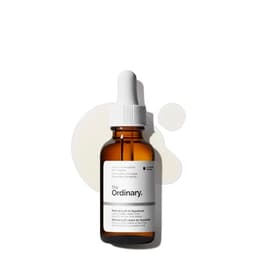
The Ordinary Retinol 0.2% in Squalane
Start here if you've never used a retinoid — the gentler 0.2% in the same squalane base.
$8.10 · View on AmazonPrice as of October 17, 2026. #ad How we’re funded
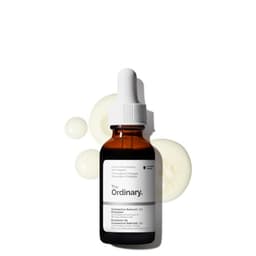
The Ordinary Granactive Retinoid 2% Emulsion
A gentler retinoid ester if pure retinol is too irritating for your skin.
$12.10 · View on AmazonRead the full reviewPrice as of October 17, 2026. #ad How we’re funded
Frequently asked questions
Which The Ordinary retinol should I buy?
Match the number to your experience. If you've never used a retinoid, start on the 0.2% and give it several weeks. Most people who are past those first weeks land on the 0.5%, which is the sensible middle rung and the version reviewed here. The 1% is for skin that already tolerates 0.5% nightly and wants to push further — it isn't a starting point. Because all three sit in the identical squalane base, moving up changes only the strength, not the feel.
What is the difference between The Ordinary Retinol and the Granactive Retinoid?
The Retinol products are pure retinol, the vitamin-A form with the deepest research behind it. The Granactive Retinoid 2% is a different active — hydroxypinacolone retinoate, a retinoid ester marketed as gentler. Its '2%' refers to the complex, not 2% retinol, so don't read it as high-strength. It's a reasonable option if plain retinol leaves you flaking, but its evidence base is thinner than retinol's, so we treat it as a gentler alternative rather than an equal.
Is The Ordinary Retinol 1% too strong for me?
It is if your skin hasn't built tolerance. 1% is a genuinely high over-the-counter strength, and starting there usually just buys you a week of raw, peeling skin and the urge to quit. The whole reason The Ordinary sells a ladder is so you climb it: comfortable on 0.2%, then 0.5%, and only then 1% if you still want more.
Why is The Ordinary Retinol in a squalane base?
Squalane is a lightweight, non-fragrant oil that skin tolerates well, and because the formula is anhydrous (no water phase) the retinol stays stable without the pH and packaging fuss that water-based actives need. The trade-off is that it's a plain oil serum — there's no niacinamide or soothing extra layered in — so you do any buffering yourself with a moisturizer on top.
How often should I use The Ordinary Retinol?
Start low and go slow. A pea-sized amount at night, two or three nights a week, buffered with a plain moisturizer, is the standard on-ramp. Build up the number of nights only once your skin stays comfortable, and wear a broad-spectrum sunscreen the next morning, since retinol can leave skin more sun-sensitive. Results build over months of consistent use, not days.
Sources
- American Academy of Dermatology — Retinoid or retinol? — AAD on the difference between prescription retinoids and OTC retinol (accessed July 17, 2026)
- Human Skin Aging and the Anti-Aging Properties of Retinol (PubMed) — Review of topical retinol's effect on collagen and photoaging (accessed July 17, 2026)
Keep reading
The Ordinary Retinal 0.2%, reviewed
A stated retinaldehyde strength for the price of a sandwich — and why it isn't a starter.
Read the reviewBest retinol serums
Where the 0.5% sits against the rest of the serum field, from gentle starters to a stated 1%.
See the picksRetinol strength & percentage, explained
What the numbers on a label actually mean, and why most brands hide them.
Read the guideBest retinol for beginners
If this is your first retinoid, the gentle picks and the on-ramp to start with.
See the picksBest drugstore retinol
The affordable end of the shelf, and how The Ordinary compares on price and honesty.
See the picksThe Ordinary vs CeraVe retinol
The head-to-head against the other budget favorite — stated strength versus built-in buffering.
Compare the twoBlack Friday & Cyber Monday skincare deals
The Ordinary runs a month-long Slowvember instead of a Black Friday sale — what its own terms say, and what that means on Amazon.
Check the deals page