The comparison at a glance
| | Retinol | Granactive Retinoid (HPR) |
|---|
| What it is | Vitamin A alcohol — a true retinoid | Hydroxypinacolone retinoate, a synthetic ester of retinoic acid |
|---|
| Conversion needed | Two steps: retinol → retinal → retinoic acid | Marketed as binding retinoid receptors without conversion |
|---|
| Published evidence | Extensive — decades of trials on photoaging and acne | Thin — small open studies, mostly of combination products |
|---|
| Irritation, in practice | Common in the first weeks; the reason most people quit | Widely reported as gentler; that reputation is its whole case |
|---|
| What the % means | The retinol concentration, when a brand states it | The complex, not the HPR content — not comparable to a retinol % |
|---|
| Typical texture | Oil serum, cream or emulsion | Light emulsion — layers more easily than a squalane oil |
|---|
| Best for | Anyone who tolerates it — the default choice | Skin that flakes on plain retinol and wants to stay in the family |
|---|
What the evidence actually shows
This is where the two separate, and it is not close. Retinol’s effects on photoaged skin, collagen and acne have been studied for decades in controlled trials. It is the reason a retinoid is the most evidence-backed anti-aging active available without a prescription, and the reason this whole site exists.
HPR’s published record is much smaller and structurally different. The clearest example is an open pilot study of 98 patients using a fixed combination gel containing 0.1% hydroxypinacolone retinoate together with 1% encapsulated retinol and papain, for mild-to-moderate acne. It reported a 41% mean reduction in acne grade with 15.3% of patients experiencing mild-to-moderate local side effects — and the authors themselves concluded that a controlled clinical study was necessary to confirm the data.
Read that carefully, because the detail matters: the formula tested contained retinol as well as HPR. That is a study of a combination product, not a head-to-head of HPR against retinol. There is no trial we can point you to that shows HPR matching retinol’s results at a lower irritation cost, which is precisely the claim the category is sold on.
None of this makes HPR a bad ingredient. It makes it an ingredient whose reputation currently rests on user experience rather than published comparison — and this site’s job is to tell you which of those you are relying on.
The tolerability case, taken seriously
The counter-argument deserves proper weight, because it is stronger than a strict evidence hierarchy suggests. The most common reason people get nothing from a retinoid is that they stopped using it. Irritation in the first month is the single biggest driver of abandonment.
An ingredient with a thinner evidence base that you use for two years beats a better-evidenced one you quit in three weeks. If plain retinol has already defeated you twice, an HPR emulsion is a defensible next move — and a considerably better one than giving up on retinoids entirely.
Before you switch, though, exhaust the technique options, because they are free. Lower frequency, the sandwich method, applying to completely dry skin, and dropping every other active for a month solve most tolerability problems without changing the molecule. Our peeling guide works through them in order.
Reading the label
The percentage problem here is a specific case of the general one this site keeps returning to. A retinol percentage, when a brand publishes it, is a figure you can place on a ladder: 0.2% is a beginner strength, 1% is a high one, and moving between them is a known change. Our strength guide covers that ladder.
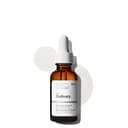
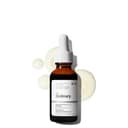
A Granactive Retinoid percentage does not work that way. It describes how much of the supplier’s complex is in the formula, and the HPR content within that complex is not disclosed. So a 2% Granactive Retinoid and a 5% version tell you something about each other and nothing at all about how either compares to a 0.5% retinol.
Practical consequence: do not use the bigger number to justify skipping a ramp-up. Start an HPR product exactly as cautiously as you would start a retinol — twice a week, moisturizer on top, build from there.
Can you use both?
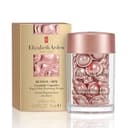
Some formulas already do, which is the honest answer to the question. The Elizabeth Arden capsules above pair retinol with HPR plus ceramides in a single sealed dose, and the acne study described earlier tested exactly that kind of combination.
What we would not do is layer two separate retinoid products in one routine to “get both”. That is two actives on the same night with no way to tell which one caused a reaction, and it violates the one rule that makes a retinoid routine manageable: change one thing at a time. If you want both molecules, buy one product containing both. Our layering guide covers the wider rule.
So which should you buy?
Buy retinol if you have never used a retinoid, or if you have used one comfortably. It is better evidenced, more widely studied, more often labeled with a real percentage, and cheaper per bottle at the budget end. It should be the default.
Buy Granactive Retinoid if plain retinol has repeatedly irritated you despite sensible technique, and you would rather stay in the retinoid family than move to bakuchiol or peptides. Accept that you are trading evidence for comfort, and be honest with yourself that you are doing it.
Look at retinal instead if your problem is speed rather than irritation. Retinaldehyde is one conversion step from retinoic acid where retinol is two, and its evidence base is real. Our retinol vs retinal comparison and retinal roundup cover that route up.