How to choose retinol for mature skin
The right retinol for aging skin is the one that is strong enough to do something and gentle enough that you actually keep using it. Consistency is what delivers results, and a product that stings on night two is a product that ends up in a drawer. Work through four questions in order.
Match the base to a drier, thinner barrier
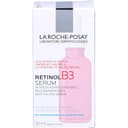
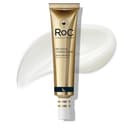
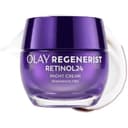
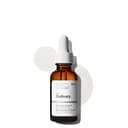
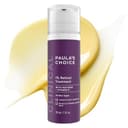
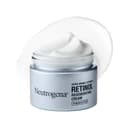
Mature skin usually holds less water and repairs more slowly, so the carrier matters as much as the active. A rich, emollient night cream gives the retinol somewhere soft to land and doubles as your moisturizer, which is why the cream-format picks here suit dry, mature skin better than a bare serum. An occlusive oil base — like the squalane our value pick sits in — cushions in a similar way. If your skin runs normal-to-combination and a heavy cream feels like too much, a lighter retinol serum layered under moisturizer is the flexible alternative.
Look for buffering, not just a big number
The support actives are what keep a retinol tolerable on skin that no longer bounces back overnight. Niacinamide helps calm and reinforce the barrier, hyaluronic acid and glycerin hold water against the dryness retinol causes, and ceramidespatch the barrier as the active works. A formula that folds these in tends to stay comfortable even at an unstated strength — which is exactly why several of our picks lead with their buffering rather than a headline percentage. If your skin is reactive, also prioritize a fragrance-free formula: added fragrance is one of the most common triggers, and a retinol already asks a lot of a mature barrier.
A stated strength beats a mysterious “complex”
Most anti-aging retinols won’t print their percentage, and a fancy-sounding “retinol complex” is not the same as a labeled dose. A brand that states an exact 0.5% or 1% is letting you dose deliberately — step up only when you are ready — instead of trusting a number you can’t see. That transparency is why our value and high-strength picks are ones that publish a figure. If the numbers themselves are a mystery to you, our retinol strength & percentage guide explains what 0.2%, 0.5% and 1% actually mean and which to start on.
When to step up — and when not to
Higher strength is not automatically better for mature skin; more retinol before your barrier is ready means more irritation, not faster results. Start at a genuine beginner or mid strength, get to comfortable near-nightly use, and only then consider a stated 1%. If over-the-counter retinol plateaus and you want more, that is the point to read our retinol vs tretinoin comparison and talk to a dermatologist rather than simply buying a stronger bottle. Our guide to stepping up sets out the four tests worth meeting before you change the number at all, and why staying put is frequently the better answer. And if you started earlier and are wondering whether your first bottle is still the right one, our picks for your thirties cover the prevention-tier version of the same decision.
What retinol realistically does for aging skin
Set expectations by the evidence. Retinol reliably improves fine lines, uneven tone and rough, crepey texture over months — the first honest change is usually smoother surface texture around weeks four to twelve, with fine-line softening typically showing between about weeks 12 and 24 of consistent use, and it holds only while you keep going. What it does not do is erase deep, movement-related folds or replace the volume that a procedure restores; those respond far less to any topical. For the full week-by-week picture and the research behind it, see our retinol for wrinkles page; for the folds around the mouth specifically, where the movement-related component does most of the work, our smile lines and nasolabial folds page sorts the part a retinoid reaches from the two parts it does not. And if a richer format appeals, the best retinol creamsroundup goes deeper on cream bases for dry, mature skin. This is general information, not medical advice — see a dermatologist for concerns that persist.