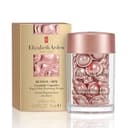
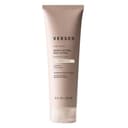
What encapsulation actually does
Free retinol applied to skin is available all at once. That produces the familiar first-fortnight pattern — tightness, then flaking, then either tolerance or a bottle in the back of a drawer. A carrier system changes the timing rather than the destination: the same active reaches the same receptors, but over hours instead of minutes, which gives the barrier time to keep up.
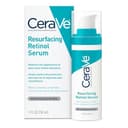
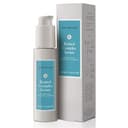
The second benefit is the less glamorous one and arguably matters more. Retinol oxidizes. A carrier shell shields it from air and light, so a bottle that sits open on a bathroom shelf for four months is more likely to still contain what you paid for. That is why encapsulation and good packaging usually travel together, and why we treat a dropper bottle of clear serum with suspicion in this category.
What it does not do
Encapsulation does not make retinol safe to use daily from day one, does not remove the sun-sensitivity consideration, and does not make an unstated dose knowable. It reduces the peak intensity of the exposure; it does not change what the molecule is. You still ramp up, you still wear sunscreen every morning, and you still stop if something is genuinely reacting rather than adjusting.
Encapsulated molecule vs single-dose capsule
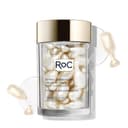
The distinction is simple once stated. Molecular encapsulation is about what happens on your skin: the retinol is inside a carrier that releases it gradually. Single-dose capsulesare about what happens before that: each night’s serving is sealed in its own airtight capsule, so the rest of the product is never exposed to air or light, and you never have to judge how much to use.
Both are legitimate. Capsules solve the biggest practical problem with retinol packaging — a part-used bottle degrading between uses — and they solve the most common beginner mistake, which is using far too much. The trade-offs are cost per night and a meaningful amount of single-use plastic. Molecular encapsulation solves the irritation problem more directly but leaves the packaging question open. A handful of products do both. For the capsule side in full — the water-free, fragrance-free formula and what its one-night claim actually describes — see our RoC Retinol Correxion capsules review.
Who this category suits
It suits people who have tried a plain retinol and reacted badly, and want to try again with something softer rather than give up on retinoids entirely. It suits genuinely sensitive skin — see our sensitive-skin roundup for picks chosen on that criterion specifically. It suits anyone using retinol on a large area, like the neck and chest, where the same irritation spread over more skin is harder to manage.
It suits you less well if you are the kind of person who wants to track and progress. The stated-strength ladders — a labeled 0.2%, then 0.5%, then 1% — give you a number to move between. This category gives you a comfortable start and a fog after that. If you know you want to escalate eventually, our beginner picks and high-strength picks are the more coherent path.
How to use an encapsulated retinol
Broadly the same as any retinol, with slightly more permission to be relaxed about it. Apply at night to clean, fully dry skin — damp skin increases penetration and, with it, irritation. A pea-sized amount covers the whole face; with capsules, one capsule is the dose and squeezing a second is not an upgrade. Moisturize on top. Start at two or three nights a week and build over several weeks, exactly as our how to use retinol guide sets out.
The relaxation is that most people tolerate this category better, so the ramp-up usually goes faster. The discipline that does not relax is sun protection and not stacking actives — gentle formulas make people complacent about both, and a retinoid plus a glycolic acid in the same routine is a barrier problem regardless of how the retinol is delivered. Our layering guide covers the combinations to avoid.
How to spot a hollow claim
The word appears on plenty of products that never explain it. Three things separate a real claim from a decorative one. First, the listing or the brand says what the encapsulation is, or at minimum states it as a formulation fact rather than a mood. Second, the packaging matches the claim — opaque, airless or sealed, not a clear dropper bottle. Third, the rest of the formula is consistent with a gentle positioning: barrier ingredients present, exfoliating acids absent. A product marketing itself as gentle encapsulated retinol while also containing a high-strength acid is selling you both problems at once.