What retinal is, and why the numbers are not retinol numbers
Retinaldehyde — retinal for short — sits one conversion step from retinoic acid, the form your skin actually uses. Retinol sits two. That single step is the entire argument for the category, and the published work on it is real but modest: the indexed record on retinaldehyde is small next to the tretinoin literature, which is why this site treats retinal as a sensible rung rather than a different species of product. Our retinol vs retinal comparison sets out the conversion chain in full.
The practical consequence is the one people get wrong when they put these two products side by side: a retinal percentage is not comparable to a retinol percentage. A 0.10% retinal is not “a fifth of a 0.5% retinol”; it is a different molecule one step further along. Nobody has published a conversion table that would let anyone claim otherwise, and we are not going to invent one.
The two numbering systems, read straight
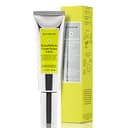
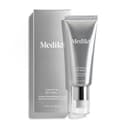
Medik8’s range is numbered by rung, not by dose: Crystal Retinal 1is a published 0.01% retinaldehyde, and the brand states 0.03%, 0.06%, 0.1%, 0.2% and 0.24% for rungs 3, 6, 10, 20 and 24 — figures read from Medik8’s own Crystal Retinal range pages. So the Naturium product you can buy today sits level with Medik8’s rung 10, not rung 1. That is the sentence this comparison exists to deliver, and it is the one every “Medik8 or Naturium” thread gets tangled in.
Naturium numbers by percentage directly and sells 0.05%, 0.10% and 0.15% in the same line, so its range also functions as a ladder — just a shorter one that starts where Medik8’s middle is.
The four differences that decide it
- Stated dose. 0.01% against 0.10%. If you have never used a retinoid, the low number is a feature; if you have used a 0.5% retinol for a year, rung 1 is unlikely to do much you can see, and buying it is buying the ladder rather than the result.
- Size and coverage.30 ml against 50 ml. Retinal is the category people most often want to use on the neck and chest as well as the face, and that is a materially larger area — the published fingertip-unit figures put the face and neck together at about 2.5 units. The bigger bottle is the one you do not ration.
- Base. A night serum against a cream serum. The cream base is the more cushioning of the two, which matters more at the higher dose, not less.
- What the ladder costs.Medik8’s structure is its real product, and every rung above 1 costs more again. Naturium’s three strengths are all in the same price band. Over the ten months the retinoid record suggests it takes to see the published kind of change, that difference compounds.
Which to buy, by situation
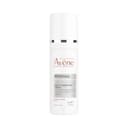
Never used any retinoid:Medik8 Crystal Retinal 1, or the Avène Retrinal 0.05% cream if you would rather have a cream than a serum and a pharmacy brand built around reactive skin. Both print a low figure, which is the only responsible way to start a potent molecule.
Comfortable on a stated 0.3–0.5% retinol: Naturium 0.10%. This is the pick for the majority of people reading this comparison.
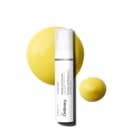
Already on a retinal and want the cheapest step up:The Ordinary Retinal 0.2% Emulsion, which is level with Medik8’s rung 20 at a fraction of the price. It is a 15 ml bottle, so the cost per month is less of a bargain than the cost per bottle suggests, and it is emphatically not a starting point.
Treating neck and chest as well as the face: Naturium again, on volume. Our neck and chest picks explain why coverage beats strength for that area.
What neither brand publishes
Neither one publishes stability data for its own formula. That matters more for retinal than for most actives: the validated study of 16 retinoid derivatives across 12 commercial cosmetics found degradation ranging from none to total over six months, worse with light than with heat — so packaging and storage are a real variable and neither company has shown you its numbers. Both products are opaque and both should live in a drawer rather than on a sunny shelf. Medik8’s listing describes a twin-encapsulated retinaldehyde, which is a formulation claim rather than a published stability result, and we treat it as the former.
Neither publishes a clinical trial of its own product either. Every efficacy expectation on this page comes from the retinoid literature in general, not from a study of these two serums, and anyone telling you one of them “outperformed” the other is telling you something nobody has measured.
How to run either one
Two nights a week for the first fortnight, on dry skin after cleansing, moisturizer over the top, sunscreen every morning, and no acids on the same night while you are settling in. If you are moving to the Naturium from a retinol, treat it as a step up rather than a swap — our step-up guide is the one to read first, and our full retinal roundup covers every stated-strength retinal we list.