How to choose a retinol body lotion
Decide what you are actually treating before you look at a single bottle. The answers point to genuinely different products, and the price range across this page is more than tenfold.
Work out your surface area first
This is the step people skip, and it is the one that determines whether you will still be using the product in three months. If you want to treat both forearms, both upper arms and your chest, you are covering a large area several times a week — you need volume, and a 4 oz bottle will last you a fortnight. If you are treating a single crepey patch on your chest, volume is irrelevant and you can afford something concentrated and expensive.
Run the cost-per-ounce number rather than the sticker price. The most expensive product on this page costs several times more per ounce than the cheapest, and in a category where nobody publishes a strength, you cannot justify that premium on potency grounds. You can justify it on formulation quality and treatment intent — but only if the size matches how you intend to use it.
Match the base to genuinely dry skin
Body skin is usually drier than facial skin, and it is drier still on the shins, forearms and anywhere that gets washed often. That makes the carrier more important here than on the face. A shea butter, cocoa butter or squalane base does real work — emollients and occlusives reduce water loss, and the humectants alongside them hold water in the upper layers. If your body lotion leaves you feeling tight, the retinol in it will make that worse, not better.
This is also why we are relaxed about several products on this list being moisturizers first. On the body, a comfortable lotion you apply generously three nights a week beats a serious treatment you use sparingly because it stings. Our review of the Naturium lotion works through that trade in detail, including the 8 oz versus 14 oz decision, which changes your result here more than any formulation difference on this page.
Treatment or moisturizer? Be honest about which you want
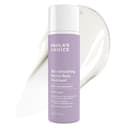
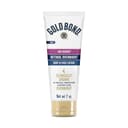
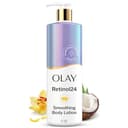
There is a real split in this category. Products like the Paula’s Choice treatment are formulated and priced as targeted retinol treatments in small bottles. Products like the Olay lotion are everyday body moisturizers with retinol folded in, sold in large bottles at drugstore prices. Neither is dishonest; they are answering different questions.
If your goal is visible change on a specific crepey area, buy the treatment and apply it consistently to that area. If your goal is “I moisturize anyway, I may as well get some benefit”, buy the big bottle and use it daily. Trying to treat your whole body with a 4 oz treatment is the expensive way to be disappointed. The exception is the backs of the hands, where 4 oz is plenty and the questions change entirely — our retinol for hands page ranks on the barrier and the stated strength instead of the price per ounce.
Accept that nobody will tell you the strength
We have said it once and it bears repeating, because it changes how you should shop. With no published concentrations anywhere in the category, you cannot compare potency between these products, and any confidence about which is “stronger” would be invented. What you can compare is base quality, supporting actives that the listings do disclose — peptides in the Gold Bond, niacinamide in the Olay, squalane in the Versed — size and price. So that is what we ranked on.
What retinol realistically does for body skin
Set expectations carefully, because this is where body retinol is most oversold. The evidence base for topical retinoids is built overwhelmingly on facial skin, and it supports improvement in fine lines, uneven tone and rough texture over months of consistent use. It is reasonable to expect a similar direction of travel on the body — smoother texture and a modest improvement in crepiness — but slower, because body skin turns over more slowly and the doses in these products are almost certainly conservative.
What body retinol will not do is tighten loose skin, replace lost volume, or remove established stretch marks. Marketing on several products in this category gestures at all three. If sagging rather than surface texture is your concern, no topical will address it, and we would rather say so than sell you a lotion. Our retinol for stretch marks page goes through what the evidence does and does not support there specifically.
How to apply it without wrecking your skin
Use it at night, on dry skin, starting two or three nights a week and building up as your skin allows. Body skin can be more forgiving than facial skin, but the chest and inner arms are thin and flake readily, so introduce those areas especially gradually. Do not apply it immediately after a hot shower or after shaving — both compromise the barrier and increase irritation.
The sunscreen rule applies to your body too, and this is where people slip. Retinol increases sun sensitivity, and arms, chest and shoulders get considerably more incidental sun than most people account for. If you are treating your chest through summer, it needs broad-spectrum protection in daylight, not just a lotion at night. Our how to use retinol guide covers the ramp-up in full, and our safety guide covers the situations where you should not be using it at all.