Retinol Room.

The Ordinary vs CeraVe Retinol

The two budget retinols everyone ends up choosing between. One tells you its strength, the other buffers you with ceramides — and they're built for genuinely different problems.

By Stephen V.Last updated How we pick

These are the two retinols most people actually end up weighing against each other. Both are cheap, both are widely available, both have enormous followings — and they are built on almost opposite philosophies. Choosing between them is straightforward once you know which question you are answering, and confusing if you treat them as interchangeable budget options.

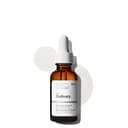
The Ordinary Retinol 0.5% in Squalaneis a bare active with a number on it. You get pure retinol at a stated strength in an oil base, and nothing else — no niacinamide, no ceramides, no soothing extras. Its argument is transparency and control: you know exactly what you are applying, and you can step up or down the three-strength ladder deliberately.

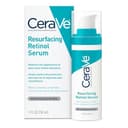
CeraVe Resurfacing Retinol Serumis the opposite trade. You do not get a number — the strength is unpublished — but you do get encapsulated retinol delivered alongside ceramides, niacinamide and licorice root, in a formula aimed specifically at post-acne marks and texture. Its argument is tolerability and purpose-built formulation.

Neither is better in the abstract. Below we rank them for the two most common situations, then set out exactly which one to buy for your skin.

How this is funded:we earn a commission if you buy through our links, at no extra cost to you. It never changes which product we recommend, and we’ll tell you when we’d skip one. Full disclosure.

Quick picks

Ranked on formulation, stated concentration and buyer fit. Select a row to jump to the full write-up. We have not tested these products — here is exactly what we do instead.

#ProductBest forPrice
1
The Ordinary Retinol 0.5% in Squalane

The Ordinary Retinol 0.5% in Squalane

The clearest-labeled retinol you can buy: an exact 0.5% pure retinol in a squalane base, at a price that makes 'start low and go slow' painless. For most people ready to move up from a starter strength, this is the sensible middle rung.

Best for stated strength and control
$9.30 · View on Amazon

Price as of August 11, 2026. #ad How we’re funded

2
CeraVe Resurfacing Retinol Serum

CeraVe Resurfacing Retinol Serum

Encapsulated retinol with ceramides and licorice root, aimed squarely at post-acne marks and texture rather than deep wrinkles. Gentle, barrier-friendly and cheap — but the strength is unstated, so set expectations by what it's for.

Best for marks and sensitive skin
$16.49 · View on Amazon

$21.9925% off

Price as of August 11, 2026. #ad How we’re funded

The picks in full

#1Best for stated strength and control

The Ordinary Retinol 0.5% in Squalane

The clearest-labeled retinol you can buy: an exact 0.5% pure retinol in a squalane base, at a price that makes 'start low and go slow' painless. For most people ready to move up from a starter strength, this is the sensible middle rung.

Strengths

  • Publishes the exact strength — 0.5% — which almost no drugstore retinol does
  • Squalane base is lightly occlusive and cushions irritation
  • Sold in 0.2% / 0.5% / 1% so you can step up deliberately

Trade-offs

  • Pure retinol in an anhydrous oil — no added niacinamide or soothing actives
  • Squalane finish can feel heavy layered over other oils
Key activeRetinol
Stated concentration0.5%
FormatLightweight oil serum
Fragrance-freeYes
Best forNormal, Dry, Not-too-sensitive

Formulation note. Pure retinol dispersed in squalane; no water phase, so none of the pH and packaging fuss vitamin C needs. The strength is printed on the label, which is the exception in this category, not the rule.

Ingredients and claims read from the product listing, on July 18, 2026. “Not published” means the brand does not state that figure.

#2Best for marks and sensitive skin

CeraVe Resurfacing Retinol Serum

Encapsulated retinol with ceramides and licorice root, aimed squarely at post-acne marks and texture rather than deep wrinkles. Gentle, barrier-friendly and cheap — but the strength is unstated, so set expectations by what it's for.

Strengths

  • Ceramides + niacinamide support the barrier while the retinol works
  • Encapsulated delivery is gentler on reactive skin
  • One of the least expensive 'real' retinol serums

Trade-offs

  • Concentration is not published
  • Marketed for marks, not deep wrinkles — set expectations accordingly
Key activeEncapsulated retinol
Stated concentrationNot published
FormatFluid lotion-serum
Fragrance-freeYes
Best forAcne-prone, Normal, Sensitive

Formulation note. Encapsulated retinol + 3 essential ceramides + niacinamide + licorice root extract. The ceramide payload is why it stays tolerable; the retinol strength is not disclosed.

Ingredients and claims read from the product listing, on July 18, 2026. “Not published” means the brand does not state that figure.

The core difference

Everything else follows from one decision each brand made. The Ordinary chose to publish its concentration and strip the formula back. CeraVe chose to withhold the concentration and build a supporting cast around the active.

Strength: stated vs unstated

The Ordinary prints 0.5%on the bottle, and sells 0.2% and 1% alongside it. That is genuinely unusual and genuinely useful: you know where you are starting, you can judge whether a future product is a step up or sideways, and you can progress on a schedule you control. CeraVe publishes no figure, so our spec table says “Not published”.

How much this matters depends on how you shop. If you intend to build a long-term retinol habit and step up over time, the stated number is worth a lot. If you want one bottle that works and never plan to think about percentages, it matters far less. Our strength guide makes the fuller case for caring.

Base: squalane oil vs buffered fluid

The Ordinary’s squalane base is anhydrous — no water phase — which cushions the retinol and sidesteps the stability headaches a water-based formula brings. It is also noticeably oily, and layered over other oils it can feel heavy. Skin that runs oily sometimes dislikes it.

CeraVe’s fluid lotion-serum base carries the encapsulated retinol alongside three ceramides and niacinamide. The encapsulation releases the active more gradually, and the ceramides and niacinamide support the barrier while it works. That combination is why it tends to be the more comfortable of the two on reactive skin, and why it appears in our sensitive-skin roundup.

What each is actually aimed at

This is the difference people most often miss. The Ordinary’s retinol is a general-purpose retinoid — use it for lines, texture, tone, whatever you like. CeraVe’s is marketed specifically for post-acne marks and texture, and the formulation reflects that: licorice root for tone, ceramides for a barrier that acne treatments have often already stressed.

If your concern is the marks left behind after breakouts, CeraVe is the more precisely aimed product and it is not close. If your concern is fine lines and general photoaging, The Ordinary’s stated strength is the more useful tool. Our retinol for acne and retinol for wrinkles pages cover those two jobs in depth.

Which should you buy?

Buy The Ordinary if: you want to know your strength; you plan to step up over time; your main concern is lines, texture or general anti-aging; your skin is normal to dry and does not mind an oil base; or you simply want the cheapest competent retinol with a number on it.

Buy CeraVe if: your main concern is post-acne marks or congestion; your skin is sensitive, reactive or already stressed by acne treatments; you prefer a lighter, non-oily texture; or you would rather have buffering built in than have a number you will not use.

Buy neither ifyou have never used a retinoid and your skin is nervous — The Ordinary’s 0.2% is the gentler entry point on the same ladder, and our beginner picks cover the alternatives. And if you have already outgrown a 0.5%, the high-strength page is where to go next.

Can you use both?

You can, but not in the same routine, and for most people there is little point. Two retinol products applied together is simply more retinol with more irritation and no additional benefit — the classic way to over-do it while believing you are being thorough.

The one sensible version of using both is sequential rather than simultaneous: CeraVe while your skin is adjusting or while you are treating active marks, then The Ordinary once your skin is settled and you want to move to a known, adjustable strength. Alternating them on different nights is also workable if you find one drying in winter and the other too light in summer — but keep it to one retinoid per evening. Our layering guide covers what else can safely share a routine.

The bottom line

Two genuinely good cheap retinols answering different questions. The Ordinary is the better buy for anyone who wants control and a long-term plan; CeraVe is the better buy for marks, congestion and skin that reacts. Both are inexpensive enough that choosing wrong is a recoverable mistake — which is a good deal more than can be said for most of this aisle. For fuller write-ups, see our The Ordinary retinol review and CeraVe resurfacing serum review.

Frequently asked questions

Which is stronger, The Ordinary or CeraVe retinol?

We can't tell you, and nobody honestly can. The Ordinary states 0.5%; CeraVe doesn't publish a figure at all. Comparing a known strength against an unknown one isn't possible, and anyone claiming a definitive answer is guessing. What we can say is that CeraVe's encapsulated delivery and ceramide buffering make it the more comfortable of the two for most reactive skin.

Which is better for acne scars and marks?

CeraVe, clearly. It's formulated and marketed for post-acne marks and texture specifically, pairing encapsulated retinol with ceramides, niacinamide and licorice root — a supporting cast aimed at tone and at a barrier that acne treatments have usually already stressed. The Ordinary's retinol will help with marks too, but it's a general-purpose retinoid rather than a targeted one.

Which is better for wrinkles?

The Ordinary, mostly because of the stated strength. Fine lines and photoaging respond to consistent retinol use over months, and knowing your concentration lets you progress deliberately as your tolerance builds. CeraVe will do useful work here as well, but you're operating without a number, which makes long-term progression guesswork.

Which is gentler on sensitive skin?

CeraVe, in most cases. Encapsulated retinol releases more gradually, and the three ceramides plus niacinamide support the barrier while the active works. The Ordinary's squalane base cushions well but the formula includes no soothing actives at all. That said, both are worth introducing at two nights a week regardless of which you choose.

Can I use The Ordinary and CeraVe retinol together?

Not in the same routine — that's just more retinol with more irritation and no extra benefit. If you want to use both, do it sequentially: CeraVe while adjusting or while treating marks, The Ordinary once settled and ready for a known strength. Alternating on different nights is fine too, but stick to one retinoid per evening.

Is the price difference meaningful?

Both are inexpensive by any standard for this category, and the gap between them is small enough that it shouldn't decide your purchase. Buy the one that matches your skin and your goal — the difference between the right product and the wrong one will cost you far more in wasted months than the difference in price will.

Sources

Keep reading