Retinol Room.

Retinol and Rosacea

The most cautious page on this site. Retinol can flare rosacea, the treatments with real evidence are prescriptions, and for a lot of people the honest answer here is not a product recommendation at all.

By Stephen V.Last updated How we pick

This page exists because a lot of people with rosacea end up on retinol pages, and most of those pages are written as though rosacea were simply a variety of sensitive skin. It is not. It is a chronic inflammatory condition of the face with a strong tendency to flare, and the barrier it presents is already compromised in ways that make retinoids genuinely risky.

So the honest headline is: for most people with active rosacea, a retinol is not the right next purchase.Dermatology guidance for rosacea centers on trigger avoidance, deliberately gentle skin care, daily sun protection and, where treatment is needed, prescription options — azelaic acid among the commonly used topicals for acne-like breakouts. Retinol does not appear in that hierarchy, and adding an ingredient whose normal adjustment period is redness and stinging to a condition defined by redness and stinging is a poor bet.

There is a narrower case where a retinoid can be considered, and it is worth stating fairly: people whose rosacea is well controlled and quiet, who also have photoaging they want to address, sometimes reintroduce a very gentle retinoid successfully — slowly, buffered, and ideally with a clinician who knows their history. That is the situation the picks below are chosen for. They are the gentlest formulations we would consider, not a recommendation that everyone with rosacea should be using one.

Retinol Room is written by an enthusiast, not a dermatologist. Rosacea is a diagnosis, it has look-alikes, and the treatments with the best evidence require a prescription. If you have not had it confirmed, that is the most useful thing on this page.

How this is funded:we earn a commission if you buy through our links, at no extra cost to you. It never changes which product we recommend, and we’ll tell you when we’d skip one. Full disclosure.

Quick picks

Ranked on formulation, stated concentration and buyer fit. Select a row to jump to the full write-up. We have not tested these products — here is exactly what we do instead.

#ProductBest forPrice
1
Versed Press Restart Gentle Encapsulated Retinol Serum

Versed Press Restart Gentle Encapsulated Retinol Serum

One of the few products that puts the delivery system in the product name rather than burying it: encapsulated retinol, with bakuchiol alongside, in a light face serum at a genuinely low price. A sensible gentle route in, provided you accept an unstated dose.

Gentlest option to consider
$19.99 · View on Amazon

Price as of August 12, 2026. #ad How we’re funded

2
The Ordinary Granactive Retinoid 2% Emulsion

The Ordinary Granactive Retinoid 2% Emulsion

Not retinol at all, but a retinoid ester (hydroxypinacolone retinoate) marketed as gentler. A reasonable option for skin that flakes on plain retinol — with the honest caveat that its evidence base is thinner than retinol's.

Best if plain retinol stings
$12.10 · View on Amazon

Price as of August 12, 2026. #ad How we’re funded

3
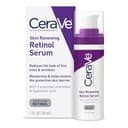
CeraVe Retinol Serum with Niacinamide & Hyaluronic Acid

CeraVe Retinol Serum with Niacinamide & Hyaluronic Acid

CeraVe's other retinol serum, and the one people buy by accident when they meant the Resurfacing one. This is the anti-aging version — retinol with niacinamide, hyaluronic acid and ceramides in a fluid base, aimed at fine lines and dullness rather than post-acne marks.

Best barrier-supporting formula
$20.44 · View on Amazon

$24.9918% off

Price as of August 12, 2026. #ad How we’re funded

4
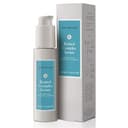
Naturium Retinol Complex Serum

Naturium Retinol Complex Serum

Blends encapsulated retinol with bakuchiol, a plant extract with retinol-adjacent research, to soften the ramp-up. A reasonable gentle middle option — with an unstated retinol dose you're taking on trust.

Best encapsulated pairing
$14.69 · View on Amazon

$20.9930% off

Price as of August 12, 2026. #ad How we’re funded

5
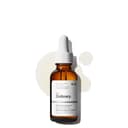
The Ordinary Retinol 0.2% in Squalane

The Ordinary Retinol 0.2% in Squalane

The gentlest true-retinol starting point on the shelf: a stated 0.2% in the same cushioning squalane base. If you have never used a retinoid, this is where to begin before touching anything stronger.

Lowest stated strength
$8.10 · View on Amazon

Price as of August 12, 2026. #ad How we’re funded

The picks in full

#1Gentlest option to consider

Versed Press Restart Gentle Encapsulated Retinol Serum

One of the few products that puts the delivery system in the product name rather than burying it: encapsulated retinol, with bakuchiol alongside, in a light face serum at a genuinely low price. A sensible gentle route in, provided you accept an unstated dose.

Strengths

  • Encapsulation is stated on the listing, not implied by marketing adjectives
  • Bakuchiol alongside the retinol for a softer on-ramp
  • Light texture and a low price for a face serum

Trade-offs

  • Retinol percentage is not published
  • Bakuchiol's evidence base is far thinner than retinol's — treat it as tolerability, not potency
Key activeEncapsulated retinol + bakuchiol
Stated concentrationNot published
FormatLight serum
Fragrance-freeNot published
Best forSensitive, Beginner, Normal

Formulation note. Encapsulated retinol paired with bakuchiol, per the listing. Encapsulation holds the retinol in a carrier that releases it more gradually, which tends to lower irritation for a given amount of active. The amount itself is not stated.

Ingredients and claims read from the product listing, on August 11, 2026. “Not published” means the brand does not state that figure.

#2Best if plain retinol stings

The Ordinary Granactive Retinoid 2% Emulsion

Not retinol at all, but a retinoid ester (hydroxypinacolone retinoate) marketed as gentler. A reasonable option for skin that flakes on plain retinol — with the honest caveat that its evidence base is thinner than retinol's.

Strengths

  • Retinoid ester is widely reported as less irritating than pure retinol
  • Stated 2% of the Granactive Retinoid complex — a labeled figure
  • Light emulsion texture layers easily

Trade-offs

  • Hydroxypinacolone retinoate has far less published evidence than retinol
  • The '2%' is the complex, not 2% retinol — don't read it as high-strength
Key activeGranactive Retinoid (hydroxypinacolone retinoate)
Stated concentration2% Granactive Retinoid complex
FormatLight emulsion
Fragrance-freeYes
Best forSensitive, Retinol-reactive

Formulation note. The active is hydroxypinacolone retinoate, a retinoic-acid ester — not free retinol. The '2%' refers to the solubilized complex, not a retinol percentage. We present it as a gentler alternative with a smaller evidence base, not an equal to retinol.

Ingredients and claims read from the product listing, on July 18, 2026. “Not published” means the brand does not state that figure.

#3Best barrier-supporting formula

CeraVe Retinol Serum with Niacinamide & Hyaluronic Acid

CeraVe's other retinol serum, and the one people buy by accident when they meant the Resurfacing one. This is the anti-aging version — retinol with niacinamide, hyaluronic acid and ceramides in a fluid base, aimed at fine lines and dullness rather than post-acne marks.

Strengths

  • Niacinamide, hyaluronic acid and ceramides do real buffering work
  • Fluid, lightweight texture that layers under a moisturizer easily
  • Drugstore price from a brand with a strong barrier-formulation record

Trade-offs

  • Retinol concentration is not published
  • Easy to confuse with CeraVe's Resurfacing serum, which is a different product for a different job
Key activeRetinol + niacinamide + hyaluronic acid
Stated concentrationNot published
FormatFluid serum
Fragrance-freeNot published
Best forNormal, Dry, Sensitive

Formulation note. Retinol paired with niacinamide, hyaluronic acid and CeraVe's ceramide complex. The supporting cast is the point: the barrier ingredients are what let a retinol sit comfortably on skin that reacts. The retinol figure itself is undisclosed.

Ingredients and claims read from the product listing, on August 11, 2026. “Not published” means the brand does not state that figure.

#4Best encapsulated pairing

Naturium Retinol Complex Serum

Blends encapsulated retinol with bakuchiol, a plant extract with retinol-adjacent research, to soften the ramp-up. A reasonable gentle middle option — with an unstated retinol dose you're taking on trust.

Strengths

  • Bakuchiol pairing aims to reduce early irritation
  • Encapsulated retinols for a slower release
  • Inexpensive for the category

Trade-offs

  • Retinol percentage is not published
  • Bakuchiol's evidence base is smaller than retinol's — treat it as support, not a replacement
Key activeRetinol + bakuchiol
Stated concentrationNot published
FormatLightweight serum
Fragrance-freeYes
Best forNormal, Combination, Cautious beginners

Formulation note. Encapsulated retinols + bakuchiol. Bakuchiol has a few supportive studies but a fraction of retinol's evidence; we present it as an adjunct, not an equal.

Ingredients and claims read from the product listing, on July 18, 2026. “Not published” means the brand does not state that figure.

#5Lowest stated strength

The Ordinary Retinol 0.2% in Squalane

The gentlest true-retinol starting point on the shelf: a stated 0.2% in the same cushioning squalane base. If you have never used a retinoid, this is where to begin before touching anything stronger.

Strengths

  • Stated 0.2% — a genuine beginner strength, plainly labeled
  • Squalane base softens the early dryness
  • About as cheap as effective retinol gets

Trade-offs

  • Too gentle to be anyone's long-term destination — you'll want to step up
  • Still pure retinol, so introduce it slowly regardless of the low number
Key activeRetinol
Stated concentration0.2%
FormatLightweight oil serum
Fragrance-freeYes
Best forSensitive, Beginner, Normal

Formulation note. 0.2% pure retinol in squalane — the entry rung of The Ordinary's three-strength ladder. Starting here and moving to 0.5% only once nightly use is comfortable is the textbook way to build tolerance.

Ingredients and claims read from the product listing, on July 18, 2026. “Not published” means the brand does not state that figure.

Why retinol and rosacea are a difficult pairing

Rosacea-prone skin tends to have a weaker barrier and a lower threshold for inflammation than average. Retinoids, by design, accelerate cell turnover and transiently disrupt the barrier while skin adjusts — that is what the first fortnight of dryness and flaking is. On most faces that settles. On rosacea-prone skin it can instead trigger a flare, and a flare can outlast the product by weeks.

There is also a diagnostic trap. Rosacea’s papulopustular form produces acne-like bumps, so people reach for the products they associate with acne — retinoids, exfoliating acids, benzoyl peroxide — and most of that category makes rosacea worse. If your “acne” comes with persistent central-face redness, flushing, visible vessels or a burning sensation, the treatment plan is not an acne plan. Our retinol for acne page covers the other branch of that fork.

What actually helps rosacea

Dermatology guidance is fairly consistent on the foundations, and none of it involves a retinol:

  • Identify and avoid your triggers. They vary by person and commonly include sun, heat, alcohol, spicy food and stress.
  • Cleanse very gently, twice a day, with a mild non-soap cleanser applied with fingertips and rinsed with lukewarm water.
  • Moisturize. Barrier-repair moisturizers are associated with better outcomes from rosacea treatment, not merely better comfort.
  • Daily broad-spectrum SPF 30 or higher. Sun is among the most common flare triggers; fragrance-free mineral formulas with zinc oxide or titanium dioxide tend to be best tolerated.
  • Drop astringents and toners, and avoid products containing menthol, camphor or sodium lauryl sulfate.
  • See a dermatologist for treatment.Prescription options exist for redness, for visible vessels and for the acne-like breakouts — azelaic acid is a common topical for the latter.

If you still want to try a retinoid

Do it only when your rosacea is quiet — not mid-flare, not “mostly fine”. Then treat the introduction as far more cautious than any other page on this site would suggest:

  1. Ask first. If you are under treatment, ask the clinician managing it. This is the single highest-value step and it is free.
  2. Patch-test for a fortnight on a small area, not the whole face, and not on the most reactive central zone.
  3. Start at once a week. Not twice. Increase only after a month without any reaction at all.
  4. Sandwich it.Moisturizer, then a small amount of product, then moisturizer again — see our sandwich method guide. The reduced intensity is the entire point here.
  5. Change nothing else. One variable at a time, so that if something flares you know what caused it.
  6. Stop at the first flush, sting or spread of redness.With rosacea there is no “push through it” phase. Irritation is the condition getting worse, not tolerance being built.

Better-suited alternatives

If the goal is fine lines and tone rather than breakouts, several actives carry less flare risk. Niacinamidesupports the barrier and has published evidence for tone and texture — it is the most obvious first move, and our retinol vs niacinamide page covers it. Bakuchiol has one good head-to-head trial against retinol showing comparable improvement with less scaling and stinging, though a much thinner evidence base overall; see retinol vs bakuchiol. Peptides are gentle and their evidence is modest — covered on retinol vs peptides. And a well-formulated sunscreen used daily does more for the long-term appearance of rosacea-prone skin than any of them.

Our full alternatives roundup ranks these by the strength of the evidence rather than by marketing.

What we are not going to tell you

We are not going to tell you that a gentle retinol is “safe for rosacea”. Nobody selling one can know that about your face. We are not going to present the picks above as a treatment for rosacea — they are not, and none of them is indicated for it. And we are not going to pretend that the flushing, visible vessels or ocular symptoms some people get are addressable with anything sold over the counter. This is general guidance, not medical advice, and rosacea is the clearest case on this site for seeing someone qualified.
Frequently asked questions

Can you use retinol if you have rosacea?

Often not, and never as a first move. Retinoids transiently disrupt the barrier while skin adjusts, and rosacea-prone skin already has a lower threshold for inflammation — so the normal adjustment period can instead become a flare. Some people whose rosacea is well controlled reintroduce a very gentle retinoid successfully, slowly and buffered, ideally with a clinician's input.

Does retinol make rosacea worse?

It can. The redness, stinging and flaking that most people accept as a retinol adjustment period are the same symptoms rosacea produces, and in rosacea-prone skin they can escalate into a flare that outlasts the product. If you try a retinoid and flush or sting, that isn't tolerance being built — stop, rather than pushing through.

What should I use instead of retinol for rosacea?

Start with the foundations dermatologists actually recommend: a very gentle non-soap cleanser, a barrier-repair moisturizer, daily broad-spectrum SPF 30 or higher — mineral formulas tend to be best tolerated — and trigger avoidance. For anti-aging goals specifically, niacinamide is the most sensible active, with bakuchiol and peptides as gentler alternatives. For treatment, see a dermatologist.

Is my acne actually rosacea?

It's worth checking. Rosacea's papulopustular form produces acne-like bumps, but comes with persistent central-face redness, flushing, visible vessels or a burning sensation. The distinction matters because much of the standard acne toolkit — retinoids, exfoliating acids, benzoyl peroxide — tends to make rosacea worse. A dermatologist can tell them apart; a product page can't.

Is azelaic acid better than retinol for rosacea?

For rosacea specifically, azelaic acid is among the topicals dermatologists commonly use for the acne-like breakouts, and retinol isn't part of that guidance at all. They're not competing for the same job: retinol is a photoaging ingredient being borrowed, azelaic acid is a rosacea treatment. If breakouts are the problem, that's a conversation to have with a clinician.

How do I patch-test a retinoid with rosacea?

Apply a small amount to a limited area away from the most reactive central face — the jawline or in front of the ear — every other night for two weeks, changing nothing else in your routine. Any flushing, stinging or spreading redness means stop. Passing a patch test isn't a guarantee for the whole face, but failing one saves you a flare.

Sources

Keep reading