Retinol Room.

Retinol for Dark Spots & Hyperpigmentation

Does retinol fade dark spots? Yes, slowly — how it works, why vitamin C and daily SPF do the heavy lifting, and a realistic timeline.

By Stephen V.Last updated How we pick

Does retinol help with dark spots? Yes, but slowly and with help. Retinol fades hyperpigmentation — sun spots, and the marks left after breakouts — by speeding up your skin’s turnover, so the pigment-heavy cells at the surface shed and are replaced faster than they would on their own. It is a legitimate tool for uneven tone, just not a fast or standalone one.

Two things make or break the result. The first is daily sunscreen: dark spots are usually driven by UV exposure, so without diligent broad-spectrum SPF, fresh sun simply lays down new pigment as fast as retinol clears the old — the FDA is blunt that sunscreen is central to limiting sun-related skin changes. The second is pairing: retinol at night and a vitamin C antioxidant in the morning is a well-worn combination, because they work on tone from different angles without competing in the same routine.

Set your expectations by the calendar. Pigment turns over gradually, so meaningful fading usually takes several months of steady, near-nightly use, and deeper or hormonal pigmentation (melasma) is stubborn enough that it often needs a dermatologist. Start low, moisturize, and protect the result every single morning.

How this is funded:we earn a commission if you buy through our links, at no extra cost to you. It never changes which product we recommend, and we’ll tell you when we’d skip one. Full disclosure.

Quick picks

Ranked on formulation, stated concentration and buyer fit. Select a row to jump to the full write-up. We have not tested these products — here is exactly what we do instead.

#ProductBest forPrice
1
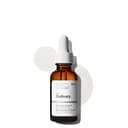
The Ordinary Retinol 0.5% in Squalane

The Ordinary Retinol 0.5% in Squalane

The clearest-labeled retinol you can buy: an exact 0.5% pure retinol in a squalane base, at a price that makes 'start low and go slow' painless. For most people ready to move up from a starter strength, this is the sensible middle rung.

Best overall
$9.30 · View on Amazon

Price as of July 19, 2026. #ad How we’re funded

2
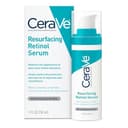
CeraVe Resurfacing Retinol Serum

CeraVe Resurfacing Retinol Serum

Encapsulated retinol with ceramides and licorice root, aimed squarely at post-acne marks and texture rather than deep wrinkles. Gentle, barrier-friendly and cheap — but the strength is unstated, so set expectations by what it's for.

Best for post-acne marks
$18.68 · View on Amazon

$21.9915% off

Price as of July 19, 2026. #ad How we’re funded

3
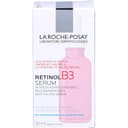
La Roche-Posay Pure Retinol Face Serum (B3 + HA)

La Roche-Posay Pure Retinol Face Serum (B3 + HA)

Pairs pure retinol with niacinamide and hyaluronic acid, so the buffering that reduces flaking is built into the formula rather than something you layer yourself. The gentlest 'serious' retinol here — for skin that dries out on plainer options.

Best buffered
$44.99 · View on Amazon

Price as of July 19, 2026. #ad How we’re funded

The picks in full

#1Best overall

The Ordinary Retinol 0.5% in Squalane

The clearest-labeled retinol you can buy: an exact 0.5% pure retinol in a squalane base, at a price that makes 'start low and go slow' painless. For most people ready to move up from a starter strength, this is the sensible middle rung.

Strengths

  • Publishes the exact strength — 0.5% — which almost no drugstore retinol does
  • Squalane base is lightly occlusive and cushions irritation
  • Sold in 0.2% / 0.5% / 1% so you can step up deliberately

Trade-offs

  • Pure retinol in an anhydrous oil — no added niacinamide or soothing actives
  • Squalane finish can feel heavy layered over other oils
Key activeRetinol
Stated concentration0.5%
FormatLightweight oil serum
Fragrance-freeYes
Best forNormal, Dry, Not-too-sensitive

Formulation note. Pure retinol dispersed in squalane; no water phase, so none of the pH and packaging fuss vitamin C needs. The strength is printed on the label, which is the exception in this category, not the rule.

Ingredients and claims read from the product listing, on July 18, 2026. “Not published” means the brand does not state that figure.

#2Best for post-acne marks

CeraVe Resurfacing Retinol Serum

Encapsulated retinol with ceramides and licorice root, aimed squarely at post-acne marks and texture rather than deep wrinkles. Gentle, barrier-friendly and cheap — but the strength is unstated, so set expectations by what it's for.

Strengths

  • Ceramides + niacinamide support the barrier while the retinol works
  • Encapsulated delivery is gentler on reactive skin
  • One of the least expensive 'real' retinol serums

Trade-offs

  • Concentration is not published
  • Marketed for marks, not deep wrinkles — set expectations accordingly
Key activeEncapsulated retinol
Stated concentrationNot published
FormatFluid lotion-serum
Fragrance-freeYes
Best forAcne-prone, Normal, Sensitive

Formulation note. Encapsulated retinol + 3 essential ceramides + niacinamide + licorice root extract. The ceramide payload is why it stays tolerable; the retinol strength is not disclosed.

Ingredients and claims read from the product listing, on July 18, 2026. “Not published” means the brand does not state that figure.

#3Best buffered

La Roche-Posay Pure Retinol Face Serum (B3 + HA)

Pairs pure retinol with niacinamide and hyaluronic acid, so the buffering that reduces flaking is built into the formula rather than something you layer yourself. The gentlest 'serious' retinol here — for skin that dries out on plainer options.

Strengths

  • Niacinamide + glycerin + hyaluronic acid buffer the retinol's dryness
  • Fragrance-free, from a brand built around reactive skin
  • Well-tolerated texture that layers cleanly under moisturizer

Trade-offs

  • Does NOT publish the retinol percentage — you're trusting the brand
  • Among the pricier options for an unstated strength
Key activeRetinol
Stated concentrationNot published
FormatSilky lotion-serum
Fragrance-freeYes
Best forSensitive, Dry, Normal

Formulation note. Pure retinol + niacinamide (vitamin B3) + hyaluronic acid. The support actives are the selling point; the retinol strength itself is not disclosed, which we flag rather than guess.

Ingredients and claims read from the product listing, on July 18, 2026. “Not published” means the brand does not state that figure.

Why retinol needs a partner for dark spots

Retinol works on pigment indirectly, by clearing pigment-laden cells faster than usual. It does not shut off the process that makes the pigment in the first place, which is exactly why the routine you build around it decides the result.

Sunscreen is the non-negotiable half

This is the single biggest lever, and it is not optional. Most dark spots are UV-driven, so if you skip daily protection you are fading old pigment while the sun deposits new pigment in the same places — a treadmill you cannot win. The FDA’s guidance is to use a broad-spectrum sunscreen and reapply it, and on retinol — which raises sun sensitivity — that goes double. No sunscreen, no lasting fade.

Vitamin C in the morning

The common, sensible pairing is a vitamin C antioxidant in the morning and retinol at night. Splitting them means two active ingredients that both help with tone are not fighting for space in the same routine, and the morning antioxidant also supports your sunscreen. You do not need a ten-step regimen — cleanser, vitamin C, sunscreen by day; cleanser, retinol, moisturizer by night is plenty.

A realistic timeline for fading spots

Pigment is patient, so you should be too. The first few weeks are adjustment, not progress — often a little dryness while skin gets used to the active. Tone usually starts to look more even somewhere after the first month or two, and actual spots tend to lighten over several months of near-nightly use. If you stop using retinol or stop protecting your skin, sun exposure brings the discoloration back, so treat this as maintenance rather than a course you finish. Start with a stated low-to-moderate strength or a buffered formula, build up slowly, and keep the routine simple. For the how-to details, see our guide to using retinol or the broader retinol hub. One honest caveat: deep or hormonal pigmentation such as melasma is stubborn and can worsen with the wrong approach — that is a dermatologist’s call, not a shelf experiment. This is general information, not medical advice.
Frequently asked questions

Does retinol fade dark spots?

Yes, gradually. Retinol speeds up skin's turnover so pigment-heavy surface cells shed and are replaced faster, which lightens sun spots and post-acne marks over time. It's a slow, cumulative effect measured in months, and it works far better when paired with daily sunscreen than on its own.

How long does retinol take to fade hyperpigmentation?

Usually several months. The first few weeks are mostly adjustment, tone tends to look more even after a month or two, and individual spots lighten over the months that follow with near-nightly use. Consistency and daily SPF matter more than strength — without sun protection, new pigment replaces what you clear.

Should I use retinol or vitamin C for dark spots?

Both, at different times. The common approach is vitamin C in the morning and retinol at night, so two tone-evening actives don't compete in one routine and the morning antioxidant supports your sunscreen. They address pigment from different angles, which is why pairing them tends to work better than choosing one.

Can retinol make dark spots worse?

It can if you skip sunscreen. Retinol increases sun sensitivity, so unprotected sun exposure while you use it can deepen existing spots and create new ones. Used with daily broad-spectrum SPF it fades pigment; used without, it can backfire. Introduce it slowly, since irritation can also leave marks on some skin.

Does retinol help with melasma?

Sometimes, but cautiously. Melasma is a deeper, often hormonal pigmentation that's more stubborn than everyday sun spots and can worsen with aggressive treatment. Retinol may be part of a plan, but this is a case for a dermatologist rather than a self-directed routine. This is general information, not medical advice.
Sources

Keep reading