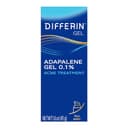
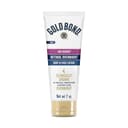
Why adapalene and not retinol
Adapalene is not a stronger retinol. It is a different molecule with a different regulatory status: in the United States it is sold over the counter as an acne treatment, which means it carries an approved indication for the exact thing you are trying to treat. Retinol carries no indication for anything, because cosmetics do not have indications.
The evidence difference is the part that matters. A meta-analysis of five randomized trials found adapalene 0.1% gel to have efficacy similar to prescription tretinoin 0.025% gel with better local tolerability. There is no comparable body of randomized evidence for any cosmetic retinol in acne, and there is unlikely ever to be, because nobody runs those trials on cosmetics.
The AAD’s own acne treatment guidance puts topical retinoids and benzoyl peroxide at the centre of over-the-counter acne management, and its 2024 guideline summary reflects the same hierarchy. A retinol body lotion is not in that conversation. Our retinol vs adapalene comparison works through the molecular and regulatory difference in full, and our page on retinol for acne does the same for the face.
The scarring argument, which is the strongest reason to treat early
Treating active acne is not only about the spots you have. A randomized, investigator-blinded, vehicle-controlled split-face trial in 67 subjects with moderate or severe acne and ten or more atrophic scars found that 24 weeks of daily adapalene 0.3% / benzoyl peroxide 2.5% gel changed total scar count by −15.5% on the treated side against +14.4% on the vehicle side — roughly a 30% difference. The authors open by noting how few trials have looked at this at all.
That was a face trial with a prescription-strength combination, so it does not transfer directly to your back or to the over-the-counter 0.1% gel. What it supports is the principle, and the AAD states the principle plainly: where breakouts are still present, the treatment plan begins with treating the acne, because stopping breakouts reduces inflammation and prevents new scars. Clearing the back now is the scar-prevention strategy.
Marks versus scars, because they are not the same thing
This distinction decides whether a retinol can help you at all, and the AAD is explicit about it: a flat spot of color left behind when acne clears usually is not a scar— it is post-inflammatory pigment change. A scar is a permanent change in the skin’s structure, and most people who scar develop depressed, sunken ones.
- Flat brown or red marks. Pigment and vascular changes. These fade on their own over months, and a retinoid plus daily sun protection can help them fade faster. This is the one a body retinol is genuinely for.
- Rough, bumpy texture. Also within reach, and the thing a retinoid addresses most directly anywhere on the body.
- Depressed or raised scars.Out of reach of any lotion. The AAD lists the treatments for these and they are all procedural — peels, fillers, laser resurfacing, microneedling, radiofrequency, surgery — and it notes medical insurance does not cover them.
The AAD also says the discoloration over a scar usually fades while the scar itself remains, which is why people report that a cream “stopped working” after a few months. It did what it could do. Our page on retinol for acne scars takes this apart properly, and retinol for dark spots covers the pigment side.
The criteria for a back product
- Volume first.A back, shoulders and upper arms is a large surface. At 200–450 ml these lotions are the right order of magnitude; a 30 ml face serum is not, and stretching one is how people end up treating a quarter of the problem.
- Cost per ounce, not cost per bottle. This is a months-long habit over a large area. Work it out from the live prices and the sizes in the table above.
- A base that will not make breakouts worse. Heavy, rich body butters on a breakout-prone back are a bad trade. A lighter lotion that absorbs is better here even if a thicker one would be better on dry shins.
- Fragrance-free wins where it exists. Backs sit against fabric all day and sweat under it. Fewer added irritants is straightforwardly better, and fragrance is the most common avoidable one.
- Applicable to a surface you cannot see. A lotion you can sweep with the back of a hand or a long-handled applicator beats a precision treatment every time.
Our body lotion roundup ranks the wider category on exactly these terms, and this page is the acne-specific cut of it.
What to actually do, in order
- Treat the active acne first, with adapalene, and give it twelve weeks before judging it. Retinoids make acne look worse before better; on a back that is easy to tolerate because you are not looking at it in a mirror every morning.
- Add benzoyl peroxide if you tolerate it,which is standard over-the-counter acne practice — just not in the same application as the retinoid, and bear in mind it bleaches fabric. Towels, sheets and shirts.
- Change what sits against your back. Shower after exercise rather than later, and do not sit in a damp shirt. This is unglamorous and it does more for a sweat-aggravated back than any product on this page.
- Once the breakouts are controlled, switch to a retinol lotion for the marks and the texture. Two or three nights a week to start, then more if nothing flakes.
- Protect it from sun, which is the step everyone skips on their back. Post-inflammatory pigment darkens with exposure, so a summer of bare shoulders will undo months of fading.
Do not use both at once to start
An adapalene gel and a retinol lotion on the same skin is two retinoids running two adjustment periods with no way to attribute either the improvement or the irritation. Sequence them. Our layering guide has the compatibility table for everything else.
When to see a dermatologist instead
Deep, painful nodules and cysts on the back, acne that is already leaving sunken scars, breakouts that have not responded to three months of over-the-counter treatment, or acne distributed in a way that changed suddenly. The AAD lists deep painful acne, a close blood relative with acne scars, and picking or squeezing as the things that raise scarring risk — and body acne that scars is a reason to get prescription help early rather than to work through a shelf of lotions. Nothing on this page is a substitute for that appointment.
Bumpy, rough skin on the backs of the arms and shoulders that has never been inflamed and never came to a head is probably not acne at all. See our keratosis pilaris page— the products overlap, the mechanism does not.