The rules for giving retinol
1. Never give a high strength to a beginner
A stated 1% retinol is a genuinely strong product. Given to someone with no retinoid history, the likely outcome is two weeks of dryness and a decision that retinol is not for them. If you know for certain the recipient already uses a retinoid nightly and wants to step up, a high strength is a thoughtful gift. If you are guessing, it is not. Our strength and percentage guide explains what the numbers mean.
2. Prefer a stated strength over a mystery complex
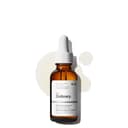
A product that prints its percentage lets the recipient place it on a ladder and know what they are starting with. A “retinol complex” with no number on the box gives them a bottle and a guess. Since you cannot ask without ruining the surprise, a stated low strength is the safer thing to put in someone’s hands.
3. Buy the buffered version
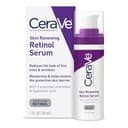
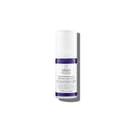
Formulas built around niacinamide, ceramides or an encapsulated delivery are more forgiving of an inexperienced user who applies too much on the first night — which is what almost everyone does. Gentleness is the feature you are buying here.
4. Do not gift retinol to someone who is pregnant or breastfeeding
Retinoids are avoided in pregnancy, and a gift the recipient cannot use is worse than no gift at all. Our safety guide covers the circumstances where retinoids are off the table, and our alternatives page has substitutes that make better presents in that situation.
What to give, by budget
Under $15 — the stocking filler
At this price you are buying a stated beginner strength in plain packaging. It will not look impressive under a tree, and it is genuinely the most useful thing on this list for someone starting out: a low, labeled percentage in a cushioning base for the price of a coffee round. Pair it with a good plain moisturizer and you have given a complete, sensible starting routine for very little money.
$15–$30 — the safe bet
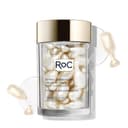
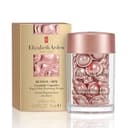
This bracket is where the buffered drugstore serums live, and it is where most gifts should land. You get niacinamide, ceramides or encapsulation doing the work that keeps a first retinol comfortable, from brands the recipient will recognize. Single-dose capsules also start here, and they are the sleeper gift of the category: they look considered, they solve the “how much do I use” problem, and each dose is airtight.
$30–$60 — the proper present
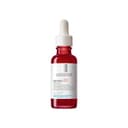
Pharmacy and prestige-adjacent brands, better packaging, and formulas where the supporting cast is doing genuine work rather than filling out an ingredient list. This is the bracket where a retinol reads unmistakably as a gift rather than a top-up.
$60 and up — the splurge
Be honest with yourself about what the extra money buys. It is rarely a higher dose; it is usually better packaging, a more elegant texture, and a brand the recipient would not buy for themselves — which, for a gift, is a perfectly good reason. What it is not is a bigger result. A stated 0.5% retinol for ten dollars and a premium serum at eighty are closer in outcome than the price gap suggests.
What we would not wrap
Generic multi-piece “anti-aging kits”. The category is full of unbranded four- and six-piece sets at suspiciously low prices, where the retinol content is unstated and the other items are filler. They look generous and deliver very little.
Anything at maximum strength.Covered above, and worth repeating because “maximum” on a box reads as a better gift and behaves like a worse one.
Jars of retinol as a centerpiece gift. Retinol degrades with exposure to light and air, and a wide-mouthed jar opened nightly is the worst packaging for it. It is a fine formulation choice for a moisturizer and a poor one for the active you are giving.
A retinol for someone with rosacea or actively irritated skin, unless you know they have specifically asked for one. Our rosacea page explains why.
How to give it well
Include a card with three lines: use it at night, start twice a week, wear sunscreen in the morning. That single sentence prevents most of the bad first experiences people have with retinol, and it costs nothing. If you want to be genuinely useful, add a plain fragrance-free moisturizer to the parcel — buffering is the difference between a gift that gets used and one that gets abandoned in week two. Our beginner guide is a reasonable thing to point someone at if they want more than three lines.
What to put in the parcel with it
Neither is a retinol, and that is the point: the moisturizer is the buffering layer that keeps a first retinoid comfortable, and the roller is the thing that makes a bad week survivable. Both are cheap enough to add to any bracket above.
The sandwich layer
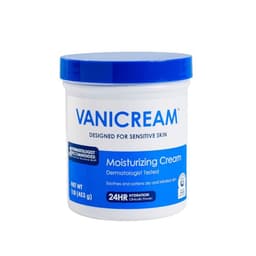
Vanicream Moisturizing Cream, 16 oz tub
The dull, no-actives cream the sandwich method asks for — the listing's own pitch is that it is formulated without common irritants, which is the whole specification here. The tub size is the point: buffering only works if you are generous with it.
For the nights it stings
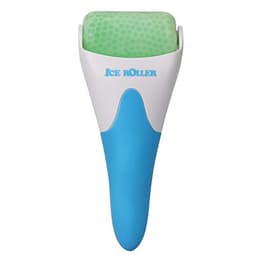
ESARORA Ice Roller for Face & Eye
Cold is the cheapest way to take the heat out of a tight, red retinol night, and it adds nothing to your face to react to. Freeze it, roll it over the flushed areas for a minute, then leave the skin alone — it is comfort, not treatment, and on a bad week that is the thing that stops people quitting.
None of these are retinols — they are the supporting products this page already recommends, listed so you can act on the advice. Product images supplied by Amazon; prices are live and dated on each button.