Retinol Room.

Retinol Serum vs Cream

The format is not the strength — but it changes how much retinoid reaches your skin, how fast it gets there, and how likely you are to still be using the bottle in three months. Which one your skin and your routine call for.

By Stephen V.Last updated How we pick

Serum or cream is the first decision most people make in this category, usually on texture preference alone. It deserves slightly more thought than that, because the format changes three things that matter: how much of the retinoid gets in, how much support the formula gives your barrier while it does, and how many steps your routine ends up with.

The thing it does not reliably change is strength. A cream is not automatically a weaker product than a serum — RoC’s night cream and CeraVe’s resurfacing serum both decline to state a figure, so nobody outside those companies can rank them by dose. What the format does tell you is the delivery environment, and that is genuinely useful.

Our criteria below: does the base support the skin while the retinoid works, does the product state its strength, and does the format fit a routine you will actually keep. Two serums and two creams, picked for four different buyers.

How this is funded: we earn a commission if you buy through our links, at no extra cost to you. It never changes which product we recommend, and we’ll tell you when we’d skip one. Full disclosure.

Quick picks

Ranked on formulation, stated concentration and buyer fit. Select a row to jump to the full write-up. We have not tested these products — here is exactly what we do instead.

#ProductBest forPrice
1
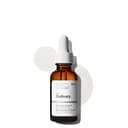
The Ordinary Retinol 0.5% in Squalane

The Ordinary Retinol 0.5% in Squalane

The clearest-labeled retinol you can buy: an exact 0.5% pure retinol in a squalane base, at a price that makes 'start low and go slow' painless. For most people ready to move up from a starter strength, this is the sensible middle rung.

Best serum overall
$9.30 · View on Amazon

Price as of August 20, 2026. #ad How we’re funded

2
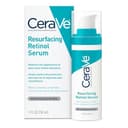
CeraVe Resurfacing Retinol Serum

CeraVe Resurfacing Retinol Serum

Encapsulated retinol with ceramides and licorice root, aimed squarely at post-acne marks and texture rather than deep wrinkles. Gentle, barrier-friendly and cheap — but the strength is unstated, so set expectations by what it's for.

Best serum for reactive skin
$9.99 · View on Amazon

$21.9955% off

Price as of August 20, 2026. #ad How we’re funded

3
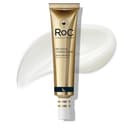
RoC Retinol Correxion Deep Wrinkle Night Cream

RoC Retinol Correxion Deep Wrinkle Night Cream

The drugstore retinol cream people actually keep re-buying — retinol delivered in a moisturizing cream base, which suits dry, mature skin that finds serums drying. A dependable, cheap nightly option.

Best cream overall
$21.97 · View on Amazon

$29.9927% off

Price as of August 20, 2026. #ad How we’re funded

4
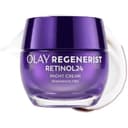
Olay Regenerist Retinol 24 Night Face Moisturizer

Olay Regenerist Retinol 24 Night Face Moisturizer

Pairs retinol with a high dose of niacinamide in a fragrance-free night cream — the niacinamide is the reason it stays comfortable. A solid one-jar option for people who want a moisturizer that quietly does retinol too.

Best fragrance-free cream
$29.94 · View on Amazon

Price as of August 20, 2026. #ad How we’re funded

The picks in full

#1Best serum overall

The Ordinary Retinol 0.5% in Squalane

The clearest-labeled retinol you can buy: an exact 0.5% pure retinol in a squalane base, at a price that makes 'start low and go slow' painless. For most people ready to move up from a starter strength, this is the sensible middle rung.

Strengths

  • Publishes the exact strength — 0.5% — which almost no drugstore retinol does
  • Squalane base is lightly occlusive and cushions irritation
  • Sold in 0.2% / 0.5% / 1% so you can step up deliberately

Trade-offs

  • Pure retinol in an anhydrous oil — no added niacinamide or soothing actives
  • Squalane finish can feel heavy layered over other oils
Key activeRetinol
Stated concentration0.5%
FormatLightweight oil serum
Fragrance-freeYes
Best forNormal, Dry, Not-too-sensitive

Formulation note. Pure retinol dispersed in squalane; no water phase, so none of the pH and packaging fuss vitamin C needs. The strength is printed on the label, which is the exception in this category, not the rule.

Ingredients and claims read from the product listing, on July 18, 2026. “Not published” means the brand does not state that figure.

#2Best serum for reactive skin

CeraVe Resurfacing Retinol Serum

Encapsulated retinol with ceramides and licorice root, aimed squarely at post-acne marks and texture rather than deep wrinkles. Gentle, barrier-friendly and cheap — but the strength is unstated, so set expectations by what it's for.

Strengths

  • Ceramides + niacinamide support the barrier while the retinol works
  • Encapsulated delivery is gentler on reactive skin
  • One of the least expensive 'real' retinol serums

Trade-offs

  • Concentration is not published
  • Marketed for marks, not deep wrinkles — set expectations accordingly
Key activeEncapsulated retinol
Stated concentrationNot published
FormatFluid lotion-serum
Fragrance-freeYes
Best forAcne-prone, Normal, Sensitive

Formulation note. Encapsulated retinol + 3 essential ceramides + niacinamide + licorice root extract. The ceramide payload is why it stays tolerable; the retinol strength is not disclosed.

Ingredients and claims read from the product listing, on July 18, 2026. “Not published” means the brand does not state that figure.

#3Best cream overall

RoC Retinol Correxion Deep Wrinkle Night Cream

The drugstore retinol cream people actually keep re-buying — retinol delivered in a moisturizing cream base, which suits dry, mature skin that finds serums drying. A dependable, cheap nightly option.

Strengths

  • Retinol in an emollient cream is gentler for dry skin
  • Long track record and wide availability
  • Low price for a nightly retinol

Trade-offs

  • Concentration is not published
  • Contains fragrance — a consideration for reactive skin
Key activeRetinol
Stated concentrationNot published
FormatRich night cream
Fragrance-freeNo
Best forDry, Mature

Formulation note. Retinol in a moisturizing cream base. Contains fragrance, so it isn't our pick for sensitive skin — the cream format is its advantage for dry skin.

Ingredients and claims read from the product listing, on July 18, 2026. “Not published” means the brand does not state that figure.

#4Best fragrance-free cream

Olay Regenerist Retinol 24 Night Face Moisturizer

Pairs retinol with a high dose of niacinamide in a fragrance-free night cream — the niacinamide is the reason it stays comfortable. A solid one-jar option for people who want a moisturizer that quietly does retinol too.

Strengths

  • Retinol + niacinamide combination is well-tolerated
  • Fragrance-free night formula
  • Rich enough to double as your moisturizer

Trade-offs

  • Retinol concentration is not published
  • Jar packaging is less ideal for retinol stability than a tube
Key activeRetinol + niacinamide
Stated concentrationNot published
FormatRich night cream
Fragrance-freeYes
Best forDry, Normal, Mature

Formulation note. Retinol + retinyl propionate + niacinamide. The heavy niacinamide dose is what keeps it tolerable; the retinol strength itself is undisclosed.

Ingredients and claims read from the product listing, on July 18, 2026. “Not published” means the brand does not state that figure.

The comparison at a glance

 Retinol serumRetinol cream
What it isA thin, active-focused layer with little emollient bulkA moisturizer with a retinoid dispersed through it
DeliveryLess buffered — more of the dose reaches skin, fasterThe emollient base moderates contact intensity
Routine stepsTwo: serum, then a moisturizer over itOften one — treatment and moisturizer in the same step
SuitsOily, combination and normal skin; anyone layeringDry, mature and reactive skin; anyone who wants fewer steps
Stated strengthsMore common — the labeled ladders are mostly serumsRare — most drugstore creams state nothing
Typical size30 ml, used a few drops at a time30–50 ml, used more generously per night
Packaging riskUsually a pump or dropper — better for an unstable activeJars are common, and a jar is the worst case

What the format actually changes

How much gets in

A serum is mostly active plus a light carrier. A cream is mostly emollient with the active dispersed through it. Applied at the same nominal strength, the serum delivers a less buffered dose — which is why serums have the reputation for working faster and for being harder to tolerate at the start.

This is the same physics as the sandwich method, just built into the product. A cream is, in effect, a permanently half-sandwiched retinoid. If you find that appealing, that preference is telling you something real about your barrier.

How many steps you end up with

A serum needs a moisturizer over it, so it is a two-step night. A retinol cream is often both at once. That sounds trivial and is not: adherence is the variable that decides whether a retinoid does anything for you over the twelve weeks it needs, and every step you remove is a step you cannot skip on a tired Tuesday.

It is exactly the argument our men’s roundup makes at length, and it applies to anybody with a short routine rather than to one demographic.

What the label tells you

There is a real pattern here worth knowing before you shop: the products that publish an exact retinol percentage are overwhelmingly serums. The Ordinary’s 0.2% / 0.5% / 1% ladder, L’Oreal’s stated 0.3%, Paula’s Choice’s 1% — all serums. The drugstore cream aisle is where “Not published” lives.

There are exceptions, and most of them are Korean: COSRX prints 0.1% and 0.3% on cream packaging, and Avene states 0.05% and 0.1% on its retinal creams. Our Korean retinol roundup covers why that category behaves differently. But as a rule, choosing a cream costs you label transparency, and that is a genuine trade rather than a detail.

Which one should you buy?

Buy a serum if

  • Your skin is oily, combination or normal, and a rich cream feels heavy on it.
  • You want a stated percentage you can place on a ladder and step up from deliberately.
  • You already own a moisturizer you like, and you would rather not replace it to get a retinoid.
  • You want the option to buffer or not buffer on a given night — a separate serum gives you that control; a cream decides it for you.

Buy a cream if

  • Your skin is dry, mature or reactive, and every serum you have tried has left it tight.
  • You want one product at night rather than two.
  • You are treating an area that needs the emollient anyway — neck, chest, the drier parts of a mature face.
  • You have abandoned retinol before because of flaking, and you would rather trade some intensity for a schedule you can keep.

The formats this comparison leaves out

Serum and cream are the two big categories, but they are not the whole shelf, and a couple of the others are worth a sentence:

  • Oil serums. The Ordinary’s squalane retinols are technically anhydrous oils rather than water-based serums. The advantage is stability — no water phase — and a slight cushioning effect. The disadvantage is that they feel heavy layered over other oils.
  • Emulsions. Lighter than a cream, richer than a thin serum. Useful middle ground for combination skin.
  • Capsules. A single sealed dose per night. The best packaging in the category for an unstable active, and the most expensive per night. See our shelf-life guide for why the container matters this much.
  • Eye creams. A separate case entirely — dosed for thinner skin rather than being a smaller jar of the same thing. Our eye cream roundup covers them.

What the format does not decide

Do not read a cream as automatically gentle or a serum as automatically strong. An unstated-strength cream could be anything; a stated 0.2% serum in squalane is a mild product by design. The base changes the delivery, the number changes the dose, and only one of those is usually printed on the box.

The practical consequence: ramp up the same way regardless of format. Two nights a week, on completely dry skin, moisturizer over the top, building only when the current schedule is comfortable. Our frequency guide has the schedule and strength guide has the ladder.
Frequently asked questions

Is retinol serum or cream better?

Neither is better in the abstract — they suit different skin and different routines. Serums deliver a less buffered dose and are far more likely to state a strength; creams moderate the dose in an emollient base and collapse two steps into one. Oily and normal skin generally do better with a serum; dry, mature and reactive skin generally do better with a cream.

Is a retinol serum stronger than a retinol cream?

Not necessarily in dose, but often in effect. At the same concentration, a serum's thin base buffers the retinoid less than a cream's emollient base does, so more of it reaches skin faster. Since most creams don't publish a concentration at all, you usually can't compare the doses directly — only the delivery.

Can I use a retinol serum and a retinol cream together?

No. That is two retinoid products in one routine, with no way to tell which one caused a reaction and no benefit from the doubling — retinoid receptors saturate. Pick one, and if you want more from it, add nights rather than products.

Do I still need moisturizer if I use a retinol cream?

Usually not a second one, which is much of the appeal. If your skin is very dry or you're in the adjustment phase, adding a plain moisturizer over the top is fine and is essentially the top half of the sandwich method. What you should not do is skip moisture entirely because the retinoid product is technically a cream.

Which is better value?

Compare cost per milliliter and how much you use per night, not sticker price. A 30 ml serum used a few drops at a time can last months; a 50 ml cream applied generously to face and neck may not. Body-sized areas change the math completely — our body lotion roundup covers sizes built for that.

Which format is better for beginners?

A cream or an emulsion, most of the time — the buffered delivery is more forgiving in the weeks where people usually quit. The exception is if you want a stated low strength, which mostly means a serum. A stated 0.2% serum used twice a week is a perfectly gentle start, and you know exactly what you're applying.

Sources

Keep reading