Retinol Room.

Retinol for Stretch Marks

The honest version: topical retinoids have some evidence for early, red stretch marks and very little for old, white ones. What that means before you spend anything, and the body retinols worth trying.

By Stephen V.Last updated How we pick

This is the page on this site where we most want to manage your expectations before you spend money. Stretch marks — striae — are scars in the dermis, formed when skin is stretched faster than its collagen and elastin can accommodate. They are a structural change in a deeper layer of skin than most topicals reach, which is precisely why they are so stubborn and why the shelf of creams promising to remove them is so large and so disappointing.

Here is the honest position on retinoids specifically. The most encouraging published work concerns early stretch marks— the red or purple ones, still inflamed and relatively new, known as striae rubra — and it largely involves prescription tretinoin rather than the over-the-counter retinol sold in body lotions. For mature white marks (striae alba), which is what most people are actually trying to treat, the evidence is considerably weaker. And no topical has been shown to remove a stretch mark outright.

None of which means doing nothing is the answer. A body retinol is a reasonable, low-cost thing to try on early marks, and it will genuinely improve the surrounding skin’s texture and tone regardless. But buy it understanding that you are making a modest bet on partial improvement, not purchasing a fix — and if your marks matter to you a great deal, the conversation worth having is with a dermatologist about prescription options and procedures, not with a lotion aisle. This page is general information, not medical advice.

How this is funded:we earn a commission if you buy through our links, at no extra cost to you. It never changes which product we recommend, and we’ll tell you when we’d skip one. Full disclosure.

Quick picks

Ranked on formulation, stated concentration and buyer fit. Select a row to jump to the full write-up. We have not tested these products — here is exactly what we do instead.

#ProductBest forPrice
1
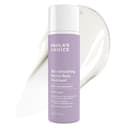
Paula's Choice Retinol Skin-Smoothing Body Lotion Treatment

Paula's Choice Retinol Skin-Smoothing Body Lotion Treatment

The body retinol to buy if you want the treatment to be the point rather than a bonus on a moisturizer. It is a proper targeted treatment from a brand that formulates seriously — and it is far and away the most expensive per ounce here, in the smallest bottle, which makes it a spot-treatment for crepey forearms and chest rather than a whole-body lotion.

Best targeted treatment
$37.00 · View on Amazon

Price as of August 11, 2026. #ad How we’re funded

2
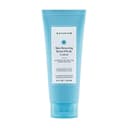
Naturium Skin-Renewing Retinol Body Lotion

Naturium Skin-Renewing Retinol Body Lotion

The sensible middle of this category: a shea-butter body lotion with retinol in it, in a size you can actually use on arms and legs, at a price that does not make you ration it. If you want one bottle that moisturizes properly and treats quietly, this is the shape that makes sense.

Best all-rounder
$25.99 · View on Amazon

Price as of August 11, 2026. #ad How we’re funded

3
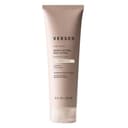
Versed Press Restart Retinol Body Lotion

Versed Press Restart Retinol Body Lotion

A cocoa-butter-and-squalane body lotion with retinol, marketed at body texture and body breakouts as much as at crepey skin. The base is the appeal — squalane cushions the way it does in a face serum — and it is the one here that most obviously suits back and chest congestion alongside rough texture.

Best cushioning base
$17.79 · View on Amazon

$20.9915% off

Price as of August 11, 2026. #ad How we’re funded

4
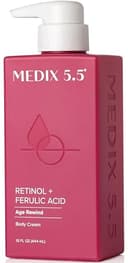
Medix 5.5 Retinol Body Lotion Firming Moisturizer

Medix 5.5 Retinol Body Lotion Firming Moisturizer

The value play for treating a lot of skin: a 15 oz pump aimed squarely at crepey texture on arms and legs, at a price per ounce that makes daily whole-body use realistic. It is a mass-market formula with big claims on the label — treat the claims with the usual skepticism and the size as the real reason to buy it.

Best value for large areas
$19.99 · View on Amazon

Price as of August 11, 2026. #ad How we’re funded

The picks in full

#1Best targeted treatment

Paula's Choice Retinol Skin-Smoothing Body Lotion Treatment

The body retinol to buy if you want the treatment to be the point rather than a bonus on a moisturizer. It is a proper targeted treatment from a brand that formulates seriously — and it is far and away the most expensive per ounce here, in the smallest bottle, which makes it a spot-treatment for crepey forearms and chest rather than a whole-body lotion.

Strengths

  • Positioned as a treatment, not a lotion that happens to contain retinol
  • From a brand with a serious formulation record
  • Small enough to actually finish before it degrades

Trade-offs

  • By far the highest price per ounce here — impractical for full-body use
  • 4 oz does not go far on legs, arms and chest
  • Retinol percentage is not published on the listing
Key activeRetinol
Stated concentrationNot published
FormatBody lotion treatment
Fragrance-freeNot published
Best forNormal, Dry, Mature

Formulation note. Sold as a retinol body treatment rather than a moisturizer with retinol in it. The listing does not state the retinol percentage, so we print 'Not published' — at this price, that is a fair thing to be annoyed about.

Ingredients and claims read from the product listing, on August 11, 2026. “Not published” means the brand does not state that figure.

#2Best all-rounder

Naturium Skin-Renewing Retinol Body Lotion

The sensible middle of this category: a shea-butter body lotion with retinol in it, in a size you can actually use on arms and legs, at a price that does not make you ration it. If you want one bottle that moisturizes properly and treats quietly, this is the shape that makes sense.

Strengths

  • Shea butter base means it works as a real moisturizer, not just a carrier
  • 8 oz is enough to cover arms and legs regularly
  • Mid-range price per ounce for a treatment lotion

Trade-offs

  • Retinol strength is not published
  • Stock has been thinner than the rest of this list — check availability before you plan around it
Key activeRetinol (+ shea butter)
Stated concentrationNot published
FormatRich body lotion
Fragrance-freeNot published
Best forDry, Normal

Formulation note. Retinol in a shea-butter body lotion base, per the listing. The emollient base is the reason it doubles as your moisturizer; the retinol figure is undisclosed, as it is across this whole category.

Ingredients and claims read from the product listing, on August 11, 2026. “Not published” means the brand does not state that figure.

#3Best cushioning base

Versed Press Restart Retinol Body Lotion

A cocoa-butter-and-squalane body lotion with retinol, marketed at body texture and body breakouts as much as at crepey skin. The base is the appeal — squalane cushions the way it does in a face serum — and it is the one here that most obviously suits back and chest congestion alongside rough texture.

Strengths

  • Cocoa butter plus squalane is a genuinely cushioning base for retinol
  • Aimed at body breakouts as well as texture, which most body retinols ignore
  • Reasonable price per ounce in an 8 oz bottle

Trade-offs

  • Retinol strength is not published
  • Cocoa butter base is heavier than a plain lotion — slow to sink in before bed
Key activeRetinol (+ cocoa butter, squalane)
Stated concentrationNot published
FormatRich body lotion
Fragrance-freeNot published
Best forDry, Normal, Body-breakout-prone

Formulation note. Retinol in a cocoa butter and squalane base, per the listing, positioned for body texture and body breakouts. Squalane is the same cushioning oil The Ordinary uses on the face; the retinol percentage is not disclosed.

Ingredients and claims read from the product listing, on August 11, 2026. “Not published” means the brand does not state that figure.

#4Best value for large areas

Medix 5.5 Retinol Body Lotion Firming Moisturizer

The value play for treating a lot of skin: a 15 oz pump aimed squarely at crepey texture on arms and legs, at a price per ounce that makes daily whole-body use realistic. It is a mass-market formula with big claims on the label — treat the claims with the usual skepticism and the size as the real reason to buy it.

Strengths

  • 15 oz — the most product here by a wide margin, so you can use it generously
  • Lowest cost per ounce of the treatment-focused options
  • Aimed specifically at crepey, sagging body texture

Trade-offs

  • Retinol strength is not published, and the label claims run ahead of the evidence
  • Mass-market formula — less considered than the dermatologist-brand options
Key activeRetinol
Stated concentrationNot published
FormatBody lotion
Fragrance-freeNot published
Best forDry, Normal, Mature

Formulation note. A 15 oz retinol body lotion sold for crepey and sagging body skin. The volume is the honest selling point; the retinol percentage is not published and the marketing language is considerably more confident than the published evidence for any body retinol.

Ingredients and claims read from the product listing, on August 11, 2026. “Not published” means the brand does not state that figure.

What stretch marks actually are

Understanding the mechanism explains why the results are what they are. When skin stretches rapidly — in pregnancy, growth spurts, rapid weight or muscle gain — the collagen and elastin network in the dermis tears. What you see on the surface is the visible consequence of damage further down: initially inflamed and reddish or purple, later fading to a pale, slightly depressed, often shiny band with a different texture from the skin around it.

That two-stage progression is the single most important thing to know before you buy anything, because the stage you are at largely determines what is possible. Early marks are still an active, inflamed process with ongoing remodeling, which is when intervention has the best chance of influencing the outcome. Mature white marks are settled scar tissue, and settled scars are hard to change with anything you can apply.

What the evidence supports

Topical retinoids have a genuine mechanism to offer here: they influence keratinocyte turnover and support dermal collagen, which is the same basis on which they improve photoaged skin. Applied to early striae, that is a plausible route to reduced redness and improved texture, and the published work that exists is most encouraging in exactly that scenario.

Three caveats matter, and most product marketing omits all three. First, the stronger evidence involves prescription tretinoin, which is a more potent molecule than the retinol in a body lotion — you cannot transfer those results to an over-the-counter product without discounting them substantially. Second, no body retinol we could find publishes its concentration, so you have no way of knowing how much active you are applying. Third, results in this area are partial where they occur: improved appearance, not removal.

Our overall read: worth trying on early red or purple marks, with modest expectations and consistent use over months. Not worth spending heavily on for mature white marks, where you are likely to be disappointed. If you want to understand the difference between the molecules in play, our retinol vs tretinoin comparison is the relevant read, and our retinol vs retinoid page maps the wider family.

The pregnancy point, stated plainly

A great many people looking for stretch mark treatment are pregnant or recently pregnant, so this needs to be unambiguous: topical retinoids are conventionally avoided during pregnancy, and standard dermatological guidance is to avoid them while pregnant or breastfeeding. Do not start a retinol product for pregnancy-related stretch marks while you are pregnant. Speak to your doctor or midwife about what is appropriate during that period, and about when it is reasonable to begin afterwards.

That timing is genuinely awkward, because the window when marks are newest and most treatable overlaps with the period when retinoids are off the table. It is one reason we point people toward a conversation with a professional rather than a product recommendation. Our retinol safety guide covers the contraindications in more detail, and our retinol alternatives page covers what people reach for when retinoids are not an option.

How to use a body retinol on stretch marks

If you have decided to try it, do it properly — inconsistent application is the most common reason people conclude a product failed.

Apply at night to dry skin, starting two or three nights a week and building up as tolerated. Cover the marks and the skin immediately around them rather than dabbing precisely on each line; you are treating an area, and the surrounding texture benefits too. Moisturize well — and note that the moisturizing itself does real work for the appearance of the area, independent of the retinol. Do not apply after shaving or waxing, and do not apply to broken skin.

Give it three to six months before judging, then decide honestly whether you can see a difference in photographs taken under the same lighting. Keep the treated area out of direct sun or protected with broad-spectrum SPF; retinol increases sun sensitivity, and areas like the hips, thighs and upper arms get more incidental sun than people account for. Our body lotion roundup compares the products in more detail, and our how to use retinol guide covers the ramp-up.

What else is worth knowing

Two honest additions. First, time does a lot of the work: red marks fade toward white and become less conspicuous on their own over months and years. Any product used during that window will appear to have contributed, which is why testimonials in this category should be read with more skepticism than usual. Second, if the appearance of your marks genuinely troubles you, the interventions with the strongest evidence are procedural — laser and microneedling among them — and they are a dermatologist’s territory rather than ours. We would rather point you there than sell you a fourth lotion.
Frequently asked questions

Does retinol get rid of stretch marks?

No topical removes a stretch mark, and any product claiming to is overselling. Stretch marks are scars in the dermis, deeper than most topicals reach. What retinoids may do — with the better evidence involving prescription tretinoin on early, red marks — is improve their appearance and the texture of the surrounding skin. On mature white marks the evidence is considerably weaker.

Does it work better on new or old stretch marks?

New ones, clearly. Early striae are still red or purple and still actively remodeling, which is when intervention has the best chance of influencing the outcome. Mature white marks are settled scar tissue and respond far less to anything topical. If your marks are new, it's a reasonable low-cost thing to try; if they're years old and white, set expectations very low.

Can I use retinol for stretch marks while pregnant?

No — topical retinoids are conventionally avoided during pregnancy, and standard dermatological guidance is to avoid them while pregnant or breastfeeding. Since a lot of stretch mark searching happens during exactly that period, this is worth stating plainly. Talk to your doctor or midwife about what's appropriate during pregnancy and when it's reasonable to start afterwards.

How long before I'd see any change?

Give it three to six months of consistent use before judging, and photograph the area under the same lighting at the start so you're comparing something real rather than a memory. Bear in mind that red marks fade toward white on their own over time, so some of the change you see would have happened anyway — which is exactly why testimonials in this category deserve skepticism.

Is body retinol strong enough to do anything on striae?

Honestly, we can't tell you, because no body retinol we could find publishes its concentration. The evidence that's most encouraging in this area involves prescription tretinoin, which is a more potent molecule than the retinol in a body lotion. That's the core of our caution here: you're applying an unknown dose of a weaker active to a problem the stronger active only partly addresses.

What works better than retinol for stretch marks?

For marks that genuinely bother you, procedural treatments — laser and microneedling among them — have stronger evidence than any cream, and a dermatologist is the right person to discuss them with. Prescription tretinoin is the topical with the better published record for early marks. We'd rather point you toward those conversations than have you work through a shelf of lotions.

Sources

Keep reading