Retinol Room.

Retinol for Acne & Post-Acne Marks

Does retinol clear acne? Where it genuinely helps — post-acne marks and mild congestion — and where a prescription retinoid or benzoyl peroxide does more.

By Stephen V.Last updated How we pick

Does retinol help with acne? Partly — and being precise about that matters. Over-the-counter retinol is genuinely useful for post-acne marks (the flat brown or pink spots left after a breakout heals) and for mild congestion and bumpy texture, because faster cell turnover helps fade discoloration and keeps pores from clogging. What it is not is a front-line acne treatment.

For active, inflammatory acne — the red, painful papules and cysts — the American Academy of Dermatology points to treatments with stronger evidence: a prescription retinoid such as adapalene or tretinoin, benzoyl peroxide, or a combination, rather than cosmetic retinol. Adapalene is a true retinoid you can now buy over the counter, and it is studied specifically for acne in a way plain retinol is not. So think of retinol here as a supporting player for marks and maintenance, not a cure for breakouts.

Expect a slow timeline — marks fade over months, not days — and expect a possible adjustment period. Some people get an early flare, often called the “retinol purge,” as turnover speeds up; our purge guide covers how to tell that apart from plain irritation. This is general information, not medical advice; for persistent or severe acne, see a dermatologist.

How this is funded:we earn a commission if you buy through our links, at no extra cost to you. It never changes which product we recommend, and we’ll tell you when we’d skip one. Full disclosure.

Quick picks

Ranked on formulation, stated concentration and buyer fit. Select a row to jump to the full write-up. We have not tested these products — here is exactly what we do instead.

#ProductBest forPrice
1
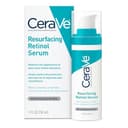
CeraVe Resurfacing Retinol Serum

CeraVe Resurfacing Retinol Serum

Encapsulated retinol with ceramides and licorice root, aimed squarely at post-acne marks and texture rather than deep wrinkles. Gentle, barrier-friendly and cheap — but the strength is unstated, so set expectations by what it's for.

Best for post-acne marks
$18.68 · View on Amazon

$21.9915% off

Price as of July 19, 2026. #ad How we’re funded

2
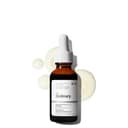
The Ordinary Retinol 0.2% in Squalane

The Ordinary Retinol 0.2% in Squalane

The gentlest true-retinol starting point on the shelf: a stated 0.2% in the same cushioning squalane base. If you have never used a retinoid, this is where to begin before touching anything stronger.

Best gentle starter
$8.10 · View on Amazon

Price as of July 19, 2026. #ad How we’re funded

3
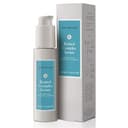
Naturium Retinol Complex Serum

Naturium Retinol Complex Serum

Blends encapsulated retinol with bakuchiol, a plant extract with retinol-adjacent research, to soften the ramp-up. A reasonable gentle middle option — with an unstated retinol dose you're taking on trust.

Best gentle blend
$14.69 · View on Amazon

$20.9930% off

Price as of July 19, 2026. #ad How we’re funded

4
The Ordinary Granactive Retinoid 2% Emulsion

The Ordinary Granactive Retinoid 2% Emulsion

Not retinol at all, but a retinoid ester (hydroxypinacolone retinoate) marketed as gentler. A reasonable option for skin that flakes on plain retinol — with the honest caveat that its evidence base is thinner than retinol's.

Best for sensitive skin
$12.10 · View on Amazon

Price as of July 19, 2026. #ad How we’re funded

The picks in full

#1Best for post-acne marks

CeraVe Resurfacing Retinol Serum

Encapsulated retinol with ceramides and licorice root, aimed squarely at post-acne marks and texture rather than deep wrinkles. Gentle, barrier-friendly and cheap — but the strength is unstated, so set expectations by what it's for.

Strengths

  • Ceramides + niacinamide support the barrier while the retinol works
  • Encapsulated delivery is gentler on reactive skin
  • One of the least expensive 'real' retinol serums

Trade-offs

  • Concentration is not published
  • Marketed for marks, not deep wrinkles — set expectations accordingly
Key activeEncapsulated retinol
Stated concentrationNot published
FormatFluid lotion-serum
Fragrance-freeYes
Best forAcne-prone, Normal, Sensitive

Formulation note. Encapsulated retinol + 3 essential ceramides + niacinamide + licorice root extract. The ceramide payload is why it stays tolerable; the retinol strength is not disclosed.

Ingredients and claims read from the product listing, on July 18, 2026. “Not published” means the brand does not state that figure.

#2Best gentle starter

The Ordinary Retinol 0.2% in Squalane

The gentlest true-retinol starting point on the shelf: a stated 0.2% in the same cushioning squalane base. If you have never used a retinoid, this is where to begin before touching anything stronger.

Strengths

  • Stated 0.2% — a genuine beginner strength, plainly labeled
  • Squalane base softens the early dryness
  • About as cheap as effective retinol gets

Trade-offs

  • Too gentle to be anyone's long-term destination — you'll want to step up
  • Still pure retinol, so introduce it slowly regardless of the low number
Key activeRetinol
Stated concentration0.2%
FormatLightweight oil serum
Fragrance-freeYes
Best forSensitive, Beginner, Normal

Formulation note. 0.2% pure retinol in squalane — the entry rung of The Ordinary's three-strength ladder. Starting here and moving to 0.5% only once nightly use is comfortable is the textbook way to build tolerance.

Ingredients and claims read from the product listing, on July 18, 2026. “Not published” means the brand does not state that figure.

#3Best gentle blend

Naturium Retinol Complex Serum

Blends encapsulated retinol with bakuchiol, a plant extract with retinol-adjacent research, to soften the ramp-up. A reasonable gentle middle option — with an unstated retinol dose you're taking on trust.

Strengths

  • Bakuchiol pairing aims to reduce early irritation
  • Encapsulated retinols for a slower release
  • Inexpensive for the category

Trade-offs

  • Retinol percentage is not published
  • Bakuchiol's evidence base is smaller than retinol's — treat it as support, not a replacement
Key activeRetinol + bakuchiol
Stated concentrationNot published
FormatLightweight serum
Fragrance-freeYes
Best forNormal, Combination, Cautious beginners

Formulation note. Encapsulated retinols + bakuchiol. Bakuchiol has a few supportive studies but a fraction of retinol's evidence; we present it as an adjunct, not an equal.

Ingredients and claims read from the product listing, on July 18, 2026. “Not published” means the brand does not state that figure.

#4Best for sensitive skin

The Ordinary Granactive Retinoid 2% Emulsion

Not retinol at all, but a retinoid ester (hydroxypinacolone retinoate) marketed as gentler. A reasonable option for skin that flakes on plain retinol — with the honest caveat that its evidence base is thinner than retinol's.

Strengths

  • Retinoid ester is widely reported as less irritating than pure retinol
  • Stated 2% of the Granactive Retinoid complex — a labeled figure
  • Light emulsion texture layers easily

Trade-offs

  • Hydroxypinacolone retinoate has far less published evidence than retinol
  • The '2%' is the complex, not 2% retinol — don't read it as high-strength
Key activeGranactive Retinoid (hydroxypinacolone retinoate)
Stated concentration2% Granactive Retinoid complex
FormatLight emulsion
Fragrance-freeYes
Best forSensitive, Retinol-reactive

Formulation note. The active is hydroxypinacolone retinoate, a retinoic-acid ester — not free retinol. The '2%' refers to the solubilized complex, not a retinol percentage. We present it as a gentler alternative with a smaller evidence base, not an equal to retinol.

Ingredients and claims read from the product listing, on July 18, 2026. “Not published” means the brand does not state that figure.

What retinol can and can’t do for acne

The honest split is between marks and active breakouts, and the two need different tools.

Where it helps

Retinol is a reasonable choice for the flat discoloration left behind after a pimple heals, and for the mild congestion and rough texture that make skin look uneven. By speeding up turnover it helps that pigment shed and keeps dead cells from settling into pores. This is maintenance and mark-fading work, and it is steady rather than dramatic.

Where it falls short

For active inflammatory acne — the sore red bumps and deeper cysts — cosmetic retinol is not the strongest option, and pretending otherwise would be dishonest. The American Academy of Dermatology’s acne guidance centers benzoyl peroxide, topical prescription retinoids like adapalene and tretinoin, and combination regimens, because those carry the trial evidence for breakouts that plain retinol lacks. Adapalene is a true retinoid sold over the counter and is worth knowing about if breakouts, not marks, are your main problem. Cystic or scarring acne is a reason to see a dermatologist rather than to keep experimenting on the shelf.

Using retinol without making things worse

If your goal is marks and maintenance, start gentle. A stated low strength such as a 0.2% starter, or an encapsulated, buffered formula, lets skin adjust with less flaking; the gentler retinoid-ester and bakuchiol blends above suit skin that reacts badly to plain retinol. Apply a pea-sized amount to dry skin a couple of nights a week, always moisturize on top, and do not stack it with an exfoliating acid or benzoyl peroxide the same night while you are starting out. An early flare-up can be the “purge” rather than a formula failing you — the purge guideexplains the difference — but a rash or lasting burning is irritation, and the fix is less often, not more. And because retinol raises sun sensitivity, a daily sunscreen keeps new marks from darkening. For the wider category, start at the retinol hub. None of this is medical advice; persistent or severe acne deserves a dermatologist’s help.
Frequently asked questions

Does retinol get rid of acne?

Not on its own. Retinol is most useful for post-acne marks and mild congestion, not for active, inflammatory breakouts. The American Academy of Dermatology's acne guidance leans on benzoyl peroxide and prescription retinoids such as adapalene and tretinoin for breakouts, so treat over-the-counter retinol as a supporting player rather than a cure.

Does retinol help fade post-acne marks?

Yes, gradually. The flat brown or pink spots left after a pimple heals respond to retinol because faster turnover helps that excess pigment shed over time. Plan on months of consistent use, and pair it with daily sunscreen so new sun doesn't darken the marks you're fading.

Is adapalene better than retinol for acne?

For active acne, generally yes. Adapalene is a true retinoid, available over the counter, that's studied specifically for acne — unlike cosmetic retinol. If breakouts rather than marks are your main concern, adapalene or benzoyl peroxide has the stronger evidence. This is general information, not a prescription; a dermatologist can tailor it.

Can retinol make acne worse at first?

It can look that way early on. As turnover speeds up, some people see a short-lived flare often called the retinol purge, which typically settles within a few weeks. A lasting rash, burning or new irritation is different — that's a sign to use it less often. Our purge guide walks through telling them apart.

How should I start retinol if I have acne-prone skin?

Start low and slow. A stated low-strength or encapsulated, buffered formula a couple of nights a week gives skin room to adjust, and moisturizing on top reduces flaking. Avoid layering it with acids or benzoyl peroxide on the same night at first, and see a dermatologist for persistent or severe acne.

Sources

Keep reading