Retinol Room.

Retinol for Strawberry Legs

Strawberry legs is a photograph, not a diagnosis — four different things produce the same dotted shin, and a retinoid is the right tool for two of them, the wrong tool for one, and irrelevant to the fourth. Two free tests tell you which you have, then six picks sized for the surface area legs actually are.

By Stephen V.Last updated How we pick

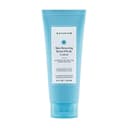
If the dots on your shins are dark plugs sitting in visible follicle openings, start with the Naturium Skin-Renewing Retinol Body Lotion. It is a proper emollient lotion first and a retinoid second, which is what skin that gets shaved needs, and it comes in a size you can use on both legs without rationing it.

Before you buy anything, though, understand what you are treating. “Strawberry legs” is not a diagnosis. No dermatologist writes it on a chart. It describes an appearance — dark dots in a regular grid across the shins and thighs — and at least four different things produce exactly that appearance. A retinoid is genuinely the right tool for two of them. It is the wrong tool for one, where it will make things worse. And it is completely irrelevant to the fourth, where the answer is a razor technique the dermatologists publish for free.

Two tests sort it out and both are free. Run a fingertip slowly down your shin without looking.If it catches — if you can feel each dot as a small rough plug — you have a texture problem, and that is retinoid territory. If the skin feels smooth and the dots are only visible, you are looking at something underneath the surface rather than sitting in it, and no cream will reach it. Then stretch a patch of skin between two fingers. Plugs stay put. Pigment and hair seen through thin skin flatten out and fade as the skin tightens.

Six picks below, ranked on the thing that actually decides this category — whether there is enough product in the bottle to cover two whole legs every night for the six to twelve months this takes — then the four causes, then the shaving half of the problem that no lotion on this page can fix.

How this is funded: we earn a commission if you buy through our links, at no extra cost to you. It never changes which product we recommend, and we’ll tell you when we’d skip one. Full disclosure.

Quick picks

Ranked on formulation, stated concentration and buyer fit. Select a row to jump to the full write-up. We have not tested these products — here is exactly what we do instead.

#ProductBest forPrice
1
Naturium Skin-Renewing Retinol Body Lotion

Naturium Skin-Renewing Retinol Body Lotion

The sensible middle of this category: a shea-butter body lotion with retinol in it, in a size you can actually use on arms and legs, at a price that does not make you ration it. If you want one bottle that moisturizes properly and treats quietly, this is the shape that makes sense.

Best overall
$25.99 · View on Amazon

Price as of October 17, 2026. #ad How we’re funded

2
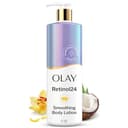
Olay Smoothing Body Lotion with Retinol Serum

Olay Smoothing Body Lotion with Retinol Serum

Effectively a everyday body moisturizer with retinol and Olay's vitamin B3 complex folded in, in a 17 oz bottle. Judge it as a moisturizer that treats a little rather than a treatment that moisturizes — which, for most people who just want smoother arms without a new routine, is the honest and useful framing.

Best for covering both legs nightly
$10.99 · View on Amazon

Price as of October 17, 2026. #ad How we’re funded

3
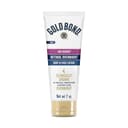
Gold Bond Age Renew Retinol Overnight Body & Face Lotion

Gold Bond Age Renew Retinol Overnight Body & Face Lotion

The drugstore default, and a better-built one than its price suggests: the brand's own list puts niacinamide seventh and adds a peptide, a ceramide and three humectants around the retinol, on a fragrance-free, hypoallergenic, dermatologist-tested label cleared for face as well as body. The cheapest sensible way to start treating body skin — just do not expect it to outperform a dedicated face retinol on your face.

Best fragrance-free
$11.97 · View on Amazon

Price as of October 17, 2026. #ad How we’re funded

4
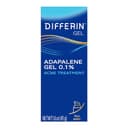
Differin Adapalene Gel 0.1% Acne Treatment (45 g pump)

Differin Adapalene Gel 0.1% Acne Treatment (45 g pump)

The only prescription-grade retinoid you can buy off the shelf, at a stated 0.1% adapalene. If your reason for wanting retinol is acne rather than lines, this is very likely the more appropriate product — and it is regulated as a drug, with the trial evidence that implies.

Best for the clogged-follicle kind
$23.97 · View on Amazon

Price as of October 17, 2026. #ad How we’re funded

5
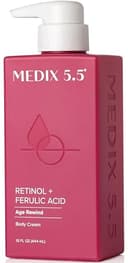
Medix 5.5 Retinol Body Lotion Firming Moisturizer

Medix 5.5 Retinol Body Lotion Firming Moisturizer

The value play for treating a lot of skin: 15 oz aimed squarely at crepey texture on arms and legs, at a price per ounce that makes daily whole-body use realistic. The brand's own published list puts retinol ninth of thirty-six, higher than any other body retinol here — but it also contains fragrance plus three declared fragrance materials, which is the reason this is not our first pick for most people.

Best volume per dollar
$19.99 · View on Amazon

Price as of October 17, 2026. #ad How we’re funded

6
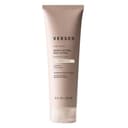
Versed Press Restart Retinol Body Lotion

Versed Press Restart Retinol Body Lotion

A cocoa-butter-and-squalane body lotion with retinol, marketed at body texture and body breakouts as much as at crepey skin. The base is the appeal — squalane cushions the way it does in a face serum — and it is the one here that most obviously suits back and chest congestion alongside rough texture.

Best on freshly shaved skin
$17.69 · View on Amazon

Price as of October 17, 2026. #ad How we’re funded

The picks in full

#1Best overall

Naturium Skin-Renewing Retinol Body Lotion

The sensible middle of this category: a shea-butter body lotion with retinol in it, in a size you can actually use on arms and legs, at a price that does not make you ration it. If you want one bottle that moisturizes properly and treats quietly, this is the shape that makes sense.

Strengths

  • Shea butter base means it works as a real moisturizer, not just a carrier
  • 8 oz is enough to cover arms and legs regularly
  • Mid-range price per ounce for a treatment lotion

Trade-offs

  • Retinol strength is not published
  • Stock has been thinner than the rest of this list — check availability before you plan around it
Key activeRetinol (+ shea butter)
Stated concentrationNot published
FormatRich body lotion
Fragrance-freeNot published
Best forDry, Normal

Formulation note. Retinol in a shea-butter body lotion base, per the listing. The emollient base is the reason it doubles as your moisturizer; the retinol figure is undisclosed, as it is across this whole category.

Ingredients and claims read from the product listing, on August 11, 2026. “Not published” means the brand does not state that figure.

#2Best for covering both legs nightly

Olay Smoothing Body Lotion with Retinol Serum

Effectively a everyday body moisturizer with retinol and Olay's vitamin B3 complex folded in, in a 17 oz bottle. Judge it as a moisturizer that treats a little rather than a treatment that moisturizes — which, for most people who just want smoother arms without a new routine, is the honest and useful framing.

Strengths

  • Vitamin B3 (niacinamide) complex alongside the retinol
  • 17 oz at a drugstore price — genuinely generous
  • Fast-absorbing lotion texture that works as a daily moisturizer

Trade-offs

  • Lightest treatment intent of this list — a moisturizer first
  • Retinol strength is not published
Key activeRetinol + vitamin B3 complex
Stated concentrationNot published
FormatFast-absorbing body lotion
Fragrance-freeNot published
Best forNormal, Dry

Formulation note. Retinol with Olay's vitamin B3 (niacinamide) complex in a 17 oz fast-absorbing body lotion, per the listing. The niacinamide is the reason it stays comfortable daily; the retinol dose is undisclosed and, given the positioning, modest.

Ingredients and claims read from the product listing, on August 11, 2026. “Not published” means the brand does not state that figure.

#3Best fragrance-free

Gold Bond Age Renew Retinol Overnight Body & Face Lotion

The drugstore default, and a better-built one than its price suggests: the brand's own list puts niacinamide seventh and adds a peptide, a ceramide and three humectants around the retinol, on a fragrance-free, hypoallergenic, dermatologist-tested label cleared for face as well as body. The cheapest sensible way to start treating body skin — just do not expect it to outperform a dedicated face retinol on your face.

Strengths

  • Lowest barrier to entry of anything here
  • Niacinamide, a peptide and ceramide NG alongside the retinol, per the brand's published ingredient list
  • Fragrance-free, hypoallergenic and dermatologist-tested, per the brand page
  • Labeled for face and body, so one bottle covers both

Trade-offs

  • Retinol strength is not published
  • A face-and-body formula is dosed conservatively — it is not a substitute for a real face retinol
  • Its 'smoother looking skin overnight' claim carries no sample size, and describes the emollient base rather than the retinoid
Key activeRetinol + peptide complex
Stated concentrationNot published
FormatOvernight body lotion
Fragrance-freeYes
Best forDry, Normal

Formulation note. Retinol eighteenth in the brand's published 45-ingredient list, behind niacinamide (seventh) and an emollient stack of shea butter, jojoba esters, squalene and phytosterols, and followed by sodium ascorbate, palmitoyl hexapeptide-12 (the named 'Retinol & Peptide Complex') and ceramide NG. Under 21 CFR 701.3 that position only places the retinol in the sub-1% group, which is true of every cosmetic retinoid — it proves presence, not dose. Dual-purpose formulas are dosed for the more delicate application, so read this as a gentle body treatment rather than a strong one.

Ingredients and claims read from the product listing, on October 10, 2026. “Not published” means the brand does not state that figure.

#4Best for the clogged-follicle kind

Differin Adapalene Gel 0.1% Acne Treatment (45 g pump)

The only prescription-grade retinoid you can buy off the shelf, at a stated 0.1% adapalene. If your reason for wanting retinol is acne rather than lines, this is very likely the more appropriate product — and it is regulated as a drug, with the trial evidence that implies.

Strengths

  • States an exact 0.1% adapalene — a regulated over-the-counter drug, not a cosmetic
  • Backed by randomized trials against tretinoin, with comparable efficacy and better tolerability
  • 45 g pump lasts a long time at a pea-sized nightly dose

Trade-offs

  • It is an acne treatment first — the anti-aging evidence base belongs to other retinoids
  • Expect a genuine adjustment period of dryness and peeling in the first weeks
  • Not the right tool if your only concern is fine lines
Key activeAdapalene (a third-generation retinoid)
Stated concentration0.1%
FormatGel
Fragrance-freeNot published
Best forAcne-prone, Oily, Normal

Formulation note. Adapalene is a synthetic retinoid that binds retinoic acid receptors directly, so unlike retinol it needs no conversion in the skin. It is sold in the US as an over-the-counter acne drug at 0.1%, which is why the strength is on the box — drug labeling requires it.

Ingredients and claims read from the product listing, on August 11, 2026. “Not published” means the brand does not state that figure.

#5Best volume per dollar

Medix 5.5 Retinol Body Lotion Firming Moisturizer

The value play for treating a lot of skin: 15 oz aimed squarely at crepey texture on arms and legs, at a price per ounce that makes daily whole-body use realistic. The brand's own published list puts retinol ninth of thirty-six, higher than any other body retinol here — but it also contains fragrance plus three declared fragrance materials, which is the reason this is not our first pick for most people.

Strengths

  • 15 oz — the most product here by a wide margin, so you can use it generously
  • Lowest cost per ounce of the treatment-focused options
  • Retinol sits 9th in the brand's own published 36-ingredient list, the highest position of any body retinol here
  • Aimed specifically at crepey, sagging body texture

Trade-offs

  • Contains fragrance — parfum 24th, plus linalool, alpha-isomethyl ionone and limonene declared individually
  • Retinol strength is not published, and the 5.5 in the brand name is not a percentage
  • Mass-market formula — less considered than the dermatologist-brand options
Key activeRetinol
Stated concentrationNot published
FormatBody lotion
Fragrance-freeNo
Best forDry, Normal, Mature

Formulation note. A 15 oz retinol body lotion sold for crepey and sagging body skin. The volume is the honest selling point. The brand publishes all 36 ingredients: dimethicone 4th, shea butter 5th, ferulic acid 7th, retinol 9th, tocopherol 15th — an unusually high position for a body retinol, though under 21 CFR 701.3 order means nothing below 1% and every cosmetic retinoid is below it. The list also contains parfum 24th with linalool, alpha-isomethyl ionone and limonene declared individually, so this is NOT a fragrance-free product. No retinol percentage is published, and the 5.5 in the brand name is never explained on the brand's own site.

Ingredients and claims read from the product listing, on October 17, 2026. “Not published” means the brand does not state that figure.

#6Best on freshly shaved skin

Versed Press Restart Retinol Body Lotion

A cocoa-butter-and-squalane body lotion with retinol, marketed at body texture and body breakouts as much as at crepey skin. The base is the appeal — squalane cushions the way it does in a face serum — and it is the one here that most obviously suits back and chest congestion alongside rough texture.

Strengths

  • Cocoa butter plus squalane is a genuinely cushioning base for retinol
  • Aimed at body breakouts as well as texture, which most body retinols ignore
  • Reasonable price per ounce in an 8 oz bottle

Trade-offs

  • Retinol strength is not published
  • Amazon's featured offer on this listing comes and goes — check the buying options before you plan around it
Key activeRetinol (+ cocoa butter, squalane)
Stated concentrationNot published
FormatLightweight body lotion
Fragrance-freeYes
Best forDry, Normal, Body-breakout-prone

Formulation note. Retinol in a cocoa butter and squalane base, per the listing, positioned for body texture and body breakouts. Squalane is the same cushioning oil The Ordinary uses on the face; the retinol percentage is not disclosed.

Ingredients and claims read from the product listing, on September 17, 2026. “Not published” means the brand does not state that figure.

The four things called strawberry legs

1. Open comedones — the one retinol is built for

This is the classic version: each follicle opening is stretched wide and filled with a plug of keratin, oil and dead cells, and the exposed tip of that plug oxidizes dark in air. It is the same object as a blackhead on a nose, in a different postcode. Press the skin and the dots do not move, because they are in the skin rather than under it.

A retinoid is the most direct over-the-counter answer there is to a follicular plug, because it changes the rate at which the lining of the follicle sheds its cells, so the plug stops re-forming as fast as you clear it. The dermatologists’ own association names a retinoid — retinol, tretinoin, adapalene or tazarotene — among the ingredients that fade existing dark spots, and the published histology for prescription tretinoin shows what the mechanism looks like under a microscope: epidermal hyperplasia and compaction of the stratum corneum, the surface layer the plug is made of. Our blackheads page covers the same mechanism on the face, where most people meet it first.

One honest limit. A retinoid empties the opening; it does not permanently shrink it. A follicle that has been stretched wide stays wide, which is why the dots become far less visible rather than disappearing. That is the same uncomfortable fact our large pores page is built around, and it is the difference between an honest expectation and a disappointed one.

2. Keratosis pilaris — retinol helps, and so does an acid

If the dots are bumpier than they are dark, sit on the thighs and upper arms as much as the shins, and each one has a faint red ring, this is keratosis pilaris: small plugs of keratin building up around the follicle. The AAD’s own treatment page is unusually specific about what is used on it, naming alpha hydroxy acid, glycolic acid, lactic acid, a retinoid (adapalene, retinol, tazarotene or tretinoin), salicylic acid and urea together — and stating plainly that treatment cannot cure it.

That makes KP the one case on this page where the honest answer is both a retinoid and an acid, on different nights. We give it its own page, because the treatment schedule is different: see retinol for keratosis pilaris, and our retinol vs lactic acid comparison for how to run the two together without stripping the barrier. If acids have stung you before, retinol vs mandelic acid covers the gentlest one in the family and is honest about how thin its evidence is.

3. Folliculitis — the one where a retinoid is the wrong move

This is the version people most often mistake for stubborn strawberry legs, and the reason this page is not simply a product list. The AAD describes folliculitis as “a common skin infection that develops in the hair follicles”, able to occur “anywhere on the skin, except for our palms and soles”, and — the giveaway — it “usually looks like a sudden acne breakout”, with each spot possibly carrying “a red ring around it”.

Three features separate it from the first two causes: it arrives suddenly rather than being how your legs have always looked, the bumps are tender or itchy rather than just visible, and it usually follows something you did. The AAD’s own list of causes includes shaving, plucking and waxing, clothing that rubs skin that is damp and hot, and an “Hot tub (improperly maintained)” — which is why a crop of itchy bumps under where a swimsuit sat has a well-known explanation.

And the AAD’s instruction is the opposite of buying a treatment: “When shaving, plucking, or waxing causes the infection, you’ll want to stop doing these things for 30 days.” The breakouts “tend to go away on their own” in people with a healthy immune system who “Stop doing what caused the folliculitis”, helped along by a warm compress “at least 3 to 4 times a day”. Some people, it notes, need medication such as an antibiotic to clear it.

Putting a retinoid on inflamed, infected follicles adds irritation to a problem that was going to resolve on its own. Nothing on this page is for this. If your bumps match this description, stop the hair removal for a month, use warm compresses, and if it has not cleared, that is a dermatologist visit rather than a lotion purchase.

4. Hair you can see — where no cream applies at all

The fourth version is the simplest and the one the stretch test catches. Dark hair under a thin layer of skin reads as a dark dot from two feet away, and so does a hair that has curved back under the surface after a shave. The AAD’s shaving guidance names the mechanism in one clause: soften and swell the hairs before you shave and “they’re less likely to curve into your skin and cause bumps”.

No topical changes the color of a hair. If stretching the skin makes the dots fade, or if they appeared within a day of shaving, the fix is in the shaving section below and the money is better spent on a razor than a serum.

What makes a good retinol for legs specifically

  1. Enough product for two legs, nightly, for months.This is the criterion that eliminates most of the retinol market, and it is arithmetic rather than opinion. The published fingertip-unit measure puts a leg and thigh at 5.8 units against 2.5 units for the entire face and neck, where one unit covers roughly 286 cm². Two legs is therefore something like five times a face dose, every night. A 1 oz face serum is not a small version of the right product; it is the wrong product.
  2. A base that behaves on skin that gets shaved. Shaving takes surface cells off along with the hair. A thin, drying or alcohol-forward formula on a leg shaved that morning is where the stinging starts and where people quit in week two. Emollient lotions win here, and all five lotions on this page are emollient-led.
  3. Fragrance-free, where the rest of the formula is equal.Fragrance is among the commonest causes of allergic contact dermatitis, and the reaction can take hours or days to appear — the window in which people blame the retinol and stop. That matters more on legs than on a face, because the barrier there is already being disturbed weekly by a blade. The AAD also draws the distinction most labels blur: “unscented” means a fragrance has been masked, “fragrance-free” means there is none.
  4. No exfoliating acid in the same bottle while you establish tolerance. One new variable at a time on a large area. If you want both, run them on alternate nights per our layering guide rather than buying them pre-mixed.
  5. Cost measured over the real timeline.The AAD’s own published figure for fading a dark spot a few shades darker than your natural tone is six to twelve months, with deeper discoloration taking years. A bottle you ration to make it last is a bottle that never gets you there.
  6. A stated strength, where one exists — and it almost never does. Not one body lotion on this page publishes a retinol percentage. The one product here that publishes an exact figure is the adapalene gel, because it is a regulated over-the-counter drug rather than a cosmetic. Everything else is unknowable, and we would rather say so than imply a ranking by strength we cannot support. Our percentages guide explains what to do about that.

Worth knowing why a position in an ingredient list is not a workaround. Under 21 CFR 701.3, cosmetic ingredients must be listed in descending order of predominance only above 1 percent; anything at or below 1 percent may be listed in any order. Every cosmetic retinoid is below that line, so retinol appearing ninth in one list and eighteenth in another tells you about the formula’s construction and nothing about its dose. Our Medix 5.5 review works that through on the one body lotion here that places retinol unusually high.

The shaving half, which no lotion on this page fixes

If your dots track your shaving schedule, this section is the actual treatment and the products above are the supporting act. The AAD publishes the steps, and they are worth following in order:

  1. Find the growth direction first.Pull “the skin where your hair grows tightly while looking in a mirror” to see which way it lies, then “Shave in the direction your hair grows or you’re training it to grow”. On legs this is usually downward, which is the opposite of how most people shave.
  2. Shave warm and wet, late in the shower. Softened hairs swell, and a swollen hair is less likely to curve back into the skin.
  3. Cool it down afterwards.“Rinse the shaving cream off with warm water and place a cool, damp washcloth on your just-shaved skin.”
  4. Replace the blade.“Replace your disposable razor after 5-7 shaves and store it in a dry place.” A dull blade drags, and dragging is what irritates the follicle.
  5. Never put the retinoid on freshly shaved skin.This one is ours rather than the AAD’s, and it is the single most useful scheduling rule on the page: shave in the morning, apply at night, and skip the retinoid entirely on a night you shaved. Our waxing and hair-removal guide covers the same logic for wax, where the published interval is longer.

The AAD’s escalation line is worth keeping in mind too: “If you still get razor bumps after changing your shaving habits, see a board-certified dermatologist to get relief.” Years of shaving into bumps is not something to keep buying lotions for.

How to actually run it

At night, on clean, completely dry skin, two nights a week to start, on one leg’s worth of area before you commit to both. Moisturize on the off nights. Add a night every couple of weeks only if the skin stays comfortable, using the schedule in our frequency guide.

Three leg-specific points. Skip any night you shaved, as above. Do not use it under tight leggings on skin that will be damp and warm for hours, because friction on damp hot skin is on the AAD’s own list of folliculitis causes and you are trying to avoid that, not create it. And wear sunscreen on anything you treated and will expose — a retinoid raises sun sensitivity, shins get more sun than people think, and the pigment you are treating gets darker in it.

Take a photograph on day one, in the same light, from the same distance. Shins are the part of the body people are worst at judging by memory, and the timeline here is long enough that you will otherwise conclude nothing is happening at the exact point it starts to.

What we left out, and why

Scrubs, pumice and dry brushing.Mechanism: you cannot abrade away a plug that is being formed below the surface, and the friction is itself on the AAD’s list of what causes folliculitis. Exfoliating harder is the most common thing people do to strawberry legs and the most reliable way to turn two causes into three.

Face serums. See the dose arithmetic above. A 30 ml dropper bottle on two legs is either a wasted purchase or a rationed dose, and a rationed dose does nothing.

Body washes with pore-clearing claims. Contact time is measured in seconds before it goes down the drain. Our back-acne page explains why a leave-on product is the only thing worth buying for a follicular problem on the body.

Anything sold as closing or shrinking pores, for the reason in the first section, and anything sold as lightening skin. This is a page about clearing plugs and letting the marks they leave fade on the AAD’s own timeline; it is not a skin-lightening page and the picks were not chosen on that basis. For marks specifically, see retinol for dark spots.

And hair removal methods. If the stretch test says you are looking at hair, the decision is laser, wax or a better razor technique, not a lotion — our laser hair removal guide covers how a retinoid fits around that.
Frequently asked questions

What are strawberry legs actually?

It is a description of an appearance, not a diagnosis — dark dots in a regular pattern across the shins and thighs. At least four things produce it: open comedones (plugs of keratin and oil in stretched follicle openings, which oxidize dark), keratosis pilaris, folliculitis, and simply dark hair or ingrown hairs visible through thin skin. They need different responses, which is why the first job is working out which one you have rather than buying a product.

Does retinol get rid of strawberry legs?

It genuinely helps the two versions that are plugs — open comedones and keratosis pilaris — because a retinoid changes how fast the follicular lining sheds, so plugs stop re-forming. It will not help folliculitis, which the AAD says tends to resolve on its own once you stop whatever caused it, and it does nothing at all for hair seen through skin. Expect the dots to become much less visible rather than to disappear, because a follicle opening that has been stretched wide stays wide.

How long does it take to see a difference?

Longer than almost anyone expects. The plugs themselves start clearing within weeks, but the marks they leave behind fade on the AAD's published pigment timeline: six to twelve months for a spot a few shades darker than your natural tone, and years for deeper discoloration. Treat this as a season-long project, take a photograph on day one in the same light, and judge it at three months rather than three weeks.

Can I put retinol on freshly shaved legs?

Don't. Shaving removes surface cells along with the hair, and a retinoid on skin that was shaved an hour ago is the most reliable way to produce stinging and give up. Shave in the morning, apply at night, and skip the retinoid entirely on nights you shaved. If you wax rather than shave, the interval is longer — our waxing guide covers it.

Should I use a body lotion or a face retinol on my legs?

A body lotion, and it is not close. The published fingertip-unit measure puts one leg and thigh at 5.8 units against 2.5 for the whole face and neck, so two legs is roughly five times a face dose every night. A 1 oz face serum is not a smaller version of the right product — it is the wrong product, and rationing it is how people conclude retinol does not work on legs.

Will exfoliating or scrubbing clear strawberry legs?

Scrubbing cannot reach a plug that is still being formed below the surface, and friction on damp, warm skin is on the AAD's own list of what causes folliculitis — so hard exfoliation often adds a problem rather than removing one. A chemical exfoliant is a different matter: for keratosis pilaris specifically the AAD names alpha hydroxy acids alongside retinoids, and running the two on alternate nights is reasonable once your skin tolerates each one.

What strength of retinol should I use on my legs?

Nothing on the body side of this category publishes a figure, so the honest answer is that you cannot choose by strength — only the over-the-counter adapalene gel states its concentration, because it is a regulated drug rather than a cosmetic. Position in an ingredient list is not a substitute: under 21 CFR 701.3 order only means anything above 1 percent, and every cosmetic retinoid is below that. Choose on base, size and frequency instead.

When should I see a dermatologist instead?

If the bumps arrived suddenly and look like an acne breakout with a red ring around each spot, are tender, itchy or pus-filled, or appeared after a hot tub — that pattern is folliculitis, and the AAD's advice is to stop shaving, plucking and waxing for 30 days and use warm compresses three to four times a day, noting that some people need an antibiotic. Also go if you have changed your shaving habits and still get razor bumps, which the AAD says is the point to seek help rather than keep experimenting.

Sources

  • American Academy of Dermatology — Acne-like breakouts could be folliculitis — The AAD's own page on folliculitis, which is the diagnosis behind a large share of the bumps people call strawberry legs. It describes folliculitis as 'a common skin infection that develops in the hair follicles', able to occur 'anywhere on the skin, except for our palms and soles', and notes that it 'usually looks like a sudden acne breakout' with each spot possibly carrying 'a red ring around it' — which is why it is so often mistaken for body acne or clogged pores. Its listed causes include shaving, plucking and waxing, clothing that rubs damp hot skin, and an 'Hot tub (improperly maintained)'. On what to do: 'When shaving, plucking, or waxing causes the infection, you'll want to stop doing these things for 30 days', and the breakouts 'tend to go away on their own' in people with a healthy immune system who 'Stop doing what caused the folliculitis', helped by a warm compress 'at least 3 to 4 times a day'. It also notes that 'Some people need medication, such as an antibiotic, to clear the folliculitis', and that razor bumps are 'Also called pseudo folliculitis'. Cited for what the dermatologists' own association says folliculitis is and how it resolves — the page names no retinoid and makes no claim about one (accessed October 17, 2026)
  • American Academy of Dermatology — 6 razor bump prevention tips from dermatologists — The AAD's own shaving guidance. It defines razor bumps as 'Also called shaving bumps, these painful or itchy bumps are caused when shaving irritates the skin', and its instructions are to find the growth direction by pulling 'the skin where your hair grows tightly while looking in a mirror', then 'Shave in the direction your hair grows or you're training it to grow', then 'rinse the shaving cream off with warm water and place a cool, damp washcloth on your just-shaved skin'. It tells you to 'Replace your disposable razor after 5-7 shaves and store it in a dry place', and explains the mechanism in one clause — softened, swollen hairs mean 'they're less likely to curve into your skin and cause bumps'. Its escalation line is 'If you still get razor bumps after changing your shaving habits, see a board-certified dermatologist to get relief'. Cited for the shaving-technique half of the strawberry-legs problem, which no lotion can fix (accessed October 17, 2026)
  • American Academy of Dermatology — Keratosis pilaris: Diagnosis and treatment — AAD names alpha hydroxy acid, glycolic acid, lactic acid, retinoid (adapalene, retinol, tazarotene, tretinoin), salicylic acid and urea as the exfoliating ingredients used, and states treatment cannot cure it (accessed August 13, 2026)
  • American Academy of Dermatology — Keratosis pilaris: Who gets and causes — AAD on who develops keratosis pilaris and the clogged-follicle mechanism behind it (accessed August 13, 2026)
  • American Academy of Dermatology — How to fade dark spots in darker skin tones — AAD names a retinoid (retinol, tretinoin, adapalene gel or tazarotene) among the ingredients that can fade existing dark spots; advises stopping any product that burns or stings and choosing one labeled fragrance-free or for sensitive skin; recommends a tinted sunscreen containing iron oxide at SPF 30 or higher; and puts the timeline at 6 to 12 months for a spot a few shades darker than your natural skin color, with deeper discoloration taking years (accessed August 27, 2026)
  • American Academy of Dermatology — Retinoid or retinol? — AAD on the difference between prescription retinoids and OTC retinol (accessed July 17, 2026)
  • Voorhees JJ — Clinical effects of long-term therapy with topical tretinoin and cellular mode of action (J Int Med Res, 1990) — Double-blind, placebo-controlled study: 0.1% topical tretinoin reduced the effects of photoageing maximally after 10 months, with no further improvement between 10 and 22 months. Histologically it induced 'epidermal hyperplasia, compaction of the stratum corneum and the deposition of ultrastructurally visible collagen fibrils in the papillary dermis', reduced the number and activity of melanocytes, and significantly increased mitoses (accessed September 18, 2026)
  • Long CC, Finlay AY — The finger-tip unit: a new practical measure (Clin Exp Dermatol, 1991) — The paper that defined the fingertip unit. Thirty adult patients treated various body regions; the number of FTUs required was face and neck 2.5, front of trunk 6.7, back of trunk 6.8, arm and forearm 3.3, hand 1.2, leg and thigh 5.8, foot 1.8. One FTU covers 286 cm2 (s.d. 80) — 312 cm2 in males, 257 cm2 in females. It is a dermatological DOSING measure for ointments, not a retinol instruction, and is cited here only as the published way to reason about how much topical product an area takes (accessed September 18, 2026)
  • U.S. FDA — 21 CFR 701.3, Designation of ingredients (eCFR) — The federal rule governing how a cosmetic ingredient list is ordered. Paragraph (a): 'The label on each package of a cosmetic shall bear a declaration of the name of each ingredient in descending order of predominance, except that fragrance or flavor may be listed as fragrance or flavor.' Paragraph (f) allows an alternative: ingredients 'present at a concentration greater than 1 percent, in descending order of predominance', followed by ingredients 'present at a concentration of not more than 1 percent, without respect to order of predominance', followed by color additives 'without respect to order of predominance'. Cited for the exact limit of what an ingredient's POSITION can tell a reader: late placement indicates the 1-percent-or-less group, but within that group the order carries no information about quantity (accessed September 26, 2026)
  • American Academy of Dermatology — Eczema types: Contact dermatitis causes — AAD names fragrance among the most common causes of allergic contact dermatitis, and notes the rash can take hours or days to appear (accessed August 19, 2026)
  • American Academy of Dermatology — How can I find eczema friendly products? — AAD sets out the difference between the labels: unscented means a fragrance is masked so you cannot smell it, fragrance-free means the product contains no fragrance at all (accessed August 19, 2026)
  • American Academy of Dermatology — Hair removal: How to wax — AAD advises avoiding over-the-counter retinol and prescription retinoids for two to five days before waxing the face, to avoid removing skin along with the hair, and never waxing within six months of isotretinoin (accessed August 19, 2026)
  • American Academy of Dermatology — How to apply sunscreen — AAD on how much sunscreen to use (about a teaspoon for the face) and reapplying every two hours (accessed August 11, 2026)

Keep reading