Retinol Room.

Retinol for Hands

Hands get the same sun as the face, a fraction of the skincare, and a barrier stripped by washing several times a day. Why the buying logic flips here — a small bottle with a stated strength beats a big one — and how to make it survive the sink.

By Stephen V.Last updated How we pick

“If you want to know someone’s age, don’t look at their face, look at their hands.” That line comes from a board-certified dermatologist quoted by the American Academy of Dermatology, and the reason behind it is simple arithmetic. The backs of your hands get the same ultraviolet exposure as your face, almost none of the sunscreen, none of the night cream, and a wash with soap or alcohol gel several times a day that the face never has to survive. Age spots, roughness, wrinkling and dryness are the AAD’s own list of what that produces.

Retinol is a reasonable answer. For the crepe-paper wrinkling that hands develop, the AAD says a dermatologist may recommend a lotion containing a retinol, applied before bedtime. The trial evidence for retinoids on sun-damaged hands and arms is real and is set out below — along with the fact that nearly all of it used prescription tretinoin rather than anything you can buy on this page.

What makes hands different from every other body page on this site is that the usual buying logic flips. On arms, legs and chest we rank on cost per ounce, because the failure mode is rationing. Two backs of hands are a small area. A 1 oz bottle lasts months, so a face-sized product with a printed strength suddenly makes sense, and the things that matter instead are whether the base repairs what washing strips away, whether the strength is stated, and whether the product is built for a routine that has to happen after the last wash of the day. That is the order we ranked in.

We have not tested any of these on skin — we own no units and say so on our methodology page. The ranking is reasoned from published formulas, stated strengths and the dermatology literature, and every claim below traces to a source at the foot of the page.

How this is funded: we earn a commission if you buy through our links, at no extra cost to you. It never changes which product we recommend, and we’ll tell you when we’d skip one. Full disclosure.

Quick picks

Ranked on formulation, stated concentration and buyer fit. Select a row to jump to the full write-up. We have not tested these products — here is exactly what we do instead.

#ProductBest forPrice
1
Soft Services Theraplush Fragrance-Free Overnight Retinol Repair Hand Cream

Soft Services Theraplush Fragrance-Free Overnight Retinol Repair Hand Cream

The one hand retinol that behaves like a serious face product: a stated 0.05% retinol in a rich overnight cream with colloidal oatmeal and panthenol, fragrance-free, in an airless refillable pump. It is built for exactly the problem hands have — a barrier stripped by washing — and it is priced like a face treatment, which on a 1.7 oz pod is the honest objection.

Best overall
$62.00 · View on Amazon

Price as of September 12, 2026. #ad How we’re funded

2
The Ordinary Retinol 0.5% in Squalane

The Ordinary Retinol 0.5% in Squalane

The clearest-labeled retinol you can buy: an exact 0.5% pure retinol in a squalane base, at a price that makes 'start low and go slow' painless. For most people ready to move up from a starter strength, this is the sensible middle rung.

Best stated strength on a budget
$9.30 · View on Amazon

Price as of September 12, 2026. #ad How we’re funded

3
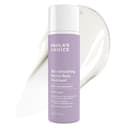
Paula's Choice Retinol Skin-Smoothing Body Lotion Treatment

Paula's Choice Retinol Skin-Smoothing Body Lotion Treatment

The body retinol to buy if you want the treatment to be the point rather than a bonus on a moisturizer. It is a proper targeted treatment from a brand that formulates seriously — and it is far and away the most expensive per ounce here, in the smallest bottle, which makes it a spot-treatment for crepey forearms and chest rather than a whole-body lotion.

Best treatment-first lotion
$37.00 · View on Amazon

Price as of September 12, 2026. #ad How we’re funded

4
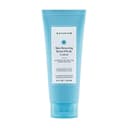
Naturium Skin-Renewing Retinol Body Lotion

Naturium Skin-Renewing Retinol Body Lotion

The sensible middle of this category: a shea-butter body lotion with retinol in it, in a size you can actually use on arms and legs, at a price that does not make you ration it. If you want one bottle that moisturizes properly and treats quietly, this is the shape that makes sense.

Best for hands and forearms together
$25.99 · View on Amazon

Price as of September 12, 2026. #ad How we’re funded

5
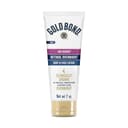
Gold Bond Age Renew Retinol Overnight Body & Face Lotion

Gold Bond Age Renew Retinol Overnight Body & Face Lotion

The drugstore default, and a reasonable one: retinol plus a peptide complex in an overnight lotion cleared for face as well as body. It is the cheapest way to start treating body skin, and the dual-use labeling makes it an easy single bottle — just do not expect it to outperform a dedicated face retinol on your face.

Best drugstore pick
$11.97 · View on Amazon

Price as of September 12, 2026. #ad How we’re funded

6
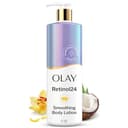
Olay Smoothing Body Lotion with Retinol Serum

Olay Smoothing Body Lotion with Retinol Serum

Effectively a everyday body moisturizer with retinol and Olay's vitamin B3 complex folded in, in a 17 oz bottle. Judge it as a moisturizer that treats a little rather than a treatment that moisturizes — which, for most people who just want smoother arms without a new routine, is the honest and useful framing.

Gentlest start
$10.97 · View on Amazon

Price as of September 12, 2026. #ad How we’re funded

The picks in full

#1Best overall

Soft Services Theraplush Fragrance-Free Overnight Retinol Repair Hand Cream

The one hand retinol that behaves like a serious face product: a stated 0.05% retinol in a rich overnight cream with colloidal oatmeal and panthenol, fragrance-free, in an airless refillable pump. It is built for exactly the problem hands have — a barrier stripped by washing — and it is priced like a face treatment, which on a 1.7 oz pod is the honest objection.

Strengths

  • Prints the strength — 0.05% retinol — which no body lotion on this site does
  • 1% colloidal oatmeal and 0.5% panthenol per the listing: barrier support in the same step
  • Fragrance-free variant, airless pump, and a 1.7 oz pod that a pair of hands will finish while it is fresh

Trade-offs

  • By far the highest price per ounce of any hand option — the set is case plus one pod, and refills are a recurring cost
  • 0.05% is a low number on paper; it is dosed for nightly use on wash-stripped skin, not for people chasing a strong retinol
  • The listing's roughly six-week-per-pod estimate assumes two pumps a night on hands only
Key activeRetinol (+ colloidal oatmeal, panthenol)
Stated concentration0.05%
FormatRich overnight hand cream
Fragrance-freeYes
Best forDry, Wash-stripped, Mature

Formulation note. Per its listing: 0.05% pure retinol, 1% colloidal oatmeal and 0.5% panthenol, fragrance-free, sold as the last step before bed for the hands. Dispensed from a refillable airless pump — the packaging this site keeps asking for on retinol products — with 50 ml (1.7 fl oz) per pod. The sibling 'Hold' listing is the same formula claims with an added fragrance; we link the fragrance-free one.

Ingredients and claims read from the product listing, on September 12, 2026. “Not published” means the brand does not state that figure.

#2Best stated strength on a budget

The Ordinary Retinol 0.5% in Squalane

The clearest-labeled retinol you can buy: an exact 0.5% pure retinol in a squalane base, at a price that makes 'start low and go slow' painless. For most people ready to move up from a starter strength, this is the sensible middle rung.

Strengths

  • Publishes the exact strength — 0.5% — which almost no drugstore retinol does
  • Squalane base is lightly occlusive and cushions irritation
  • Sold in 0.2% / 0.5% / 1% so you can step up deliberately

Trade-offs

  • Pure retinol in an anhydrous oil — no added niacinamide or soothing actives
  • Squalane finish can feel heavy layered over other oils
Key activeRetinol
Stated concentration0.5%
FormatLightweight oil serum
Fragrance-freeYes
Best forNormal, Dry, Not-too-sensitive

Formulation note. Pure retinol dispersed in squalane; no water phase, so none of the pH and packaging fuss vitamin C needs. The strength is printed on the label, which is the exception in this category, not the rule.

Ingredients and claims read from the product listing, on July 18, 2026. “Not published” means the brand does not state that figure.

#3Best treatment-first lotion

Paula's Choice Retinol Skin-Smoothing Body Lotion Treatment

The body retinol to buy if you want the treatment to be the point rather than a bonus on a moisturizer. It is a proper targeted treatment from a brand that formulates seriously — and it is far and away the most expensive per ounce here, in the smallest bottle, which makes it a spot-treatment for crepey forearms and chest rather than a whole-body lotion.

Strengths

  • Positioned as a treatment, not a lotion that happens to contain retinol
  • From a brand with a serious formulation record
  • Small enough to actually finish before it degrades

Trade-offs

  • By far the highest price per ounce here — impractical for full-body use
  • 4 oz does not go far on legs, arms and chest
  • Retinol percentage is not published on the listing
Key activeRetinol
Stated concentrationNot published
FormatBody lotion treatment
Fragrance-freeNot published
Best forNormal, Dry, Mature

Formulation note. Sold as a retinol body treatment rather than a moisturizer with retinol in it. The listing does not state the retinol percentage, so we print 'Not published' — at this price, that is a fair thing to be annoyed about.

Ingredients and claims read from the product listing, on August 11, 2026. “Not published” means the brand does not state that figure.

#4Best for hands and forearms together

Naturium Skin-Renewing Retinol Body Lotion

The sensible middle of this category: a shea-butter body lotion with retinol in it, in a size you can actually use on arms and legs, at a price that does not make you ration it. If you want one bottle that moisturizes properly and treats quietly, this is the shape that makes sense.

Strengths

  • Shea butter base means it works as a real moisturizer, not just a carrier
  • 8 oz is enough to cover arms and legs regularly
  • Mid-range price per ounce for a treatment lotion

Trade-offs

  • Retinol strength is not published
  • Stock has been thinner than the rest of this list — check availability before you plan around it
Key activeRetinol (+ shea butter)
Stated concentrationNot published
FormatRich body lotion
Fragrance-freeNot published
Best forDry, Normal

Formulation note. Retinol in a shea-butter body lotion base, per the listing. The emollient base is the reason it doubles as your moisturizer; the retinol figure is undisclosed, as it is across this whole category.

Ingredients and claims read from the product listing, on August 11, 2026. “Not published” means the brand does not state that figure.

#5Best drugstore pick

Gold Bond Age Renew Retinol Overnight Body & Face Lotion

The drugstore default, and a reasonable one: retinol plus a peptide complex in an overnight lotion cleared for face as well as body. It is the cheapest way to start treating body skin, and the dual-use labeling makes it an easy single bottle — just do not expect it to outperform a dedicated face retinol on your face.

Strengths

  • Lowest barrier to entry of anything here
  • Peptide complex alongside the retinol, per the listing
  • Labeled for face and body, so one bottle covers both

Trade-offs

  • Retinol strength is not published
  • A face-and-body formula is dosed conservatively — it is not a substitute for a real face retinol
Key activeRetinol + peptide complex
Stated concentrationNot published
FormatOvernight body lotion
Fragrance-freeNot published
Best forDry, Normal

Formulation note. Retinol with a peptide complex in an overnight lotion labeled for both face and body. Dual-purpose formulas are dosed for the more delicate application, so read this as a gentle body treatment rather than a strong one.

Ingredients and claims read from the product listing, on August 11, 2026. “Not published” means the brand does not state that figure.

#6Gentlest start

Olay Smoothing Body Lotion with Retinol Serum

Effectively a everyday body moisturizer with retinol and Olay's vitamin B3 complex folded in, in a 17 oz bottle. Judge it as a moisturizer that treats a little rather than a treatment that moisturizes — which, for most people who just want smoother arms without a new routine, is the honest and useful framing.

Strengths

  • Vitamin B3 (niacinamide) complex alongside the retinol
  • 17 oz at a drugstore price — genuinely generous
  • Fast-absorbing lotion texture that works as a daily moisturizer

Trade-offs

  • Lightest treatment intent of this list — a moisturizer first
  • Retinol strength is not published
Key activeRetinol + vitamin B3 complex
Stated concentrationNot published
FormatFast-absorbing body lotion
Fragrance-freeNot published
Best forNormal, Dry

Formulation note. Retinol with Olay's vitamin B3 (niacinamide) complex in a 17 oz fast-absorbing body lotion, per the listing. The niacinamide is the reason it stays comfortable daily; the retinol dose is undisclosed and, given the positioning, modest.

Ingredients and claims read from the product listing, on August 11, 2026. “Not published” means the brand does not state that figure.

How we ranked these

Four questions, in this order. They are not the questions we ask on the body-lotion pages, because hand skin has a different job and a different daily life.

  • Does the base put back what washing takes out? The AAD’s advice for hands is a fragrance-free, dye-free cream or ointment carrying lipids such as ceramides, humectants such as glycerin, and occlusives such as petrolatum — from a tube, not a thin pump lotion. A retinoid on top of a barrier that is already stripped is a bigger ask than the same retinoid on a face, so a base that repairs is worth more here than anywhere else on this site.
  • Is the strength stated? Only two products on this list print a number. The rest are the same undisclosed-dose body lotions we rank elsewhere, and we say so on every card. On hands you will be using the product for many months — the trials below ran 24 weeks to 10 months — and you cannot step up from a figure you were never given.
  • Is the size right for two hands? The inverse of the body-lotion rule. A 15 oz pump is not a virtue here; it is a bottle that will be a year old and oxidizing before you finish it. One to four ounces is the honest range for hands alone. The larger sizes on this list are here for people treating forearms in the same pass.
  • Is it built for the night routine? Retinol on hands has to go on after the last wash of the day and stay on. A formula sold as an overnight step, that does not transfer to bedding, or that sits comfortably under a cotton glove, is doing the job as it will actually be done.

One pick breaks the pattern deliberately. The Ordinary’s 0.5% is a face serum — the listing says so — with no barrier ingredients at all. It is here because it is the cheapest stated strength you can buy and because hands are the one body area where a 1 oz bottle is the right size. It needs a hand cream over it every night, and we say that plainly below.

Why hands age faster than the face

The AAD’s hand-care guidance makes three points that, together, explain most of what people see on the backs of their hands by their forties.

Sun. The hands are exposed to the elements more than other parts of the body, and unprotected sun exposure on them produces discolored spots (lentigines, the “age spots”), roughness, wrinkling and dryness. Hands are also where rough, scaly precancerous patches called actinic keratoses commonly develop, which is why this page has a see-a-dermatologist section rather than a footnote.

Washing. Antimicrobial cleansers can be more drying, alcohol sanitizing gels strip the skin’s own oils, and once the barrier is compromised from frequent wetting without enough moisturizing, irritants and allergens get in more easily. The scale of this is not theoretical. In a 2020 survey of 270 healthcare workers, 82.6% reported irritant dermatitis, the hands were the most affected site in 76% of cases, dry skin was the most common symptom — and 45% were not using any emollient at all.

Neglect. The face gets the sunscreen, the serum and the night cream. The hands get whatever is left on the palms. Our retinol and sunscreen guide already lists the backs of the hands among the areas retinol users treat at night and forget in the morning; this page is the treatment half of that observation.

What the evidence shows — and what it was done with

There is a real trial record for topical retinoids on sun-damaged hands and arms. An honest version of it has to say up front that almost all of it used prescription tretinoin, and that none of it used any product on this page.

  • Age spots, face and arms. The best-known study is a 1992 randomized, double-blind trial in the New England Journal of Medicine: 58 patients applied 0.1% tretinoin or vehicle cream daily to the face, the upper extremities, or both, for 10 months. Lightening was significant versus vehicle after one month. After 10 months, 83% of tretinoin-treated patients with facial spots had lightening against 29% on vehicle, and the authors report that the results for the upper extremities were similar. In a six-month follow-up, spots that had disappeared did not come back in any patient.
  • Backs of the hands, explicitly. Two double-blind multicenter trials published in 2000 treated solar lentigines on the face, forearms and backs of hands for up to 24 weeks with a combination of 0.01% tretinoin and a tyrosinase inhibitor, mequinol. The combination beat each component alone and vehicle on the forearms and face, with one exception against tretinoin alone on the face in the second trial. It was a prescription product and is not something we link to — it is here because it is the trial that put a retinoid on the backs of hands and measured what happened.
  • Forearms, prescription cream, three nights a week. A 2018 randomized, evaluator-blinded trial in 24 women over 60 treated one forearm with 0.05% tretinoin cream three nights a week and the other with a tretinoin peel. The mean photoaging score fell 20% and the actinic keratosis count fell 60%, and the authors describe tretinoin cream as the gold-standard treatment for photoaging.
  • Cosmetic retinol, on arms. The one trial here that used retinol rather than a prescription: a 2007 randomized, vehicle-controlled study in 36 people with a mean age of 87, in which 0.4% retinol lotion applied up to three times a week for 24 weeks significantly improved fine wrinkling on the treated arm, with biopsies in a subgroup showing more glycosaminoglycan and procollagen.

Now the caveats, which matter more than the numbers.

  • Strength. The retinol trial used a stated 0.4%, applied by study staff. One product on this list states 0.5%, one states 0.05%, and four state nothing. We cannot place the four anywhere relative to the trial, and neither can anyone else.
  • Frequency and duration. Three nights a week for six months is the pattern in both the forearm trials. That is slower than the nightly ramp most people attempt and longer than most people persist. Plan for it.
  • Arms are not hands. The back of the hand is thinner, gets washed, and is the site the dermatitis survey flagged. Extrapolating from a forearm is reasonable; it is still an extrapolation.

The washing problem, and the routine that gets around it

Every failure with retinol on hands comes down to the sink. Apply in the morning and it is gone by the second wash, with the irritation left behind. Apply at night on a barrier that has been stripped six times that day and the sting arrives early. The routine below is built from the AAD’s own hand-care steps with the retinoid slotted into the one place it can survive.

  1. During the day: cream after every wash, no retinol. The AAD’s three steps are to wash for at least 20 seconds in lukewarm water, dry with a clean towel while leaving the skin slightly damp, and apply hand cream or ointment to the damp skin, working it into fingertips and nails. Same after sanitizer, which the AAD calls very drying. A fragrance-free cream from a tube is the specification.
  2. Morning: sunscreen on the backs of the hands. Broad-spectrum, water-resistant, SPF 30 or higher, every day before going outside, year-round. The AAD says this prevents the wrinkling in the first place and is essential to keeping any result you get. Retinoids raise sun sensitivity on top of that.
  3. Night: the last wash, then dry hands, then the retinoid. Unlike the daytime cream, a retinoid goes on fully dry skin — damp skin pulls it in faster and stings more. Two or three nights a week for the first month, exactly as on the face; our frequency guide has the ramp. Wait a few minutes.
  4. Then seal it. The AAD’s overnight hand step is a cream or ointment to seal in moisture, then cotton gloves, then sleep. On a retinol night that layer goes over the retinoid, not under it, and it is what stops the product ending up on your pillowcase. The one pick built as an overnight hand cream does this in a single step; the serum and the lotions need it added.
  5. Wear gloves for the wet work. Hot water, detergents and yard work dry and age the hands, per the AAD. Gloves for dishes and gardening do more for hand skin than any product on this page, and they cost less than all of them.

The two things the routine above assumes you own

Neither is a retinol. The cream is the after-every-wash layer the AAD asks for, fragrance-free and from a tub; the ointment is the overnight seal that goes over a retinoid on hand nights, under cotton gloves. Both are cheaper than any pick above and do more of the daily work.
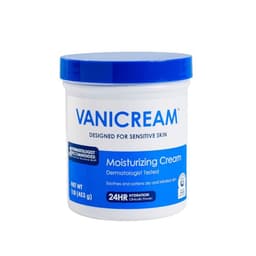
Vanicream Moisturizing Cream, 16 oz tub

The sandwich layer

Vanicream Moisturizing Cream, 16 oz tub

The dull, no-actives cream the sandwich method asks for — the listing's own pitch is that it is formulated without common irritants, which is the whole specification here. The tub size is the point: buffering only works if you are generous with it.
$13.19 · View on Amazon

$14.7711% off

Price as of September 12, 2026. #ad How we’re funded

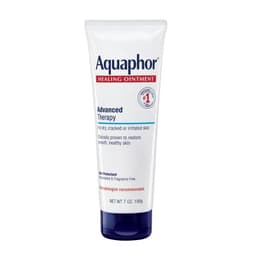
Aquaphor Advanced Therapy Healing Ointment, 7 oz

For the flaky patches

Aquaphor Advanced Therapy Healing Ointment, 7 oz

A skin protectant ointment for the places a retinoid peels first — the creases beside the nose, the corners of the mouth, the patch where you used too much. It seals rather than treats, which is exactly what an over-worked barrier needs, and it is the wrong thing to put under a retinol layer.

$12.97 · View on Amazon

Price as of September 12, 2026. #ad How we’re funded

None of these are retinols — they are the supporting products this page already recommends, listed so you can act on the advice. Product images supplied by Amazon; prices are live and dated on each button.

Age spots on the hands: a realistic expectation

This is what most people are actually buying a hand retinol for, so it deserves a straight answer. The AAD lists creams and lotions among the treatments a dermatologist can use on hand age spots, with an honest ranking: they take the longest to deliver results, and they cost less. The faster options — cryosurgery, laser, chemical peeling, microdermabrasion — are in-office.

The timeline from the tretinoin trial is the best available guide. Measurable lightening at one month, the headline result at ten, and durable for at least six months after stopping. Those were prescription-strength numbers. With an undisclosed cosmetic dose, assume slower and assume partial, and judge in months rather than weeks. Our dark spots page covers the mechanism and the morning vitamin C pairing, and our sun damage page covers the wider photoaging picture that hand spots belong to.

One rule from the AAD applies before any of that: new or changing spots get checked first. A spot that treats like an age spot but is not one is the reason to see a dermatologist before you see a checkout page.

Crepey hands: what a topical can and cannot do

The AAD separates two things that look alike on the back of a hand. The first is wrinkly, crepe-paper skin from sun, which it says a retinol or glycolic acid lotion at bedtime can help, often paired with a light peel. The second is loss of fullness, where the skin goes lax and the veins and tendons show — and for that it lists fillers and fat transfer, not lotions. If your hands look older mainly because you can see the bones and veins, a retinoid will improve the surface and change nothing about the volume. Our crepey skin page covers the texture side across arms and chest, where the sizing logic is the opposite of this page.

Which pick for which hands

  • You want one product that does the whole night step. The Soft Services cream: stated 0.05% retinol, colloidal oatmeal and panthenol for the barrier, fragrance-free, an airless pump, and sold for exactly this use. The price is the objection, and the refill pod is a recurring one.
  • You want a stated strength for the least money. The Ordinary 0.5% in squalane, with a hand cream over it. A 1 oz bottle lasts months on hands. The squalane is an oil, not a barrier cream, so the sealing step is not optional.
  • You want a treatment lotion, and 4 oz is the right amount. The Paula’s Choice body treatment. Its main drawback on every other page — a small, expensive bottle — is close to ideal on hands, though the strength is still unstated.
  • You are doing hands and forearms in the same pass. The Naturium 8 oz: a shea-butter base that moisturizes properly, in a size that covers both without rationing. Our full review takes the formula and the size question apart.
  • You want to spend as little as possible to find out if you will stick with it. Gold Bond’s overnight lotion, labeled for face and body and dosed conservatively for that reason. Or the Olay, which is a moisturizer first with a modest retinol benefit and niacinamide alongside — the gentlest place to begin if your hands are already chapped.

What we left out, and when to see a dermatologist

“Crepe corrector” hand creams. A search for retinol hand cream surfaces several, including Gold Bond’s. Its published ingredient list contains no retinoid. It may well be a good day cream — that is not a criticism — but it is not a retinol product, so it does not rank here.

Marketplace “retinol hand creams” with no stated strength. The same search returns a rotating set of them. With no percentage, no brand record and no formulation we can read, we cannot rank them against anything, so we did not.

The scented version of our top pick. The Soft Services cream is sold in a scented variant with the same stated actives. On hands that are washed all day, the AAD’s advice is fragrance-free, so we link only the fragrance-free one.

Glycolic acid hand lotions. The AAD names glycolic acid alongside retinol for crepey hands, and it is a reasonable alternative for people who cannot tolerate a retinoid. It is not a retinoid, which is what this site covers. Our retinol vs glycolic acid comparison sets out the choice.

And the handoff. Rough, scaly patches on the backs of the hands may be actinic keratoses, which the AAD describes as precancerous growths that usually develop in fair-skinned people aged 40 or older; the forearm trial above is a reminder that this is treated medically, not cosmetically. Spots that are new, changing or irregular get examined before they get treated. Hands that crack, bleed, or stay dry after the routine above may have hand eczema, and the AAD notes that some people need a prescription cream or ointment to heal dry skin — a retinoid on top of that is the wrong order of operations. This page is general information, not medical advice.
Frequently asked questions

Can you use retinol on your hands?

Yes. The American Academy of Dermatology lists a lotion containing a retinol, applied before bedtime, among the treatments a dermatologist may recommend for wrinkly, crepe-paper-like skin on the hands. The published trials on sun-damaged hands and arms used prescription tretinoin, so set expectations for a cosmetic retinol lower and slower — but there is nothing about hand skin that makes retinol unsuitable, provided it goes on at night after the last wash and is sealed with a hand cream.

What is the best retinol for hands?

For hands specifically, the product that states its strength and repairs the barrier in the same step: the Soft Services Theraplush fragrance-free cream, at a stated 0.05% retinol with colloidal oatmeal and panthenol, is the only hand-specific pick on this page that prints a number. If the price is the problem, The Ordinary's 0.5% in squalane is the cheapest stated strength you can buy, and a 1 oz bottle lasts months on two hands — it just needs a plain hand cream over it every time.

Does retinol get rid of age spots on hands?

It can lighten them, slowly. In a 10-month randomized trial of prescription 0.1% tretinoin on the face and upper extremities, lightening was significant after one month and 83% of tretinoin-treated patients had lightening of facial spots at 10 months against 29% on vehicle, with similar results on the arms. That was prescription strength. The AAD's own summary is that creams and lotions take the longest of any age-spot treatment and cost the least. Have new or changing spots checked by a dermatologist before treating them.

Can I use my face retinol on my hands?

Yes, and hands are the one body area where it makes financial sense — two backs of hands are a small surface, so a 1 oz face serum is not the rationing problem it is on arms or chest. Apply it at night after your last wash, to dry skin, and put a fragrance-free hand cream or ointment over it, because most face serums carry none of the barrier ingredients hand skin needs after a day of washing.

Why does retinol sting more on my hands than my face?

Because the barrier is usually already stripped. Antimicrobial soap and alcohol sanitizer remove the skin's own oils, and in a survey of 270 healthcare workers the hands were the most commonly affected site for irritant dermatitis, with dry skin the most common symptom. A retinoid on that surface stings early. Moisturize after every wash during the day, start at two or three nights a week, apply to fully dry skin, and seal with a cream or ointment — or stop the retinoid until the hands have healed.

Should I put retinol on my hands in the morning or at night?

Night, without exception on hands. A morning application is washed off within hours and leaves only the irritation behind, and retinoids raise sun sensitivity on skin that the AAD says needs daily SPF 30+ anyway. Apply after the last wash of the day, then follow the AAD's overnight hand step — cream or ointment, cotton gloves, sleep.

How long does retinol take to work on hands?

Months. The forearm and arm trials ran 24 weeks at three applications a week, and the tretinoin age-spot trial ran 10 months. Expect the moisturizing base of a good hand product to improve how the skin looks within days, and the retinoid effect on texture and spots to show over months two to six. Judge the product by whether you are still using it at the six-month mark, and protect the hands from sun every day or you will replace the damage as fast as you treat it.

Do I need a special retinol hand cream, or will a body lotion do?

A body lotion will do the job, with two caveats. None of the body retinols on this site publishes a strength, so you are starting from an unknown; and a 15 oz bottle bought for hands alone will be a year old before you finish it, which matters for an ingredient that degrades once opened. The case for a dedicated hand product is a stated strength, a barrier-repair base and a size two hands will finish while it is fresh — which is a description of one product here, at a price that is the honest objection to it.

Sources

  • American Academy of Dermatology — What can make my hands look younger?AAD states that for wrinkly, crepe-paper-like skin on the hands a dermatologist may recommend a lotion containing a retinol or glycolic acid, applied before bedtime, often alongside a light chemical peel every 1 to 3 months; that many adults develop age spots on their hands which grow with age and time in the sun, and that skin-lightening creams and lotions take the longest to deliver results but cost less than cryosurgery, laser, peels or microdermabrasion; that rough scaly patches on the hands may be actinic keratoses (precancerous growths that usually develop in fair-skinned people aged 40 or older) and should be checked by a dermatologist; that loss of fullness makes hand skin lax and crepe-paper-like and is treated with fillers, not topicals; and, for maintaining results, to apply a broad-spectrum water-resistant SPF 30+ sunscreen to the hands every day before going outdoors, wear gloves while cleaning and gardening because hot water, detergents and yard work dry and age the hands, and moisturize after washing (accessed September 12, 2026)
  • American Academy of Dermatology — 4 skin care tips for your handsAAD (quoting board-certified dermatologist Diane S. Berson, MD, FAAD) states that the hands are exposed to the elements more than other parts of the body; that once the barrier is compromised from frequent wetting and not moisturizing enough, irritants, allergens and infectious particles are more likely to penetrate, and severely dry skin can develop deep cracks and infections; that antimicrobial cleansers can be more drying and alcohol sanitizing gels strip the skin's natural oils, so a moisturizer should be applied after every wash or sanitizer use; to choose a fragrance-free, dye-free hand cream or ointment containing lipids (ceramides), humectants (glycerin, hyaluronic acid) and occlusives (mineral oil, petrolatum), from a tube rather than a pump bottle; that unprotected sun exposure on the hands produces age spots (lentigines), roughness, wrinkling and dryness, and that hands are prone to actinic keratoses; to apply a broad-spectrum, water-resistant SPF 30+ sunscreen to the hands daily year-round; and, at night, to apply a cream or ointment and then put on cotton gloves (accessed September 12, 2026)
  • American Academy of Dermatology — Dry skin relief from handwashingAAD's three steps: wash for at least 20 seconds in lukewarm water; dry with a clean towel but leave some water on the hands; apply hand cream or ointment to the damp skin, working it into fingertips and nails. It states that dry, cracked skin makes it easier for germs to get in; that a moisturizer containing mineral oil or petrolatum, sold in a tube or tub rather than a pump bottle and labeled fragrance-free and dye-free tends to feel least irritating on chapped skin; that hand sanitizer can be very drying and should be followed immediately by hand cream or ointment; and that some people need a prescription cream or ointment to heal dry skin (accessed September 12, 2026)
  • Rafal ES, Griffiths CE, Ditre CM, et al. — Topical tretinoin (retinoic acid) treatment for liver spots associated with photodamage (N Engl J Med, 1992)10-month randomized, double-blind, vehicle-controlled trial in 58 patients applying 0.1% tretinoin (n = 28) or vehicle (n = 30) cream daily to the face, the upper extremities, or both. Significant lightening of hyperpigmented lesions versus vehicle after one month (p < 0.002); after 10 months 83% (20 of 24) of tretinoin-treated patients with facial lesions had lightening versus 29% (8 of 28) on vehicle, and the results for lesions of the upper extremities were similar. Biopsies showed decreased epidermal pigmentation, correlated with clinical lightening. In a 6-month follow-up, lesions that had disappeared did not return in any patient, and 6 of 7 who continued tretinoin improved further. Prescription tretinoin, not cosmetic retinol (accessed September 12, 2026)
  • Fleischer AB Jr, Schwartzel EH, Colby SI, Altman DJ — The combination of 2% 4-hydroxyanisole (mequinol) and 0.01% tretinoin is effective in improving the appearance of solar lentigines and related hyperpigmented lesions in two double-blind multicenter clinical studies (J Am Acad Dermatol, 2000)Two phase III randomized, controlled, double-blind trials in which subjects applied a 2% mequinol / 0.01% tretinoin solution, either active alone, or vehicle twice daily to all solar lentigines and related hyperpigmented lesions on the face, forearms and BACKS OF HANDS for up to 24 weeks. The combination was clinically superior to each component and to vehicle on the forearms and face (p <= .03, except versus tretinoin alone on the face in trial 2). Most skin-related adverse events were mild. A prescription combination that is no longer widely sold — cited here because it is the trial that explicitly treated the backs of the hands, not as a product recommendation (accessed September 12, 2026)
  • Sumita JM, Miot HA, Soares JLM, et al. — Tretinoin (0.05% cream vs. 5% peel) for photoaging and field cancerization of the forearms: randomized, evaluator-blinded, clinical trial (J Eur Acad Dermatol Venereol, 2018)Randomized, intrasubject, evaluator-blinded trial in 24 women over 60 (48 forearms, Fitzpatrick II-III): one forearm treated with 0.05% tretinoin cream three nights a week, the other with a 5% tretinoin peel every 2 weeks. The mean photoaging score fell 20% and the mean actinic keratosis count fell 60%, with no difference between regimens; the cream was superior on ultrasound measures of aging and both were well tolerated. The authors describe topical tretinoin cream as the gold-standard treatment for photoaging. Prescription strength, applied to the forearm — the nearest published evidence to the back of the hand (accessed September 12, 2026)
  • Kafi R, Kwak HS, Schumacher WE, et al. — Improvement of naturally aged skin with vitamin A (retinol) (Arch Dermatol, 2007)Randomized, double-blind, vehicle-controlled left-versus-right ARM study in 36 elderly subjects (mean age 87): 0.4% retinol lotion or vehicle applied by study staff up to 3 times a week for 24 weeks. Fine wrinkling scores improved significantly on the retinol arm (-1.64 versus -0.08 on vehicle; p < .001), with increased glycosaminoglycan expression and procollagen I staining on biopsy. The cosmetic-retinol trial closest to hand skin: it is the arm rather than the hand, a stated 0.4%, and three applications a week (accessed September 12, 2026)
  • Kiely LF, Moloney E, O'Sullivan G, Eustace JA, Gallagher J, Bourke JF — Irritant contact dermatitis in healthcare workers as a result of the COVID-19 pandemic: a cross-sectional study (Clin Exp Dermatol, 2021)Single-center cross-sectional survey of 270 healthcare workers during April-May 2020: 82.6% reported symptoms of irritant contact dermatitis, the hands were the most commonly affected site (76.47%), dry skin was the most frequently reported symptom (75.37%), 99.26% had increased hand-washing frequency, and 45.35% did not use emollients. A history of dermatitis was far more common in the affected group (24.7% versus 4.3%). Cited for the scale of what washing does to hand skin, not as evidence about retinoids (accessed September 12, 2026)
  • American Academy of Dermatology — What can get rid of age spots?AAD on fading age spots and on getting new or changing spots checked first (accessed August 11, 2026)
  • American Academy of Dermatology — Retinoid or retinol?AAD on the difference between prescription retinoids and OTC retinol (accessed July 17, 2026)
  • The use of retinoids in the treatment of photoaging (PubMed)Clinical-trial evidence for topical retinoids in photoaging (accessed July 17, 2026)

Keep reading