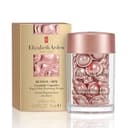
What ceramides are actually doing next to a retinoid
The outermost layer of skin behaves like a wall: corneocytes are the bricks, and a lipid matrix of ceramides, cholesterol and free fatty acids is the mortar. When that mortar is depleted, water leaves faster than it is replaced and irritants get in more easily. That is the state retinized skin is in during the adjustment weeks, and it is why the symptoms arrive together — dryness, flaking, stinging on application of things that never used to sting.
A moisturizer can address that in three ways, and the reference pharmacology literature separates them clearly: humectants pull water in, occlusives slow water out, and emollients supply the lipids the matrix is missing. Ceramides sit in that third group, and they are the one lipid class whose absence is specifically characteristic of a compromised barrier. So a ceramide-containing retinol is not a marketing pairing in the way “retinol with collagen” is. It is the treatment and the repair in the same step.
The thing nobody prints
Not one product on this page states how much ceramide it contains, and only one of the six states its retinol strength. Both figures are allowed to be hidden: US labeling rules order ingredients by predominance only down to 1%, and below that a brand may list them in any order it likes. Every retinoid and every ceramide in a cosmetic is under 1%. So the ingredient list proves the ceramides are present and proves nothing whatsoever about the amount.
That is not a reason to dismiss the claim, and it is not a reason to trust the claim either. It is a reason to rank on the things that are published, which is what this page does. Our guide to retinol percentages works through what to do when a brand will not print a number.
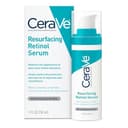
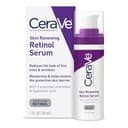
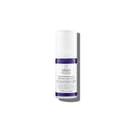
Two of the picks are worth reading in full before you choose between them, because they are the two most often confused. The CeraVe Skin Renewing serum is the anti-aging one and the Resurfacing serum is the marks-and-texture one — people buy the wrong one constantly. At the other end of the price range, the Kiehl’s Micro-Dose serum sells a dose rather than a strength, which is a real proposition and an expensive one.
The criteria, in order
- Ceramides stated by the brand.On the listing, the ingredient list or the product page. No inference, no “barrier blend” wording.
- A real retinoid. Retinol, retinal or a retinoid ester the brand names. A product whose only vitamin A is unidentified does not qualify.
- A stated strength wins where one exists. It almost never does in this category, which is itself the finding.
- The base has to suit the skin that needs ceramides. Dry, reactive or mid-adjustment skin does not want an astringent finish.
- Enough product for the job at a price you will repeat. Barrier repair is a maintenance habit, and an expensive bottle that gets rationed does the opposite of what it is for.
Pre-combined, or ceramides as a separate layer?
Both work. The honest difference is adherence, not chemistry.
A combined product removes a decision from a routine performed at night by someone who wants to go to bed, which is the single biggest predictor of whether a retinoid gets used long enough to do anything. A separate ceramide cream gives you control over the ratio — you can use far more of it during a bad week and taper it later — and lets you keep a retinol you already like. If you are flaking right now, the separate cream is better, because you need a quantity of it that no combined formula contains. If you are not, the combined one is better, because you will actually use it.
The sandwich method is the layered version of this done deliberately, and it is the first thing to try before changing products at all.
What we left out, and why
CeraVe’s retinol cream with SPF 30states three ceramides and would otherwise qualify. It is excluded because it is a daytime product and retinol is fundamentally a PM active — recommending it inside a retinol roundup invites people to treat it as their treatment, which it is not. It is a good daytime moisturizer that happens to contain retinol, and we say so in the retinol creams roundup.
Products whose ceramides we could not verify are not here, however well they would have ranked. Several popular retinols market barrier repair without naming a ceramide anywhere a buyer can read it, and an unverifiable claim is not a pick. Body lotions are also out: the ceramide question on a 400 ml body lotion is a different cost calculation, and it belongs in the body lotion roundup.
How to use one of these
Exactly as you would use the retinol without the ceramides. Two nights a week for the first month, on dry skin, after cleansing, a pea for the whole face. The ceramides change what happens if you overdo it; they do not change the dose. If you are starting from nothing, our beginner roundup and starter guide set the schedule properly, and sunscreen every morning is not optional on any of them.