Why pores look larger than they are
Three separate factors drive the appearance, and only two are addressable.
Congestion — addressable
A pore is the opening of a follicle, and it is a channel for the oil your sebaceous gland produces. When oil mixes with dead skin cells and sits in that channel, the pore is physically distended and the plug at the top oxidizes and darkens. The result looks like a large pore and is really a full one. Improving turnover so that the channel clears more efficiently is the most reliable way to change this — and it is exactly what a retinoid does.
Lost firmness — addressable, slowly
The skin around a pore holds its shape. As collagen declines with age and sun damage, that support slackens and the opening reads as more open, which is why many people notice their pores “growing” in their thirties and forties without any change in oiliness. Retinoids have the strongest over-the-counter evidence for supporting collagen and improving photoaged skin, so this is the slower, longer-horizon part of the benefit — measured in many months.
Genetics and oil production — not addressable with a cream
Baseline pore size and how much oil you produce are largely inherited, and no topical rewrites either. This is the part worth accepting rather than spending against. If your pores were prominent at twenty on clear, firm skin, they will be prominent at forty — the realistic goal is keeping them clear and the surrounding skin firm, not eliminating them.
How to choose a retinol for pore appearance
The criteria differ a little from a general anti-aging purchase.
Favor a lighter base. Skin with visibly large pores is usually oilier skin, and a rich, occlusive night cream is not what it needs. A serum in a light lotion or fluid base layers better and is less likely to contribute to congestion. That is why our picks here skew toward serums rather than the cream formats we recommend for dry, mature skin.
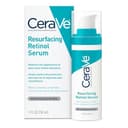
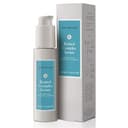
Look for texture-focused formulation.Some retinols are built around lines and firmness; others are aimed at surface texture and congestion. Our top pick pairs encapsulated retinol with niacinamide and ceramides and is sold specifically for pore appearance and texture — the niacinamide is a genuine plus here, with published evidence for improving tone, texture and barrier function.
Don’t over-reach on strength. A high-strength retinol will not clear congestion faster; it will irritate your barrier, and irritated skin often produces more oil and looks worse. Start at a modest or well-buffered strength, get to consistent use, and only then consider our high-strength picks.
What else actually helps — and what makes it worse
Retinol is one part of a sensible approach, and we would rather give you the whole picture than pretend one bottle is the answer.
Sunscreen matters more than people expect. Sun damage degrades the collagen that holds pore openings taut, so daily broad-spectrum SPF is genuinely part of pore management over a lifetime, not just a retinol safety requirement. Salicylic acid (BHA)is oil-soluble and works inside the pore channel, which makes it a reasonable complement — though not in the same evening routine as your retinol when you are starting out. Niacinamide has published support for texture and tone and pairs comfortably with retinol.
What makes it worse: aggressive scrubbing, pore strips, and stacking too many actives at once. All three damage the barrier, and a damaged barrier produces redness and irritation that make skin texture read worse, not better. Squeezing congestion out manually stretches the pore opening and can leave marks that outlast the blackhead. Our layering guide covers combining actives safely, and our retinol for acne and marks page covers congestion that has progressed to breakouts.
What to realistically expect
Over the first one to three months of consistent use, the change most people notice is smoother surface texture and fewer visible plugs — skin that reads clearer rather than pores that have vanished. The firmness side takes considerably longer, and is best thought of as slowing a decline rather than reversing one. Photograph your skin under consistent lighting at the start if you want an honest comparison later; pore appearance varies enormously with light, angle and time of day, and memory is a poor baseline. This is general information, not medical advice — persistent congestion or acne is worth a dermatologist’s opinion.
If pore visibility is only part of what is bothering you — if skin also reads rough, bumpy or uneven in side light — that is a related but wider complaint with four separate causes behind it, and a retinoid answers only some of them. Our page on retinol for textured skin sorts them out and ranks picks against each.