Elizabeth Arden Retinol + HPR Capsules Review
Retinol degrades in light and air. A sealed single-dose capsule removes both problems completely, and takes the guesswork out of how much to apply. Both benefits are real — and you pay for them every single night.
How this is funded: we earn a commission if you buy through our links, at no extra cost to you. It never changes which product we recommend, and we’ll tell you when we’d skip one. Full disclosure.
Single-dose capsules that solve retinol's real packaging problem — light and air — by never exposing the rest of the product to either. It pairs retinol with HPR, a retinoid ester, plus ceramides. The dose control is genuine; the price per night is not small.
Strengths
- Each capsule is airtight and single-use, so the retinol cannot oxidize in the bottle
- One capsule is a pre-measured dose — no guessing at how much to use
- Retinol plus HPR plus ceramides, so there is buffering built in
Trade-offs
- Expensive per night, and a 30-count is one month at nightly use
- Neither the retinol nor the HPR concentration is published
- Single-use plastic capsules are a real waste trade-off
| Key active | Retinol + HPR (hydroxypinacolone retinoate) + ceramides |
|---|---|
| Stated concentration | Not published |
| Format | Single-dose capsule serum |
| Fragrance-free | Not published |
| Best for | People who want a measured nightly dose and airtight packaging |
Formulation note. Physically encapsulated single doses — a sealed capsule per night — rather than molecular encapsulation of the retinol itself. Both approaches address stability; they are not the same thing, and the listing describes the capsule format. Concentrations are undisclosed.
Ingredients and claims read from the product listing, on August 11, 2026. “Not published” means the brand does not state that figure.
Almost every complaint this site has about retinol packaging is solved by this format. Light degrades retinol; a sealed opaque capsule blocks it. Air oxidizes it; a capsule is airtight until you twist it. Fingers introduce microorganisms; a capsule is single-use. The rest of the box is untouched until the night you reach for it.
That is not a marketing story, it is physics, and it is the strongest argument for the format. The questions worth asking are what else you are getting, and what it costs per night.
The stability case, properly made
Retinol is unstable by nature, which is why the category ships in opaque tubes and airless pumps rather than the clear glass a vitamin C brand would use. The FDA’s own guidance on cosmetic shelf life notes that dipping fingers into a product introduces microorganisms preservatives then have to control, that preservatives themselves break down over time, and that heat accelerates the whole process.
A single-dose capsule removes every one of those routes at once. Our shelf-life guide ranks the packaging formats, and capsules sit at the top of that list with airless pumps just behind. Jars sit at the bottom, which is where a surprising number of premium night creams still live.
The second benefit is dose control, and it is underrated. Over-application is one of the most common early retinol mistakes — more product does not produce more result, because the receptors involved saturate, but it does produce more irritation. A pre-measured capsule makes that mistake impossible. Our mistakes guide covers the others.
What is actually in it
Retinol plus HPR — hydroxypinacolone retinoate, a synthetic ester of retinoic acid — plus ceramides. As a formulation idea that is coherent: a well-evidenced retinoid, a gentler-reputation retinoid ester, and barrier support in the same dose.
It is also the combination that appears in the HPR literature. The most frequently cited study is an open pilot of 98 patients using a fixed combination containing 0.1% HPR together with 1% encapsulated retinol for mild-to-moderate acne, reporting a 41% mean reduction in acne grade with 15.3% experiencing mild-to-moderate local side effects — and its authors calling for a controlled trial to confirm the result. Our retinol vs Granactive Retinoid comparison sets out what that evidence does and does not support.
What we cannot tell you is how much of either is in this capsule. Neither figure is published, so our spec table prints Not published twice. On a product whose central proposition is a measured dose, that is a pointed omission — a measured dose of an undisclosed amount is only half the promise.
Physical capsules are not molecular encapsulation
Worth separating, because the word does double duty in this category and the confusion is common. This product is a physically encapsulated single dose: a sealed shell holding a night’s worth of serum.
Molecular encapsulation is something else entirely — the retinol itself is held inside a carrier that releases it gradually into skin, which is a delivery and tolerability mechanism rather than a packaging one. CeraVe’s resurfacing serum is the familiar example. Both approaches address stability; they are not the same thing, and one does not imply the other. Our encapsulated roundup covers the distinction in detail.
The cost, and the waste
A 30-count is a month of nightly use. That framing makes the cost per night obvious, and it is not small — this is a premium product with a premium consumable model, and the math does not improve with familiarity.
There is a partial mitigation while you are building tolerance: at two or three nights a week, a box lasts two to three months. And splitting a capsule between face and neck is common practice, though the contents will not keep once opened, which is the flip side of the sealed benefit.
The other cost is environmental. Single-use plastic capsules produce more packaging waste per application than any other format here. We would rather name that than pretend it is not part of the trade — the stability benefit is real and so is the waste.
Who it suits
People who want the retinol they apply on night ninety to be the same as the retinol they applied on night one. That is a genuine benefit and the format delivers it more completely than any tube or pump.
It also suits people who over-apply, people who travel with skincare and worry about heat and leakage, and people who want a routine with no decisions in it. And it makes an unusually good gift — sealed, measured, hard to misuse — which is why our gift guide favors the format.
Who should skip it
Anyone who wants a published strength. Two undisclosed actives at this price is the hardest thing about the product to justify, and our strength guide explains why it matters for every decision you make afterwards.
Anyone on a budget. The same stability benefit is available in a drugstore capsule product — our RoC Retinol Correxion capsules review covers it — and a pump-packaged retinol at a tenth of the cost per night gets you most of the way there.
Anyone treating more than a face — a capsule sized for a face will not stretch to a chest, and our body lotion roundup is where that reader belongs. And anyone for whom single-use packaging is a dealbreaker.
How to use it
At night, on clean and completely dry skin. Twist the capsule open, apply the contents to the whole face, and discard the shell — it will not keep. Twice a week to begin with, building slowly, per our frequency guide; a pre-measured dose is not a reason to skip the ramp-up when you cannot see the strength.
Moisturizer over the top every time. No acids or strong vitamin C in the same routine while you adjust, per the layering guide. And broad-spectrum sunscreen every morning, which no packaging innovation removes the need for.
The verdict
The best-protected retinol format there is, executed by a brand that has been doing capsules for a long time, with genuine dose control and a sensible supporting formula. If stability and simplicity are what you want from a retinoid, this delivers them completely.
The reservations are price and disclosure. Paying premium money for two actives whose amounts are not published is a lot to take on trust, and the drugstore capsule alternative offers the same packaging argument for much less. Buy this for the format, with your eyes open about what it costs per night.
General guidance, not medical advice. Retinol Room is written by an enthusiast, not a dermatologist. For a diagnosis, a reaction, or a prescription active like tretinoin, see a qualified professional. Introduce any new active slowly and patch-test first.
If it’s not the one, consider these
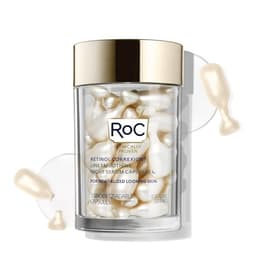
RoC Retinol Correxion Anti-Aging Wrinkle Night Serum Capsules (30 ct)
The same single-dose capsule format at a drugstore price, if the packaging rather than the brand is what appeals.
Read the full review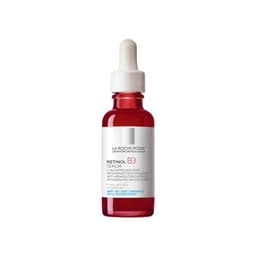
La Roche-Posay Pure Retinol Face Serum (B3 + HA)
Pure retinol with niacinamide and hyaluronic acid buffering, in a tube, at a much lower cost per night.
$44.99 · View on AmazonRead the full reviewPrice as of October 4, 2026. #ad How we’re funded
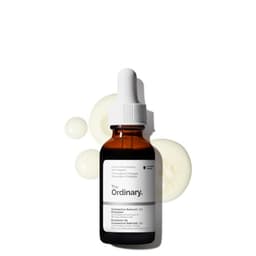
The Ordinary Granactive Retinoid 2% Emulsion
If the HPR half is the appeal, the cheapest way to buy that molecule on its own — with the same evidence caveats.
$12.10 · View on AmazonRead the full reviewPrice as of October 4, 2026. #ad How we’re funded
Frequently asked questions
Are retinol capsules better than a bottle?
For stability, clearly yes. Each capsule is sealed and single-use, so the retinol inside has never met light or air, and the rest of the box is untouched until the night you open it. The FDA notes that dipping fingers into a product and exposing it to heat both shorten a cosmetic's usable life — a capsule removes both routes entirely.
What is HPR, and why is it in here?
Hydroxypinacolone retinoate, a synthetic ester of retinoic acid, described in the published literature as a retinoid with a gentler reputation than retinol. Pairing it with retinol is a reasonable formulation idea — the acne study that features most often in the HPR literature tested exactly that kind of combination — but neither concentration is published here.
How much is one capsule?
One capsule is one night's dose for the whole face, which is the point of the format. A 30-count is therefore a month of nightly use, or considerably longer while you are ramping up at two or three nights a week. Work out the cost per night before buying, because it is the number that matters.
What strength is it?
Not published, for either active. Our spec table prints 'Not published' twice, which is a lot of missing information on a premium product whose whole pitch is dose control. Knowing the amount is pre-measured is not the same as knowing what the amount is.
Is the packaging wasteful?
Yes, and we would rather say so than skip it. Single-use plastic capsules generate more waste per application than any other format in the category. Some brands use plant-derived materials; either way it is a real trade rather than an imaginary one, and worth weighing against the stability benefit.
Is this good for beginners?
The pre-measured dose is genuinely beginner-friendly — over-application is one of the most common early mistakes, and a capsule makes it impossible. What is not beginner-friendly is the price and the undisclosed strength. A stated 0.2% costs a fraction and teaches you more.
Can I use half a capsule?
You can, and plenty of people do while building tolerance — twist it open, use half on the face, and the remainder on the neck or the backs of the hands. It will not keep until tomorrow once opened, which is the flip side of the sealed-until-use benefit.
Sources
- U.S. FDA — Shelf Life and Expiration Dating of Cosmetics — FDA states no U.S. law requires cosmetics to carry an expiration date, that drugs (including sunscreens and acne treatments) must, and that heat and dipping fingers into a product shorten its usable life (accessed August 19, 2026)
- Veraldi S et al. — Hydroxypinacolone retinoate with retinol glycospheres in mild to moderate acne (G Ital Dermatol Venereol, 2015) — Open pilot study of a fixed combination containing 0.1% hydroxypinacolone retinoate (a synthetic ester of 9-cis-retinoic acid) plus 1% encapsulated retinol: 41% mean reduction in acne grade, 15.3% mild-to-moderate local side effects, and the authors themselves call for a controlled trial (accessed August 19, 2026)
- American Academy of Dermatology — Retinoid or retinol? — AAD on the difference between prescription retinoids and OTC retinol (accessed July 17, 2026)
- Human Skin Aging and the Anti-Aging Properties of Retinol (PubMed) — Review of topical retinol's effect on collagen and photoaging (accessed July 17, 2026)
- Moisturizers — StatPearls (NCBI Bookshelf) — Reference on humectants (hyaluronic acid), occlusives and emollients (accessed July 17, 2026)
Keep reading
Does retinol expire?
The stability problem this format is built to solve, and the packaging hierarchy in full.
Read the guideRetinol vs Granactive Retinoid
What HPR is, what the evidence supports, and why it appears alongside retinol here.
Compare the twoBest encapsulated retinol
Two different things are sold under that word — and this is the physical kind.
See the picksRetinol gift guide
Where a pre-measured, sealed dose is a genuinely sensible thing to give someone.
See the picksRoC Retinol Correxion capsules, reviewed
The drugstore capsule: an eight-ingredient, fragrance-free formula in the same sealed format, at a fraction of the cost per night.
Read the review