How to Use Retinol
The whole method fits in five steps: cleanse and dry, a pea-sized amount at night, start slow, moisturize, and wear sunscreen every morning. Here's how to run it without a fortnight of flaking.
How this is funded: we earn a commission if you buy through our links, at no extra cost to you. It never changes which product we recommend, and we’ll tell you when we’d skip one. Full disclosure.
Most retinol disappointment is a technique problem, not a product problem. The people who quit almost always did one of a handful of predictable things — slathered on too much, used it every night from day one, skipped the moisturizer, forgot the sunscreen — and then blamed the bottle when their skin got raw. Retinol isn’t complicated, but it is unforgiving of impatience. Get the method right and it’s one of the best-evidenced things you can put on your face; get it wrong and it’s two weeks of red, peeling regret. This guide is the method.
Before the steps, one framing note: this is general education, not medical advice. Skin varies, and if you have a diagnosed condition, take prescription medication, or are pregnant or nursing, the right move is to ask a professional before starting a retinoid rather than a website. With that said, here’s the routine, start to finish.
The five steps, in order
The entire nighttime routine is five steps. Read them once, then run them the same way every time — consistency is what makes retinol work, and a repeatable routine is what makes you consistent.
- Cleanse and let your skin dry fully.Wash your face, then wait until it’s completely dry before you touch the retinol — a good few minutes, not a quick pat. Damp skin absorbs more product and is far more likely to sting, so the temptation to go straight from towel to serum is exactly the thing that makes the first weeks miserable.
- Apply a pea-sized amount to the whole face.One pea covers your entire face. That is not a beginner’s ration you graduate out of; it’s the actual amount. More product does not work faster — it just raises the odds of irritation while the excess sits there doing nothing useful.
- Start two or three nights a week and build up.Don’t go nightly on day one. Two or three nights a week gives your skin time to adapt, and you add nights only once it’s comfortable. This is the whole “start low, go slow” idea in practice.
- Follow with a plain moisturizer. Once the retinol is on, seal it with a simple moisturizer. If your skin runs sensitive, sandwich instead: moisturizer, then retinol, then more moisturizer. The buffer takes the edge off without stopping the retinol from working.
- Wear broad-spectrum SPF every morning.Retinol makes skin more sun-sensitive, and sun undoes the results you’re working for. A broad-spectrum sunscreen every morning isn’t a bonus step; it’s the other half of the routine.
Why dry skin matters more than you’d think
The single easiest way to make retinol sting is to apply it to a face that’s still a little damp. Moisture on the skin surface increases how much product drives in, which sounds like a good thing until you remember that the goal early on is tolerance, not maximum dose. Wash, then genuinely wait — brush your teeth, do something else for five minutes — and only apply once your skin is bone dry. This one habit prevents a surprising share of the stinging that sends beginners running.
A pea is the whole dose
It’s worth repeating because almost everyone gets it wrong at first: a pea-sized amount is enough for your entire face. Dot it across the forehead, cheeks and chin, then spread. If you find yourself using more because it “doesn’t feel like enough,” that instinct is exactly backwards. Extra retinol doesn’t accelerate collagen or clear congestion any faster; it just gives you more raw material for irritation. When in doubt, use less. You can always build up, but you can’t un-peel a face you overdid.
If you want to check what you are genuinely applying rather than take our word for it, our guide to how much retinol to use sets out the published dosing measure dermatologists reason with, the arithmetic for working it out on your own bottle, and how the amount changes for the eye area, the neck and the body.
How to build up frequency
“Start low, go slow” is the phrase, and it means what it says. Begin at two or three nights a week. Stay there until you’ve gone a couple of weeks with no persistent dryness, tightness or flaking — not zero adjustment, but nothing that’s bothering you day to day. Then add a night. Reassess again after a week or two, and add another if your skin is still comfortable. Many people settle at three or four nights a week and simply stay there, which is completely fine. Nightly use is a ceiling some skin never needs to reach, not a target everyone has to hit. If a particular week leaves your skin irritated, drop back a night; retinol rewards the people who back off early over the ones who push through.
The moisturizer buffer (and the sandwich)
A plain moisturizer after retinol does two jobs: it keeps the barrier comfortable and it takes the sharp edge off the retinol without switching it off. For most people, retinol-then-moisturizer is enough. If your skin is reactive, the sandwich method— a layer of moisturizer, then the pea of retinol, then more moisturizer — slows the delivery a little and makes the adjustment period much easier to live with. You give up a bit of speed and buy a lot of comfort, which is usually a good trade for a beginner. Keep the moisturizer simple: you don’t need actives fighting for the same real estate on a retinol night.
The three things around the retinol
Steps one, four and five of the method above, made buyable. The retinol is still the decision that matters — these are the cheap parts that decide whether you are still using it in month three.
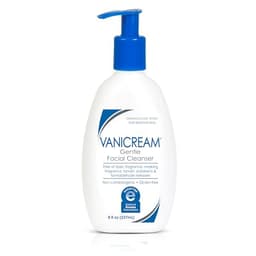
Step one, nightly
Vanicream Gentle Facial Cleanser, 8 fl oz
Retinol goes on clean, completely dry skin, and a stripping wash is the quiet cause of a lot of 'my retinol is too strong'. This one is sold as a pH-balanced, non-comedogenic face wash formulated without common irritants — a cleanser with no opinions, which is the correct kind on a retinoid night.
Price as of October 17, 2026. #ad How we’re funded
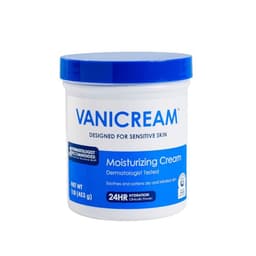
The sandwich layer
Vanicream Moisturizing Cream, 16 oz tub
The dull, no-actives cream the sandwich method asks for — the listing's own pitch is that it is formulated without common irritants, which is the whole specification here. The tub size is the point: buffering only works if you are generous with it.
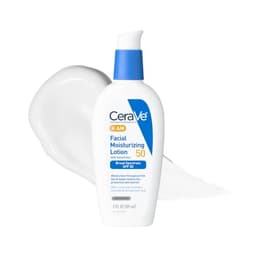
Morning SPF
CeraVe AM Facial Moisturizing Lotion SPF 50, 3 oz
The morning half of a retinol routine, in one step: the moisturizer and the SPF 50 are the same bottle, which is the version people actually keep using. Retinol treats photoaging — without daily sun protection it spends its effort offsetting damage you are still accumulating.
None of these are retinols — they are the supporting products this page already recommends, listed so you can act on the advice. Product images supplied by Amazon; prices are live and dated on each button.
What not to layer on a retinol night
Retinol is a solo act on the nights you use it. Two things in particular are worth keeping off the same night, at least while your skin is still adjusting:
- Strong exfoliating acids. Glycolic, lactic and salicylic acids are useful on their own, but stacking them on top of retinol the same night is a fast route to an overworked, stinging barrier. Give them their own nights instead of piling everything on at once.
- Benzoyl peroxide.If you use benzoyl peroxide for breakouts, keep it away from your retinol — use one in the morning and the other at night, or alternate nights. Layered together they tend to add irritation without adding benefit.
A gentle hydrating serum or a plain moisturizer is welcome company. Anything that’s itself an active exfoliant or a strong treatment is better given its own evening. Once your skin is well adjusted you have more room to experiment, but there’s no prize for rushing that.
What “retinization” actually feels like
The awkward first stretch has a name: retinization, the period while your skin gets used to a retinoid. In practice it feels like some combination of mild dryness, light flaking, a bit of redness, and a tight or slightly rough texture, usually worst in the first two to four weeks and easing as your skin adapts. It is annoying, not alarming, and it is not a sign the product is “too strong for you” by default — it’s the normal cost of admission that fades. The way through it is the boring stuff: less product, fewer nights, more moisturizer. What retinization should notfeel like is severe burning, swelling, blistering, or an angry rash. That is a different situation — stop and see a professional rather than pushing on.
When you’ll actually see results
Retinol works by nudging your skin to renew and rebuild over time, which is a slow process by nature. The American Academy of Dermatology is blunt that retinoids take patience: you should expect to use it consistently for weeks before texture and tone start shifting, and months — think a solid twelve weeks and beyond — before changes in fine lines are worth talking about. There is no version of retinol that rewards a two-week trial. The people who get results are simply the ones who kept going after the flaking stopped being interesting, which is exactly why the gentle, sustainable routine above beats a heroic one you abandon.
If you want the fuller picture of that timeline, the retinol for beginnersguide walks the first three months week by week. If you’re not sure which strength to start this routine with, the strength and percentage guide covers what the numbers mean, and the best retinol for beginners roundup points to gentle bottles that are forgiving to learn on. And if you start breaking out a little at first, the retinol purgeguide will tell you whether that’s normal or a reason to stop.
If what you want is the whole evening written out in order — cleanse, wait, apply, buffer, and where everything else you own fits around it — our retinol night routine guide lays out the full sequence step by step.
The routine in one breath
Clean, dry skin. A pea, at night. Two or three nights to start, built up slowly. Moisturizer on top. Sunscreen every morning. Nothing harsh layered on the same night, and no quitting at the first flake. That’s the entire method — do it consistently for a few months and let the results show up on their own schedule rather than yours.
General guidance, not medical advice. Retinol Room is written by an enthusiast, not a dermatologist. For a diagnosis, a reaction, or a prescription active like tretinoin, see a qualified professional. Introduce any new active slowly and patch-test first.
Frequently asked questions
How much retinol should I use on my face?
A pea-sized amount is enough for the entire face. That is not a figure of speech for beginners; a single pea genuinely spreads across the forehead, cheeks, nose and chin. Using more does not speed up results and it does raise the odds of dryness and flaking, so measure it out rather than eyeballing a bigger blob.
Should retinol go on before or after moisturizer?
The standard order is retinol first on clean, dry skin, then a plain moisturizer on top to seal it in. If your skin is on the sensitive side, you can flip to a sandwich instead: moisturizer, then retinol, then more moisturizer. The sandwich blunts the strength a little and makes the early weeks easier, at the cost of some speed.
Can I use retinol every night?
Eventually, maybe, but not at the start. Begin with two or three nights a week and build up only once your skin is comfortable with no persistent dryness or stinging. Plenty of people settle at three or four nights a week for good and never go nightly, because past a certain point extra frequency mostly buys extra irritation rather than better results.
Do I really need sunscreen with retinol?
Yes. Retinol renews the surface of the skin, which leaves it more sensitive to the sun, and unprotected sun exposure works directly against the smoother, more even skin you are using retinol to build. Wear a broad-spectrum sunscreen every morning, rain or shine. It is not an optional add-on; it is half of what makes retinol worth doing.
Why does my skin sting when I apply retinol?
Mild, brief stinging is common in the early weeks, especially if you apply to damp skin or use too much. Make sure your face is fully dry first, drop back to a pea-sized amount, and buffer with moisturizer. If the stinging is severe, lasting, or comes with real burning, swelling or a rash, that is not normal adjustment. Stop and check with a professional.
Sources
- American Academy of Dermatology — Retinoid or retinol? — AAD on the difference between prescription retinoids and OTC retinol (accessed July 17, 2026)
- U.S. FDA — Sunscreen: How to Help Protect Your Skin from the Sun — FDA on SPF numbers, broad-spectrum and application amount (accessed July 17, 2026)
- American Academy of Dermatology — How to decode a sunscreen label — AAD on SPF, broad spectrum and water resistance claims (accessed July 17, 2026)
Keep reading
How much retinol to use
The dose in detail — the published measure, what a bottle should last, and the areas where a pea is the wrong answer.
Read the guideRetinol mistakes to avoid
The ten errors that make people quit, most of them made in the first month.
Read the guideRetinol for beginners
A week-by-week map of the first three months so you know what's normal and what isn't.
Read the guideRetinol strength & percentage
What 0.2%, 0.5% and 1% actually mean, and which number to start on.
Read the guideBest retinol for beginners
Gentle starter picks that are easy to build tolerance on without a heavy peel.
See the picksThe retinol purge, explained
Breaking out a little more at the start? Here's how to tell a purge from a reaction.
Read the guideLayering retinol
What safely shares a routine with retinol, and the combinations that cause avoidable irritation.
Read the layering guideBlack Friday & Cyber Monday skincare deals
Buying your first bottle in Q4? What actually discounts in retinol, per product class, and when to buy.
Check the deals page