La Roche-Posay Pure Retinol B3 Serum Review
Pure retinol with the buffering built in — niacinamide and hyaluronic acid in the same bottle. The gentlest serious retinol we recommend, and the one that most annoys us by not printing its strength.
How this is funded: we earn a commission if you buy through our links, at no extra cost to you. It never changes which product we recommend, and we’ll tell you when we’d skip one. Full disclosure.
Pairs pure retinol with niacinamide and hyaluronic acid, so the buffering that reduces flaking is built into the formula rather than something you layer yourself. The gentlest 'serious' retinol here — for skin that dries out on plainer options.
Strengths
- Niacinamide + glycerin + hyaluronic acid buffer the retinol's dryness
- Fragrance-free, from a brand built around reactive skin
- Well-tolerated texture that layers cleanly under moisturizer
Trade-offs
- Does NOT publish the retinol percentage — you're trusting the brand
- Among the pricier options for an unstated strength
| Key active | Retinol |
|---|---|
| Stated concentration | Not published |
| Format | Silky lotion-serum |
| Fragrance-free | Yes |
| Best for | Sensitive skin that flakes on plain retinol |
Formulation note. Pure retinol + niacinamide (vitamin B3) + hyaluronic acid. The support actives are the selling point; the retinol strength itself is not disclosed, which we flag rather than guess.
Ingredients and claims read from the product listing, on July 18, 2026. “Not published” means the brand does not state that figure.
What it is
This is La Roche-Posay’s pure retinol serum, and the two words that matter most are “pure retinol”. A great deal of the anti-aging aisle is built on retinoid esters and proprietary “retinol complexes” that sound like retinol without being it. This is the real molecule — the one with the deepest published evidence base of anything you can buy without a prescription — paired with a support cast chosen to make it tolerable.
The support cast is the product’s entire argument. Alongside the retinol you get niacinamide (vitamin B3), hyaluronic acidand glycerin, in a fragrance-free base. In other words, the buffering that experienced users normally construct themselves — layering a niacinamide serum, moisturizing heavily, choosing fragrance-free everything — has been done for you inside one bottle.
Why the buffering matters
Most people who quit retinol quit because of the first six weeks, not because it failed. Dryness, flaking and tightness are the common early experience, and the standard advice for surviving them is to support the barrier while the active does its work. Niacinamide has published evidence for barrier support and for improving tone and texture on its own; humectants like hyaluronic acid and glycerin hold water in the upper layers of skin, directly countering the dryness. Building those into the formula is not a marketing flourish — it is the difference between a bottle you finish and a bottle you abandon.
The fragrance-free formulation is the other half of that. Added fragrance is a leading trigger for irritation and contact reactions, and it appears in a remarkable number of anti-aging products aimed at exactly the people least able to tolerate it. La Roche-Posay builds its whole brand around reactive skin, and here that positioning translates into a real spec rather than a claim.
The catch: an unpublished strength
Our spec table prints “Not published” for the concentration, and we want to be plain that this is the product’s significant weakness. On a premium serum from a brand that markets its scientific credibility, refusing to state the retinol percentage is a real omission. It means you cannot compare this like-for-like against a stated 0.3% or 0.5%, you cannot tell whether you are stepping up or down when you switch to it, and you are trusting brand reputation in place of a number.
We still recommend it, because the formulation quality and the buffering are demonstrable and the pure-retinol claim is meaningful. But if a stated figure is what you want — and it is a perfectly reasonable thing to want — then The Ordinary’s ladder or Paula’s Choice 1% print theirs, and our strength guide explains what those numbers actually mean.
Who it suits
This is our default recommendation for two groups. The first is anyone whose skin has already flaked, stung or peeled its way out of a cheaper retinol — the buffered formulation is the most likely of the ones we recommend to be tolerated. The second is people with mature or drier skin, where a thinner barrier makes irritation more likely and slower to settle; it heads our mature-skin roundup for that reason.
It also suits anyone who simply does not want to think about layering. Buying one well-formulated bottle instead of assembling a routine has real value if the alternative is not using retinol at all.
Who should skip it
Skip it if price per milliliter is your primary concern — there are cheaper ways to get retinol onto your face, and several of them are good. Skip it if you need a stated strength to feel in control of your routine. And skip it if your main concern is active acne or post-acne marks rather than lines and texture; the CeraVe resurfacing serum is aimed at that job specifically and costs far less. For breakouts, our retinol for acne page is the better starting point.
How to use it
Apply to clean, fully dry skin at night — damp skin increases penetration and irritation — using a pea-sized amount for the whole face. Start at two or three nights a week and increase only once that is comfortable. Moisturize on top; the formula buffers well but it is still a treatment serum, not a moisturizer. Keep it off the immediate eye area.
Daily broad-spectrum sunscreen is not optional with any retinoid. Retinol increases sun sensitivity, and sun exposure drives the photoaging you are treating. For the full ramp-up schedule and what not to layer it with, see our how to use retinol and layering guides.
The verdict
The best-formulated retinol serum we recommend for skin that struggles with retinol, and the one we reach for first when someone says a previous bottle made them peel. Pure retinol, real buffering, no fragrance, from a brand that has earned its reputation with reactive skin. Dock it a point for not printing the percentage — at this price that should be table stakes — and buy it anyway if tolerability is the problem you are solving.
General guidance, not medical advice. Retinol Room is written by an enthusiast, not a dermatologist. For a diagnosis, a reaction, or a prescription active like tretinoin, see a qualified professional. Introduce any new active slowly and patch-test first.
If it’s not the one, consider these
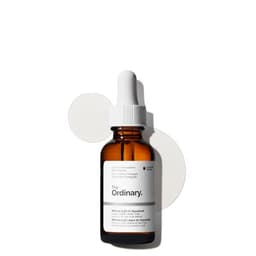
The Ordinary Retinol 0.5% in Squalane
A stated 0.5% at a fraction of the price, if you'd rather know the number and buffer it yourself.
$9.30 · View on AmazonRead the full reviewPrice as of September 25, 2026. #ad How we’re funded
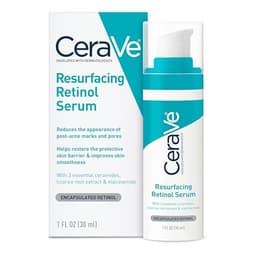
CeraVe Resurfacing Retinol Serum
Encapsulated retinol with ceramides for a similar gentleness at a much lower price, aimed at marks rather than lines.
Read the full review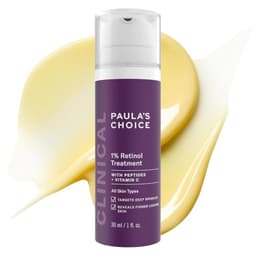
Paula's Choice CLINICAL 1% Retinol Treatment
A stated 1% if you've built tolerance and want a number you can actually compare.
Read the full review
Frequently asked questions
What percentage of retinol is in La Roche-Posay's pure retinol serum?
The brand doesn't publish it, so our spec table says 'Not published'. That is genuinely frustrating on a premium product from a brand that markets its formulation expertise — you're trusting the reputation rather than a figure you can compare. What the label does confirm is that the retinol is pure retinol, not a retinoid ester or a 'complex', which is a meaningful distinction in itself.
Is it good for sensitive skin?
It's one of the better options for skin that reacts, which is why it leads our sensitive-skin roundup. The formula is fragrance-free and pairs the retinol with niacinamide, glycerin and hyaluronic acid, so the buffering that reduces flaking is built in rather than something you layer yourself. That said, it is still pure retinol — introduce it two or three nights a week and build up.
What does the niacinamide actually do here?
Niacinamide (vitamin B3) supports the skin barrier and has published evidence for improving tone and texture in its own right. In a retinol formula its practical job is to make the retinol more tolerable — a stronger barrier flakes and stings less. It's the reason this serum feels gentler than a bare retinol at a similar strength would.
Is it worth the price over CeraVe or The Ordinary?
Only if the buffering matters to you. The Ordinary gives you a stated 0.5% for a fraction of the cost, and CeraVe gives you encapsulated retinol with ceramides cheaply. What you pay extra for here is a single well-formulated bottle that combines pure retinol with the support actives, fragrance-free, from a brand built around reactive skin. If your skin has flaked on cheaper options, that premium is doing something; if it hasn't, it may not be.
Can I use it around my eyes?
Not as a substitute for an eye-area product. This is dosed for facial skin, and the skin around the eyes is thinner and more reactive. Keep it to the orbital bone and outward, or use a retinol formulated for the eye area if crow's-feet and under-eye lines are your priority.
Sources
- American Academy of Dermatology — Retinoid or retinol? — AAD on the difference between prescription retinoids and OTC retinol (accessed July 17, 2026)
- Human Skin Aging and the Anti-Aging Properties of Retinol (PubMed) — Review of topical retinol's effect on collagen and photoaging (accessed July 17, 2026)
- Mechanistic Basis and Clinical Evidence for Nicotinamide (Niacinamide) in Skin (PMC) — Review of niacinamide's barrier, ceramide and pigmentation effects (accessed July 17, 2026)
- Niacinamide: A B vitamin that improves aging facial skin appearance (PubMed) — Bissett et al. — 5% niacinamide improves wrinkles, spots and texture (accessed July 17, 2026)
- Moisturizers — StatPearls (NCBI Bookshelf) — Reference on humectants (hyaluronic acid), occlusives and emollients (accessed July 17, 2026)
Keep reading
CeraVe vs La Roche-Posay retinol
The head-to-head most people are weighing when they land here — and the CeraVe formula that is closest to this one.
Compare the twoRetinol for melasma
Why melasma isn't a dark spot, and what a retinoid can honestly contribute.
Read the guideBest retinol serums
Where this sits against the stated-strength serums, ranked on strength, base and buffering.
See the picksBest retinol for sensitive skin
The buffered, fragrance-free picks for reactive skin — this one is the buffered-serum benchmark.
See the sensitive-skin picksRetinol vs niacinamide
Why the two are better together than apart — the logic this whole formula is built on.
Compare the twoBest retinol for mature skin
The anti-aging picks for a drier, thinner barrier, where this serum leads the list.
See the mature-skin picks