Paula's Choice CLINICAL 1% Retinol Treatment Review
A stated 1% retinol — genuinely high, and printed on the label where you can see it. The right upgrade for skin that already tolerates retinol nightly, and the wrong first bottle for everyone else.
How this is funded: we earn a commission if you buy through our links, at no extra cost to you. It never changes which product we recommend, and we’ll tell you when we’d skip one. Full disclosure.
A stated 1% retinol with peptides and vitamin C, for people who've already built tolerance and want to move up. The strength is on the label — which is the whole point of buying up from a starter, rather than a mystery 'complex'.
Strengths
- Publishes an exact 1% strength — genuinely high
- Peptides and licorice extract round out the anti-aging angle
- Air-restrictive tube keeps the retinol stable
Trade-offs
- 1% will over-strip skin that hasn't built tolerance — not a beginner product
- Premium price per milliliter
| Key active | Retinol |
|---|---|
| Stated concentration | 1% |
| Format | Lightweight lotion |
| Fragrance-free | Yes |
| Best for | Experienced users stepping up to a high strength |
Formulation note. 1% retinol + peptides + vitamin C + licorice root. High strength, stated plainly — pair with a slow ramp and a nightly moisturizer.
Ingredients and claims read from the product listing, on July 18, 2026. “Not published” means the brand does not state that figure.
What it is
This is a stated 1% pure retinol treatment— and the phrase to dwell on is “stated”. Most of the anti-aging aisle sells you a “retinol complex” or an “advanced retinoid blend” and declines to tell you how much of anything is in the bottle. Paula’s Choice prints the number. That transparency is the single biggest reason this product is on our list, and it is why we can talk about it as an upgrade rather than a lateral move.
One percent sits at the strong end of over-the-counter retinol. It is not a prescription retinoid and should not be confused with one, but it is meaningfully further up the ladder than the 0.2% and 0.3% starters that dominate the drugstore shelf. Buying it is a decision about where your skin already is, not about where you would like it to be.
What’s in it besides retinol
The formula is more than the headline active. Peptides and vitamin C extend the anti-aging angle, and licorice root extract is included for tone. The base is a lightweight lotion rather than an oil, which layers more cleanly under a moisturizer than a squalane-based serum does.
The packaging deserves a mention that sounds pedantic and is not. Retinol degrades with exposure to air and light, so an air-restrictive tube meaningfully protects the active across the months it takes you to finish the product. A high-strength retinol in a wide-mouth jar is a worse product on day sixty than on day one; this is not that.
Who it suits
Buy this if you already use a retinol nearly every night, your skin no longer reacts to it, and you have stopped seeing further change. That is the textbook case for stepping up, and a stated 1% is a clean way to do it because you know exactly how far you are moving. If you are coming from a stated 0.5%, this is a deliberate doubling; if you are coming from an unstated drugstore formula, you are stepping into the unknown from the unknown, which is worth being careful about.
It also suits people who want their retinol step to be their whole anti-aging step. The peptides and vitamin C mean you are not obviously missing something by keeping the routine short.
Who should skip it
Skip it if this would be your first retinol. Starting at 1% is the most reliable way to conclude that “retinol doesn’t work for me” when what actually happened is that you over-stripped your barrier in week two. Our beginner picks are the right place to start, and our purge guide explains how to read what your skin is telling you.
Skip it if your skin is reactive, or if you have rosacea or eczema in the picture — a high strength is the wrong tool and a buffered, gentler formula is the right one. And skip it on price grounds if the peptides do not interest you, because The Ordinary sells a stated 1% for a small fraction of this.
How to step up safely
Do not simply swap your current retinol for this one on a Monday. Drop back to two or three nights a week at the new strength, even though you were using your old product nightly, and rebuild from there over several weeks. Apply to fully dry skin, use a pea-sized amount, and moisturize generously on top — at 1% the buffering has to come from you, since the formula does not include the heavy niacinamide and ceramide payload that gentler options use.
Do not stack it. Exfoliating acids and strong vitamin C serums in the same evening routine are the fastest route to a compromised barrier at this strength; see our layering guide for what actually combines. And keep the sunscreen non-negotiable every morning.
If 1% still isn’t enough
There is a ceiling to over-the-counter retinol, and this product is close to it. If you are tolerating a stated 1% comfortably and still want more, the next step is not a stronger cosmetic — it is a conversation with a dermatologist about prescription tretinoin, which is a different and better-evidenced molecule rather than simply a bigger number. Our retinol vs tretinoin comparison sets out what changes when you cross that line.
The verdict
The most honest high-strength retinol we recommend: a real 1%, printed on the label, in packaging that protects it, with a supporting formula that earns some of its premium. It is emphatically not a beginner product, and the price is hard to defend next to a stated 1% that costs a tenth as much. But if you have built tolerance, want to step up deliberately, and would rather do it with a number than a marketing phrase, this is the one to buy.
General guidance, not medical advice. Retinol Room is written by an enthusiast, not a dermatologist. For a diagnosis, a reaction, or a prescription active like tretinoin, see a qualified professional. Introduce any new active slowly and patch-test first.
If it’s not the one, consider these
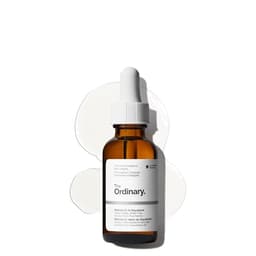
The Ordinary Retinol 1% in Squalane
The same stated 1% for a fraction of the price, if you don't need the peptides and can buffer it yourself.
$9.90 · View on AmazonPrice as of September 25, 2026. #ad How we’re funded
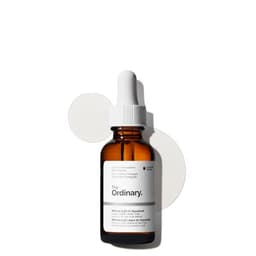
The Ordinary Retinol 0.5% in Squalane
The rung below — a stated 0.5% — if 1% is a step too far right now.
$9.30 · View on AmazonRead the full reviewPrice as of September 25, 2026. #ad How we’re funded
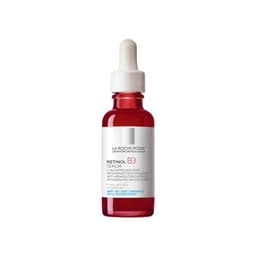
La Roche-Posay Pure Retinol Face Serum (B3 + HA)
A gentler, better-buffered serum if your skin isn't ready for a high strength.
Read the full review
Frequently asked questions
Is 1% retinol too strong to start with?
For a first retinol, yes — we'd steer you away from it. One percent is at the high end of what's sold over the counter, and skin that hasn't built tolerance typically responds with dryness, flaking and stinging rather than faster results. Start at a stated 0.2% or 0.3%, get comfortable with near-nightly use, then consider stepping up. Our beginner picks cover the right first bottle.
How is this different from The Ordinary's 1%?
Both state 1% pure retinol, which is the important part. The difference is the rest of the formula and the price: Paula's Choice adds peptides, vitamin C and licorice extract in a lotion base with air-restrictive packaging, while The Ordinary gives you retinol in squalane and very little else for a fraction of the cost. If you want a fuller anti-aging formula in one step, this justifies its price; if you want the active at the lowest possible cost, The Ordinary does.
What does the packaging have to do with anything?
Retinol degrades on exposure to air and light, so packaging is a genuine formulation concern rather than a design one. An air-restrictive tube protects the active over the life of the product better than a wide-mouth jar does. It's one of the reasons we're comfortable recommending a high-strength retinol from this brand — the delivery has been thought about, not just the percentage.
Will a higher percentage work faster?
Not reliably, and that's the most common misconception about retinol strength. Higher concentrations tend to produce more irritation, and irritated skin is skin that uses the product less often — which slows results rather than speeding them. Consistency at a strength you tolerate beats intermittent use of a stronger one. Step up because you've plateaued at a lower strength, not because you're impatient.
Can I use it with vitamin C or exfoliating acids?
Not in the same routine, as a rule. Stacking a high-strength retinol with acids or a strong vitamin C is the classic way to wreck a barrier. Use the retinol at night and, if you want vitamin C, put it in the morning routine instead. Our layering guide covers what combines safely and what doesn't.
Sources
- American Academy of Dermatology — Retinoid or retinol? — AAD on the difference between prescription retinoids and OTC retinol (accessed July 17, 2026)
- Human Skin Aging and the Anti-Aging Properties of Retinol (PubMed) — Review of topical retinol's effect on collagen and photoaging (accessed July 17, 2026)
- The use of retinoids in the treatment of photoaging (PubMed) — Clinical-trial evidence for topical retinoids in photoaging (accessed July 17, 2026)
- Vitamin C in dermatology (PMC) — Telang — review of topical vitamin C forms, stability and photoprotection (accessed July 17, 2026)
Keep reading
Best retinal (retinaldehyde) serums
One conversion step closer to retinoic acid — the stated-strength retinals worth buying.
See the picksBest high-strength retinol
The stated 0.5% and 1% picks worth stepping up to, and how to know you're ready.
See the high-strength picksRetinol strength & percentage guide
What 0.2%, 0.5% and 1% actually mean, and why a stated number beats a 'complex'.
Decode the percentagesRetinol vs tretinoin
If 1% still isn't enough, this is the honest conversation about prescription strength.
Compare the twoBest retinol serums
Where a stated 1% sits in the wider serum field, ranked on strength and base.
See the picks