The Ordinary Retinal 0.2% Emulsion Review
A stated 0.2% retinaldehyde for the price of a sandwich, in a category where the going rate is five to ten times that. It is a serious product at a trivial price — and emphatically not the place to start.
How this is funded: we earn a commission if you buy through our links, at no extra cost to you. It never changes which product we recommend, and we’ll tell you when we’d skip one. Full disclosure.
The cheapest way into retinaldehyde by a wide margin, and it states its strength — a labeled 0.2% retinal in a light emulsion. Retinal is a genuinely strong rung, so the low price should not be read as a low commitment.
Strengths
- States an exact 0.2% retinal, which most retinal products do not
- Dramatically cheaper than every other retinal on this page
- Light emulsion base layers easily under a moisturizer
Trade-offs
- 0.2% retinal is a high rung, not a starter — it is not where a beginner should begin
- Small 0.5 fl oz bottle, so it does not last as long as the price suggests
| Key active | Retinaldehyde (retinal) |
|---|---|
| Stated concentration | 0.2% |
| Format | Light emulsion |
| Fragrance-free | Not published |
| Best for | Retinol-experienced skin moving up to retinal on a budget |
Formulation note. Retinaldehyde sits one conversion step from retinoic acid, where retinol sits two. That is why a 0.2% retinal is not comparable to a 0.2% retinol — the numbers look similar and the potency is not.
Ingredients and claims read from the product listing, on August 11, 2026. “Not published” means the brand does not state that figure.
What it is
A stated 0.2% retinaldehyde in a light emulsion, in a 0.5 fl oz bottle, at a price that undercuts the rest of the retinal category by a wide margin. Retinal is one enzymatic conversion from retinoic acid where retinol is two, which makes it substantially more potent at the same number, and it is usually sold as a premium tier by pharmacy and prestige brands. This is the exception.
It also does the thing this site cares about most: it prints the number on the label. In a category where “advanced retinoid complex” is a common alternative to a specification, a stated 0.2% at this price is a genuinely useful product to have on the shelf.
The number is the whole story — in both directions
The stated strength is why we rank it top on our retinal roundup. It is also the thing most likely to mislead you, because 0.2% reads as gentle if you have been shopping for retinol.
It is not gentle. The retinal scale runs roughly from 0.05% at the bottom to 0.2% at the top of what is commonly sold, which puts this product at the ceiling of the category rather than the floor. Someone comfortable on a stated 0.5% retinol nightly is looking at a step up here, not a lateral move, and should restart their ramp-up accordingly. Our retinol vs retinal page explains the conversion chain that makes the scales incomparable.
There is some reassurance in the tolerance literature — work comparing retinol, retinaldehyde and retinoic acid under maximized conditions found retinol and retinaldehyde to share a low irritation potential relative to retinoic acid. That is genuinely useful context, and “better tolerated than tretinoin” still leaves a great deal of room for a fortnight of flaking if you jump straight to the top rung.
The base, and what you are not getting
A light emulsion that absorbs quickly and layers cleanly. It is a more comfortable texture than The Ordinary’s squalane-based retinols, which some people find heavy under other products.
What it does not have is a supporting cast. There is no meaningful niacinamide payload, no ceramide complex, no soothing actives doing buffering work. That is The Ordinary’s model — the active, honestly labeled, at close to cost — and it means the cushioning has to come from your moisturizer. On a potent retinoid, that matters more than it would on a beginner strength. The sandwich method is the right default here for the first month.
The bottle is 0.5 fl oz, half the size of a typical face serum, which makes the low price slightly less remarkable than it looks. On the other hand, retinal degrades faster than retinol once opened, so a small bottle you actually finish is arguably the better format.
Who it suits
It suits people with real retinoid experience who want to move up without paying pharmacy prices. If you have spent six months or more comfortable on a stated retinol, have stopped seeing further change, and want the next rung, this is the cheapest legitimate way to get there.
It suits people who want a stated number more than they want a formulated experience — the same audience that buys the rest of The Ordinary’s range and adds their own moisturizer. And it suits anyone who wants to find out whether retinal suits them before committing to a fifty-dollar bottle, provided they are honest about starting slowly.
Who should skip it
Skip it if you are new to retinoids. This is the clearest “wrong first bottle” on the site — our beginner picks are where to start instead. Skip it if your skin is reactive or your barrier is currently struggling: a bare potent active with no buffering is the wrong tool, and the sensitive-skin shelf exists for that.
Skip it if you want to climb a ladder deliberately — The Ordinary sells this as a single rung rather than a range, so there is nowhere to go beneath it within the same line. A brand with a graded retinal range, like the numbered ladder covered in our Medik8 review, gives you somewhere to start and somewhere to progress.
How to use it
At night, on clean and completely dry skin, a pea-sized amount for the whole face. Start at two nights a week regardless of your retinol history, and hold there for a month before adding a night. Sandwich it with a plain moisturizer for at least the first fortnight. Avoid the immediate eye area.
Nothing else active in the same routine while you build tolerance — no acids, no strong vitamin C, per the layering guide. Store it closed and out of light, and replace it if it darkens noticeably. Sunscreen every morning, without exception; photosensitivity rises with potency and this is a potent product.
The verdict
The best value in a category that is normally expensive, and one of the few retinals that will tell you what is in it. If you have earned the step up, this is a genuinely excellent way to take it, and the price makes the experiment nearly free.
The warning is worth repeating because the price invites impulse: 0.2% retinal is a high-strength product wearing a low-strength number. Buy it as the fourth or fifth retinoid of your life, not the first.
General guidance, not medical advice. Retinol Room is written by an enthusiast, not a dermatologist. For a diagnosis, a reaction, or a prescription active like tretinoin, see a qualified professional. Introduce any new active slowly and patch-test first.
If it’s not the one, consider these
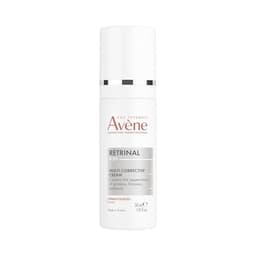
Avene Retrinal 0.05% Anti-Aging Retinaldehyde Cream
A stated 0.05% retinal in a cushioning cream — the rung you should actually start on if retinal is new to you.
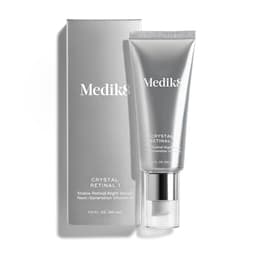
Medik8 Crystal Retinal 1 Night Serum
The structured ladder alternative, if you want a range designed to be climbed rather than a single high rung.
$56.00 · View on AmazonRead the full reviewPrice as of September 25, 2026. #ad How we’re funded
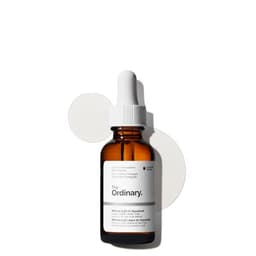
The Ordinary Retinol 0.5% in Squalane
The same brand's stated 0.5% retinol — a gentler molecule at a comparable price, if retinal is a step too far.
$9.30 · View on AmazonRead the full reviewPrice as of September 25, 2026. #ad How we’re funded
Frequently asked questions
Is The Ordinary Retinal 0.2% strong?
Yes — genuinely. Retinal sits one enzymatic conversion from retinoic acid where retinol sits two, so a 0.2% retinal is a high rung rather than a low one. The small number is misleading if you're reading it on the retinol scale. Treat this as an advanced product despite the price.
Can I use it if I'm new to retinoids?
No, and this is the main warning on the page. If you've never used a retinoid, start with a stated 0.2% retinol, spend several months building tolerance, and consider retinal after that. Starting here is the fastest route to a fortnight of flaking and an abandoned bottle.
How does it compare to The Ordinary's retinol range?
Different molecule, different scale. The retinol range runs 0.2% / 0.5% / 1% and needs two conversions in the skin; this needs one, which makes it more potent at a much smaller number. Someone comfortable at 0.5% retinol should treat this as a step up, not a lateral move — and should restart at two nights a week.
Why is it so much cheaper than other retinals?
Because The Ordinary's whole model is selling single actives at close to cost with minimal formulation around them, and retinal is normally sold as a premium tier. You get the stated strength and a light emulsion base; you don't get the elaborate supporting formula, the airless packaging or the brand experience that the pharmacy and prestige options charge for.
How long does the bottle last?
It's a 0.5 fl oz bottle — half the size of a typical face serum — so at a pea-sized dose two or three nights a week it's a couple of months rather than the six the price implies. That's arguably sensible for retinal, which degrades faster than retinol once opened; a smaller bottle you finish beats a large one that oxidizes.
Does it cause purging?
It can, and more readily than a low-strength retinol, because faster turnover brings existing congestion up sooner. Expect an adjustment period of dryness and possibly some breakouts over the first weeks. Start at two nights a week and buffer generously — our purge guide covers how to tell an adjustment from real irritation.
Sources
- Tolerance profile of retinol, retinaldehyde and retinoic acid under maximized and long-term clinical conditions (PubMed) — Retinol and retinaldehyde share a low irritation potential; retinoic acid (tretinoin) is more irritating (accessed July 17, 2026)
- American Academy of Dermatology — Retinoid or retinol? — AAD on the difference between prescription retinoids and OTC retinol (accessed July 17, 2026)
- Human Skin Aging and the Anti-Aging Properties of Retinol (PubMed) — Review of topical retinol's effect on collagen and photoaging (accessed July 17, 2026)
- Cosmeceuticals in photoaging: A review (PMC) — Comparative review of retinoids, peptides, antioxidants and growth factors for photoaged skin (accessed August 11, 2026)
Keep reading
Best retinal serums
The whole retinaldehyde field, compared on stated strength, base and price.
See the picksRetinol vs retinal
Why one conversion step makes such a difference, and who each molecule suits.
Compare the twoThe Ordinary Retinol, reviewed
The 0.2% / 0.5% / 1% retinol ladder from the same brand, and which rung to buy.
Read the reviewRetinol strength & percentage guide
Why a 0.2% retinal and a 0.2% retinol are not the same unit.
Decode the percentages